















































































































































































































































































































































































Tinubu Seeks Reps’ Approval For ₦10.8trn External Borrowing

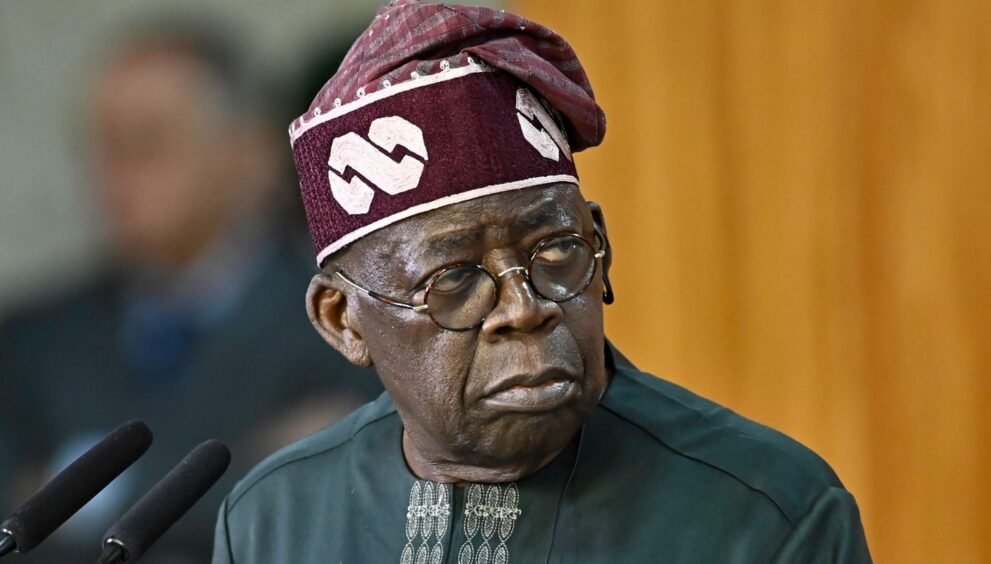
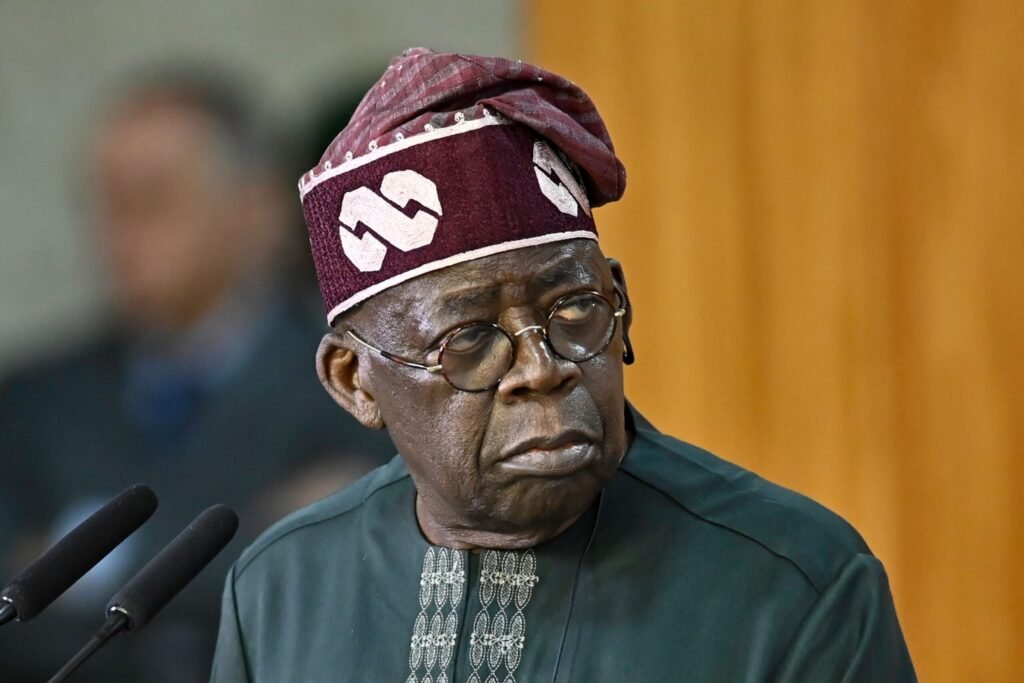
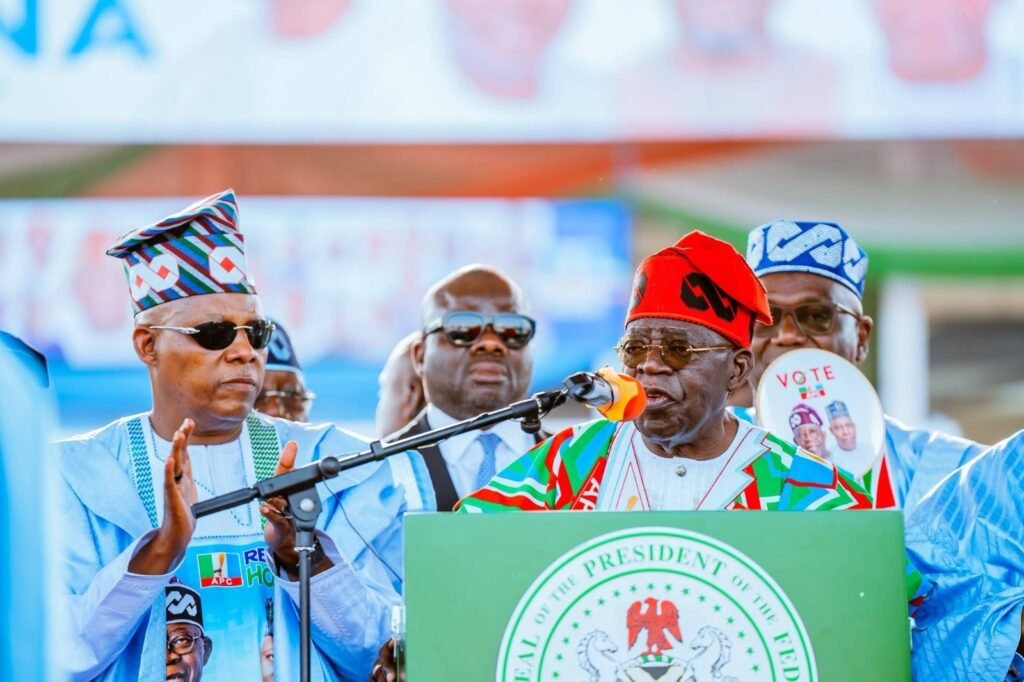
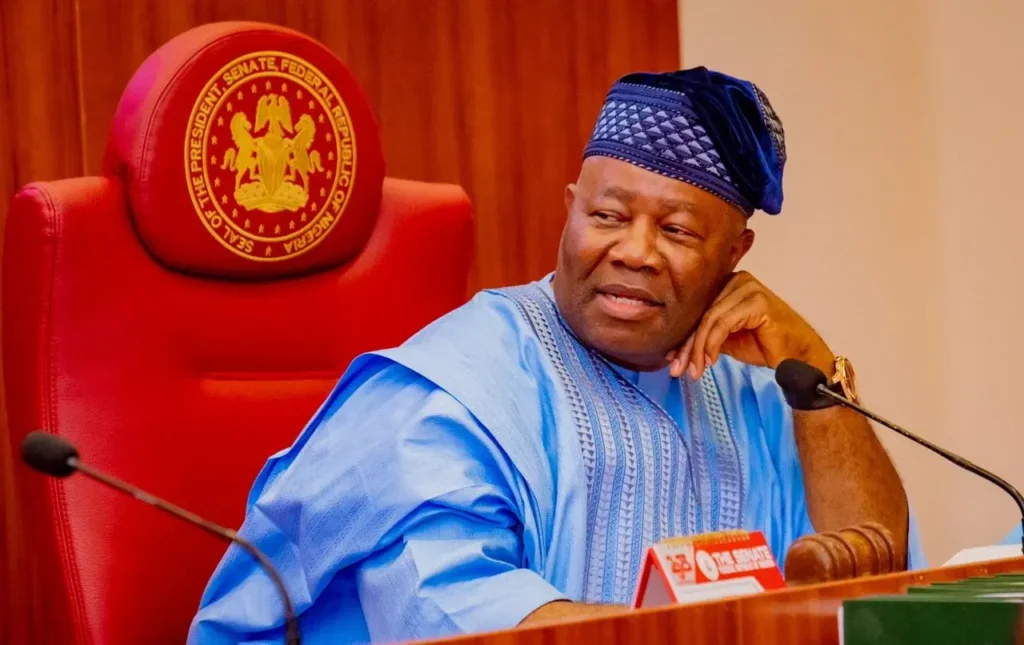
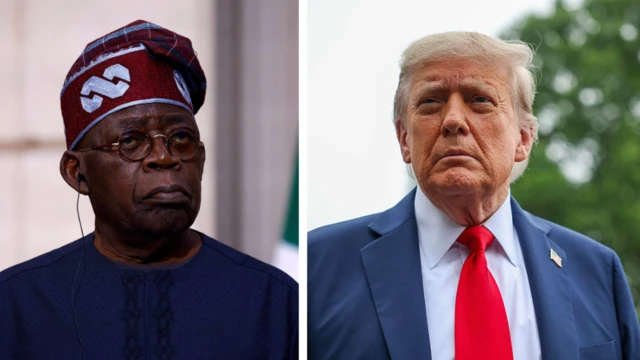
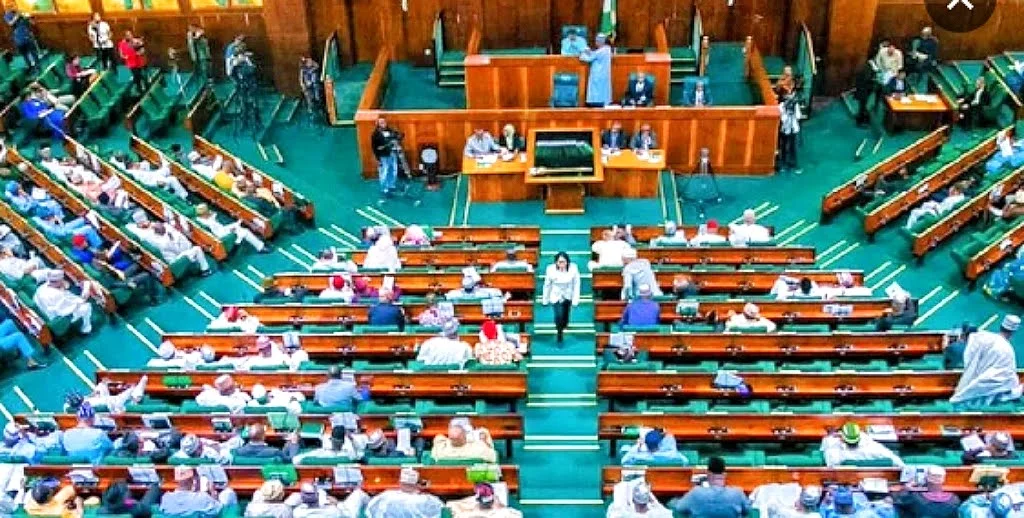
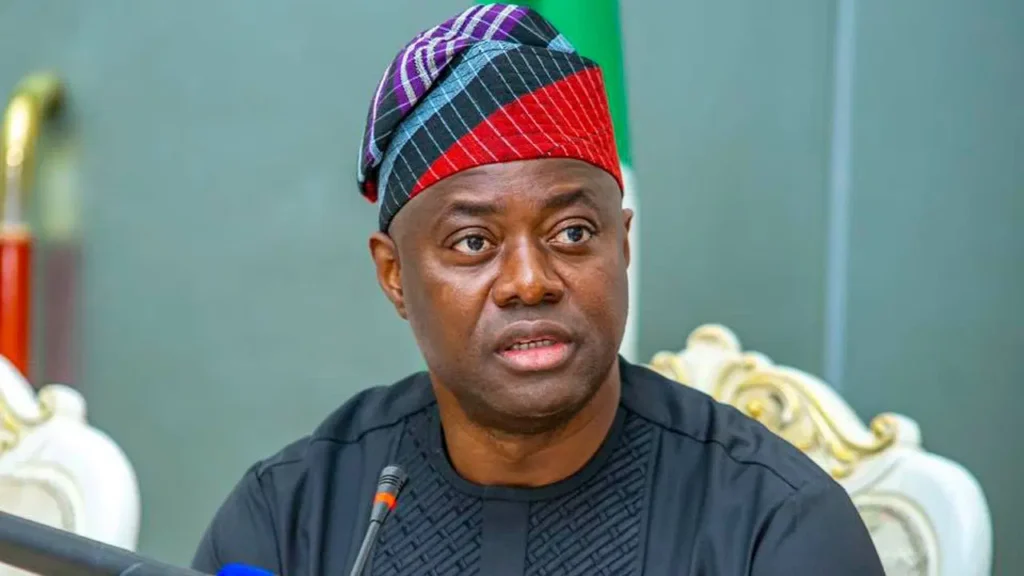
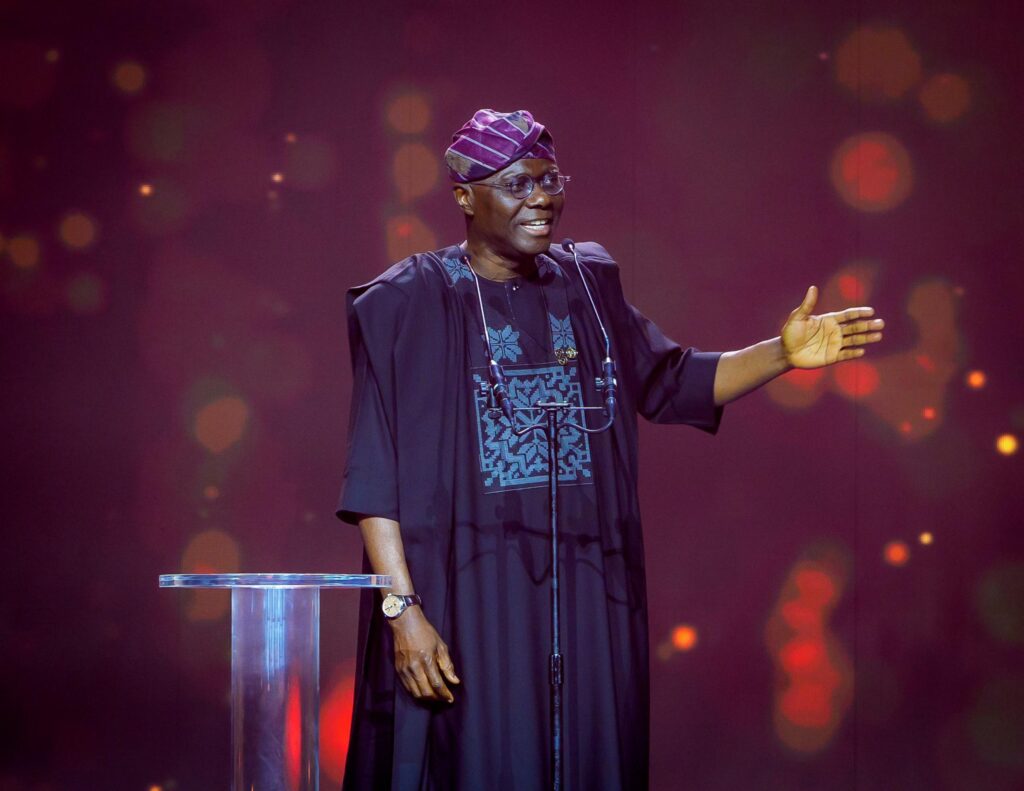
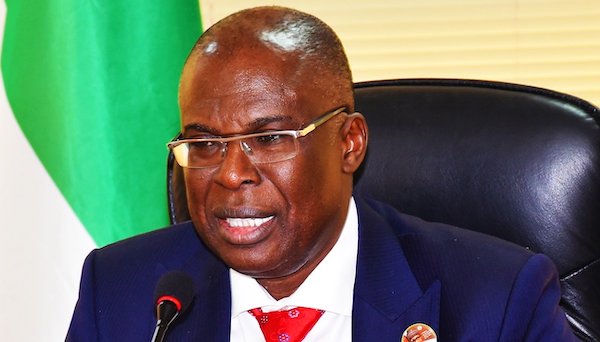
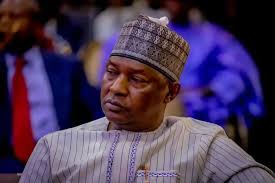
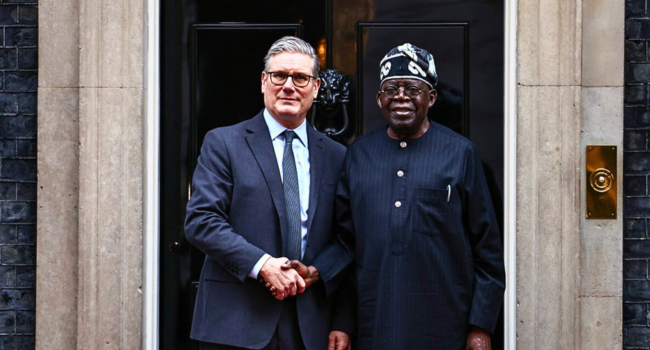
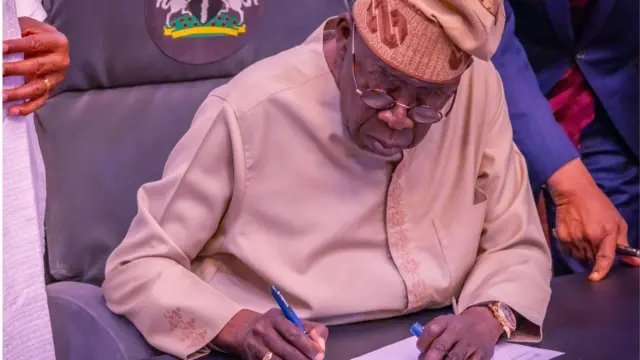
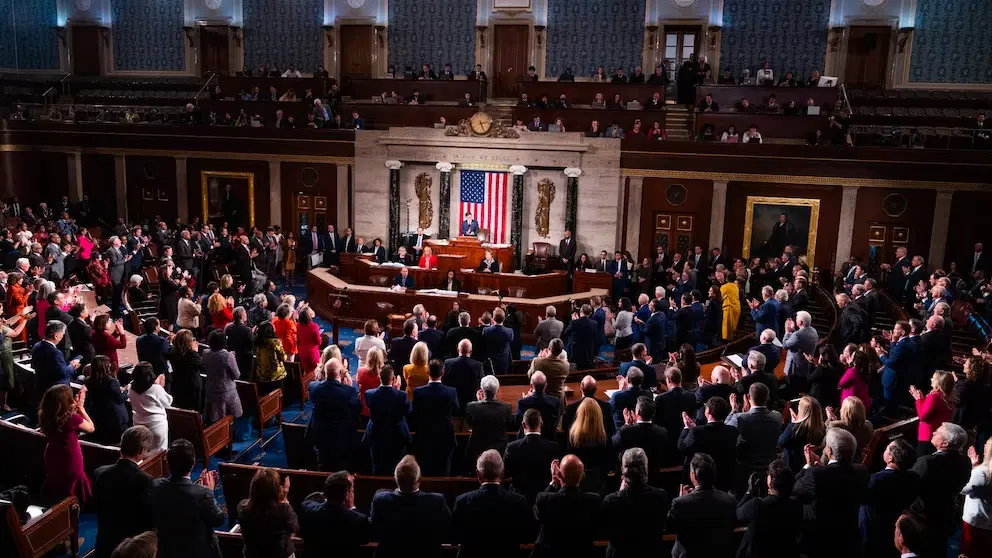
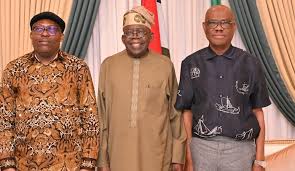
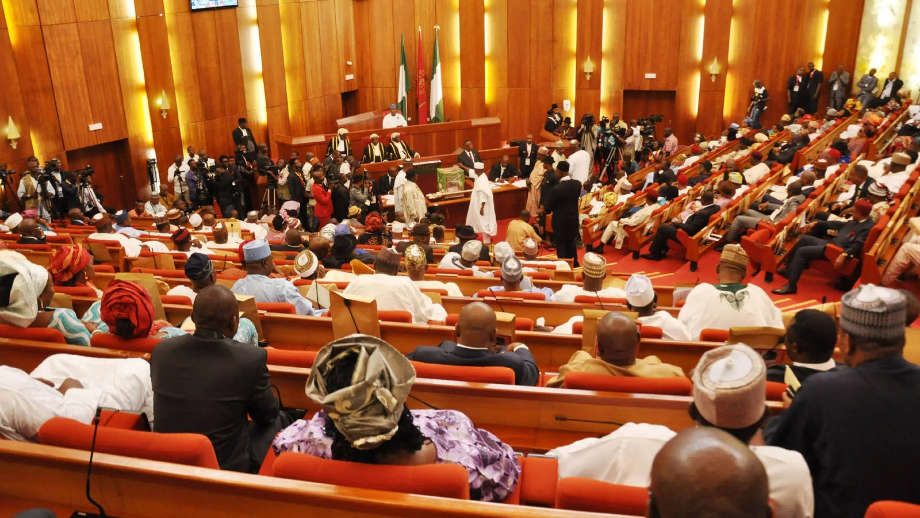
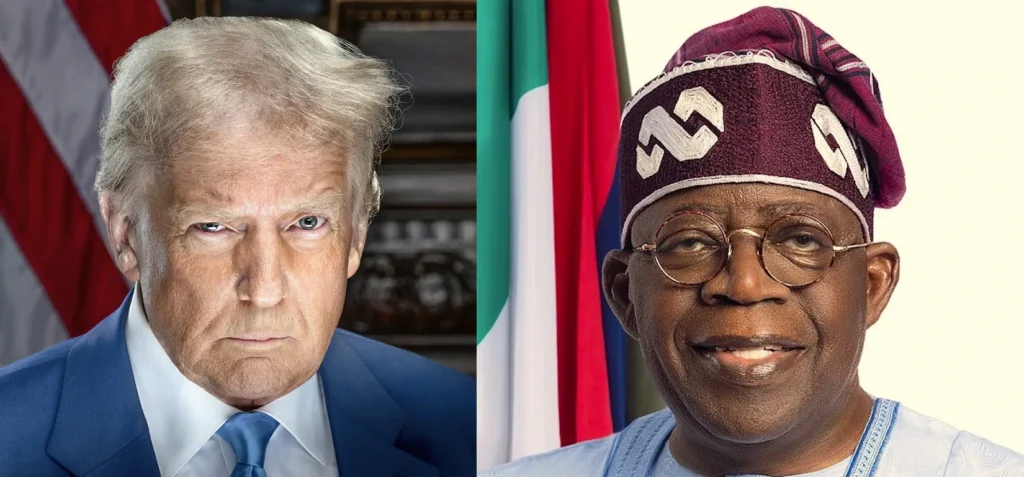
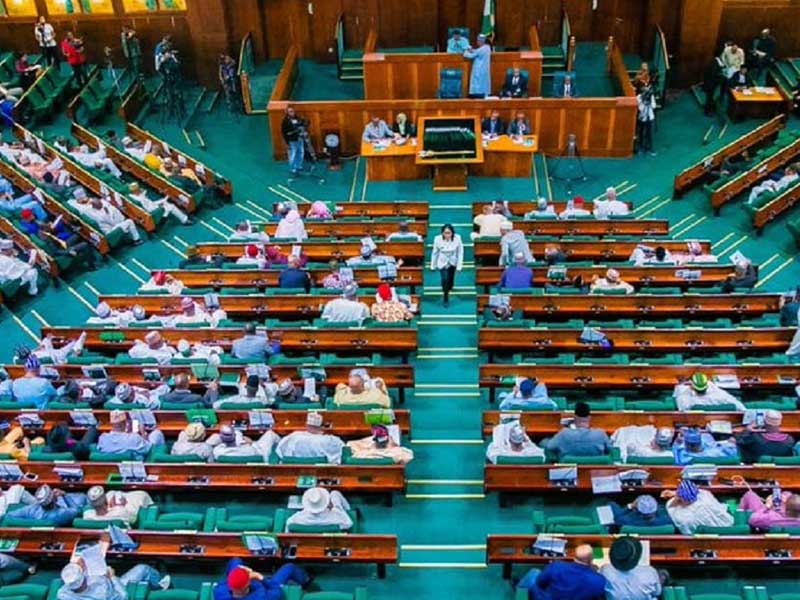
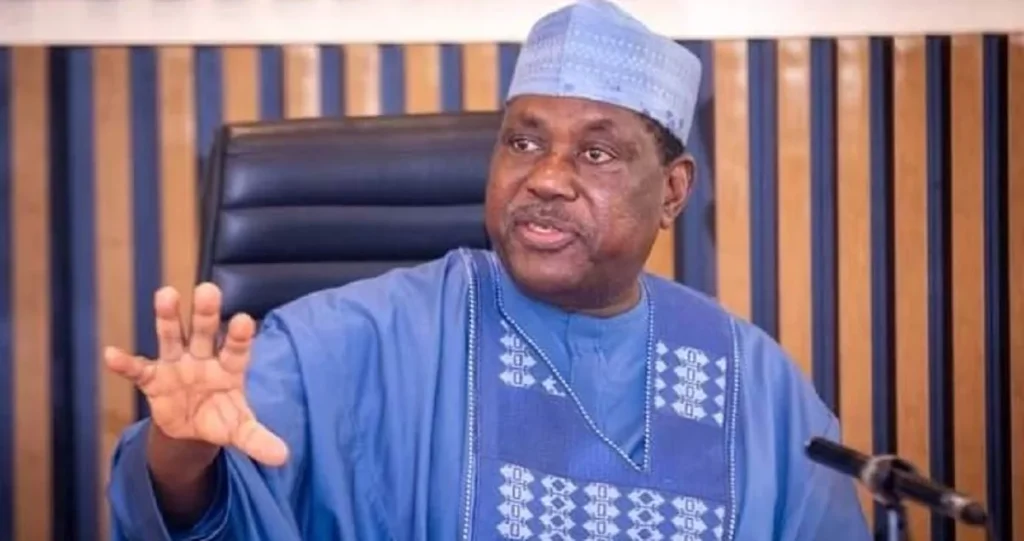
President Bola Tinubu has written to the House of Representatives, seeking approval for the implementation of new external borrowing provisions in the 2026 Appropriations Act, valued at approximately ₦10.8 trillion.
The President said the proposed borrowing would finance projects captured in the 2026 Appropriations Act and consolidate the macroeconomic gains recorded by his administration.
Tinubu has recently faced criticism over his administration’s increasing reliance on external borrowing, with opponents warning that the growing debt burden could worsen the country’s economic difficulties rather than provide a lasting solution.
However, the President has defended the government’s borrowing strategy, arguing that Nigeria needs sustained, long-term investment in infrastructure to achieve its ambition of becoming a $1 trillion economy by 2030.
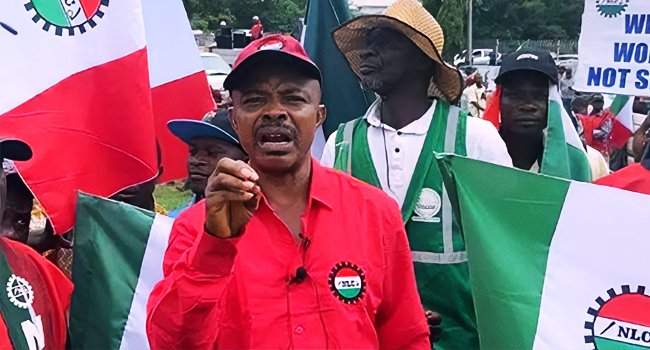
His defence comes amid objections from the Nigeria Labour Congress (NLC), which has questioned the government’s request to the National Assembly for approval to borrow $20.5 billion and €1.45 billion, despite claims that government revenue has increased following the removal of the petrol subsidy.
In a statement titled From Reforms to Delivery: Our Infrastructure Investment and Growth Strategy, Tinubu argued that public debate should focus less on the amount borrowed and more on the projects financed, the value created and their long-term economic benefits.
“The key question is not how much we borrow, but what we build, the value we create and the future we leave behind,” he said.
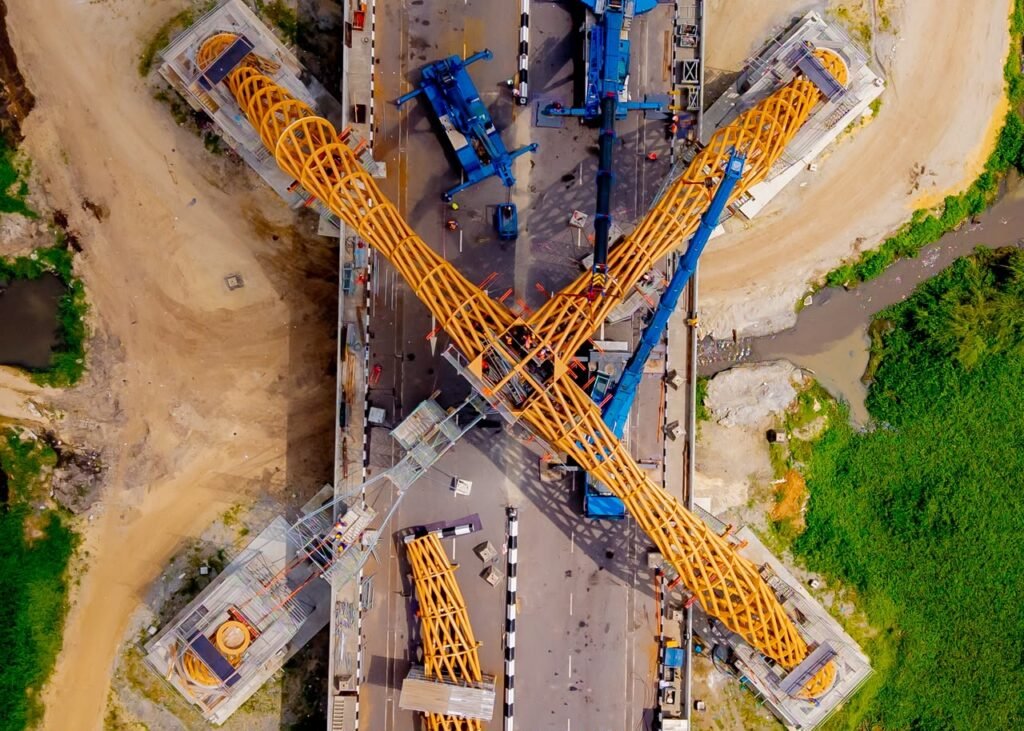
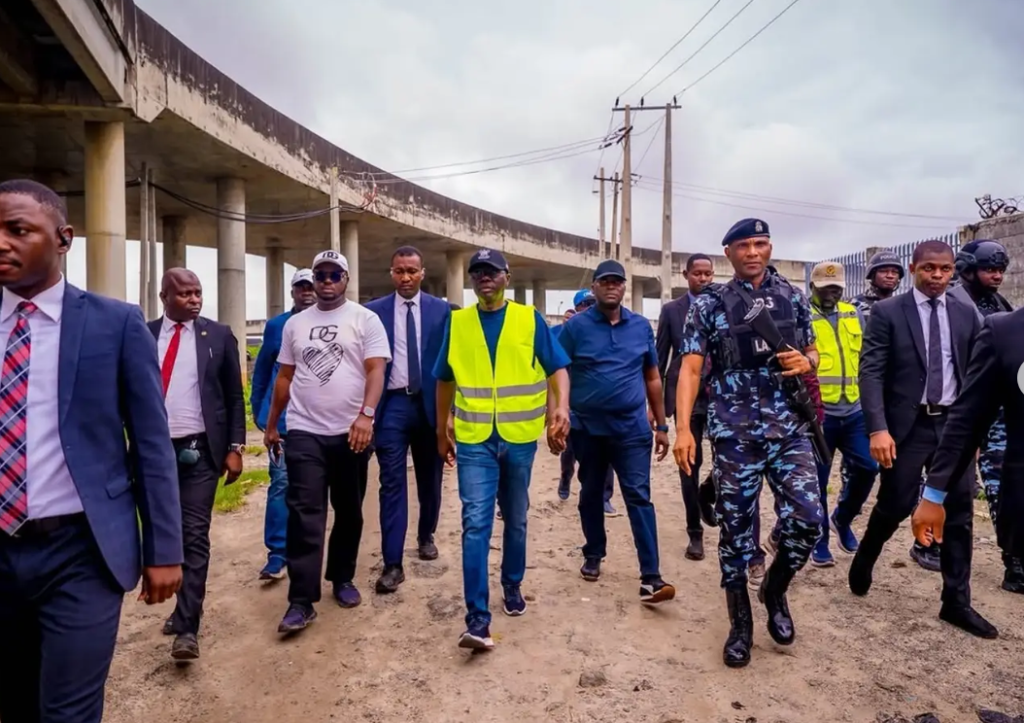
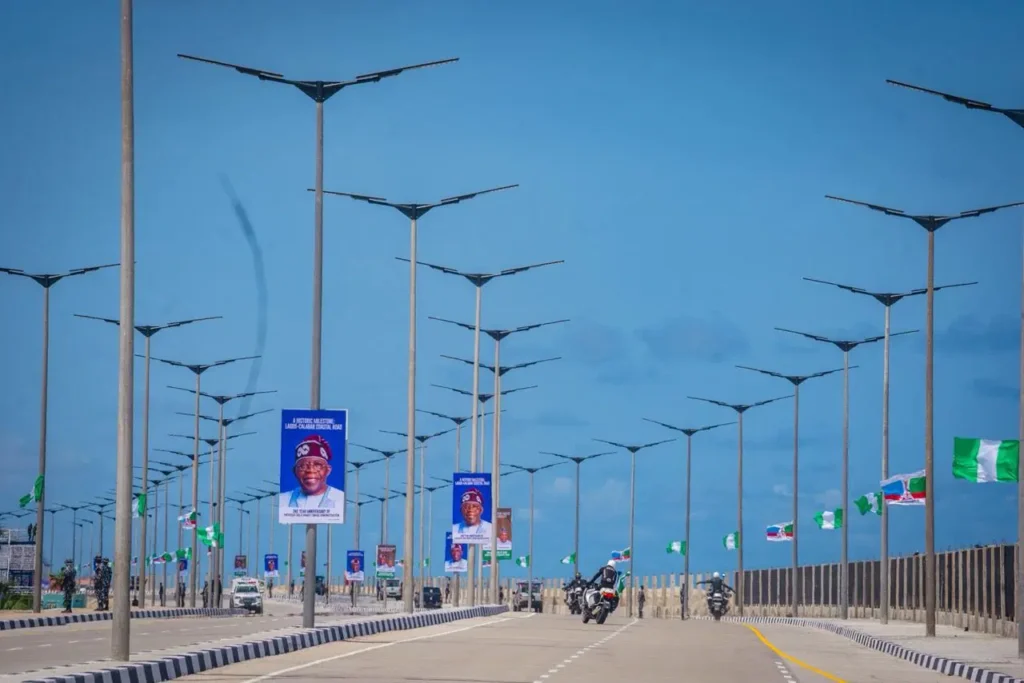
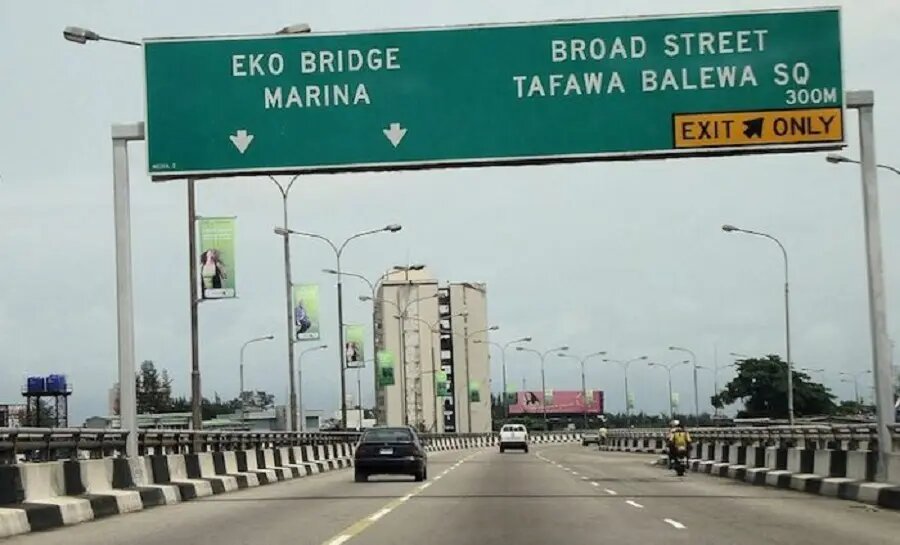
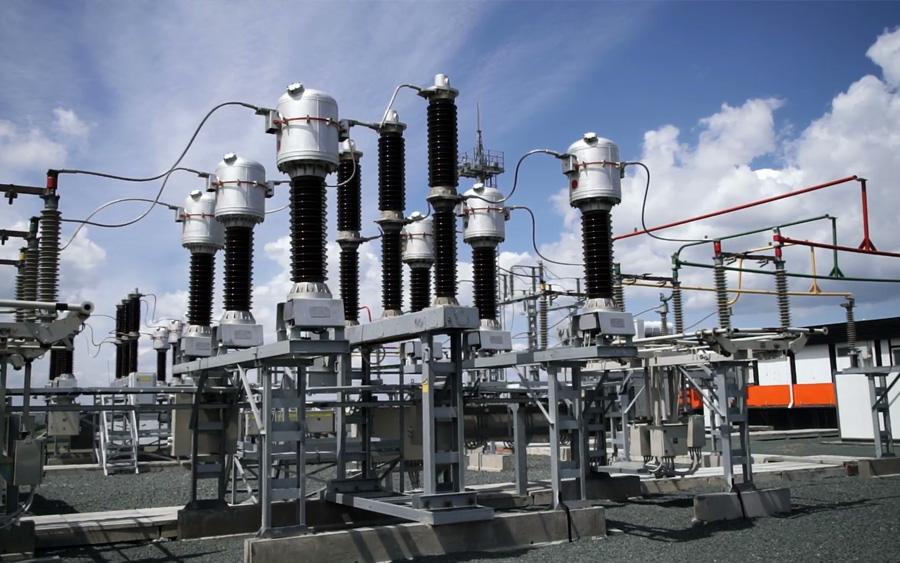
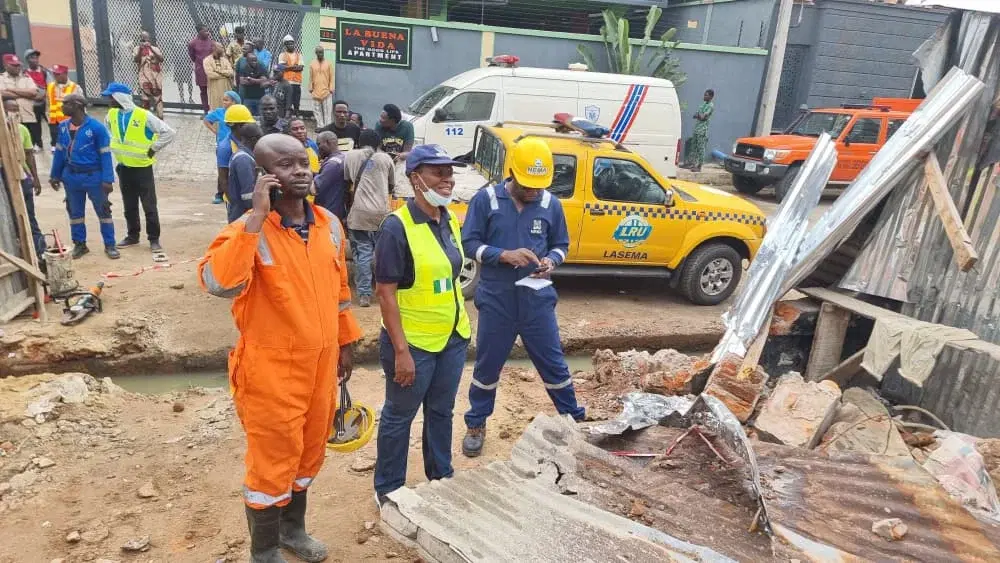
The President listed the Lagos-Calabar Coastal Highway, Sokoto-Badagry Superhighway, Trans-Sahara Superhighway, electricity grid improvements and upgrades to major commercial ports in Lagos among the projects the government intends to finance.
He said the projects, alongside investments in healthcare, education and vocational training, would connect economic regions, lower the cost of transporting goods, support agriculture and industry, and attract private investment.
According to him, the Lagos-Calabar Coastal Highway alone could reduce transport costs along its route by between 15 and 20 per cent and contribute up to two per cent to Nigeria’s Gross Domestic Product (GDP) through increased trade, tourism and industrial activities.
He projected that the highway would generate about 100,000 direct jobs in construction and engineering, alongside more than 150,000 indirect jobs in logistics, building materials and related services.
“We are building more than highways. We are opening economic corridors, connecting markets, supporting industries and reshaping Nigeria’s economic geography,” he said.
Tinubu maintained that Nigeria would require significantly improved infrastructure to achieve its target of becoming a $1 trillion economy by 2030.
“We cannot build a $1 trillion economy with infrastructure designed for an economy a fraction of that size,” he added.
The President also highlighted improvements in some economic indicators since his administration introduced major reforms in May 2023.
He cited the removal of the petrol subsidy, the unification of exchange rates, tax reforms and efforts to contain inflation as measures that had helped improve economic conditions and government finances.
According to him, Nigeria’s economy grew by 4.43 per cent in the second quarter of 2026, while headline inflation fell to 14.63 per cent in September from 20.98 per cent in the corresponding period of the previous year.
He said the country’s gross external reserves stood at $55.1 billion as of October 9, 2026, including approximately $46 billion in net reserves.
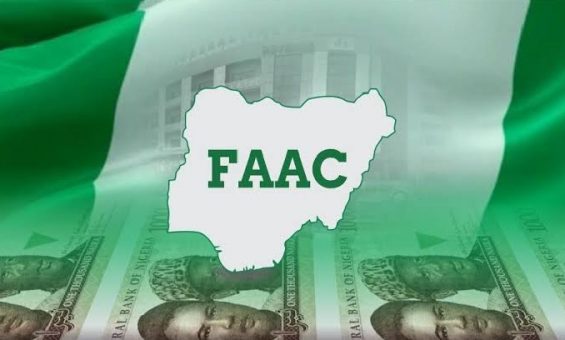
Tinubu also disclosed that Nigeria’s tax-to-GDP ratio had increased to 12.5 per cent from seven per cent, while net allocations from the Federation Account Allocation Committee (FAAC) rose by 44 per cent, from ₦15.2 trillion in 2024 to ₦21.9 trillion in 2025.
He said these improvements had enhanced Nigeria’s attractiveness to foreign investors and enabled the country to secure loans on more favourable terms.
The President cited positive assessments by international credit rating agencies, Nigeria’s return to Frontier Market status and its successful Eurobond issuance as evidence of growing investor confidence.
“These are not political endorsements; they are independent assessments by global rating agencies, index providers, regulators and investors, recognising stronger external reserves, improved macroeconomic management and greater financial credibility,” he said.
He added that the government was pursuing longer-term loans with repayment schedules aligned with the useful lives of the projects they financed.
According to him, this approach would ease the pressure associated with frequent loan repayments and enable Nigeria to negotiate more favourable borrowing terms.
However, Tinubu acknowledged the need for fiscal discipline, disclosing that public debt stood at 35.75 per cent of GDP in the second quarter of 2026, while debt servicing accounted for approximately 65 per cent of government revenue in the first half of the year.
He said the Federal Executive Council’s economic plan included avoiding the printing of money to finance budget deficits and preventing the accumulation of spending commitments that were not backed by available funds during the pre-election period.