
































































































































































































































































































































































































































































































































































































































Ebola: Senate Moves to Close Nigeria’s Border Surveillance Gaps

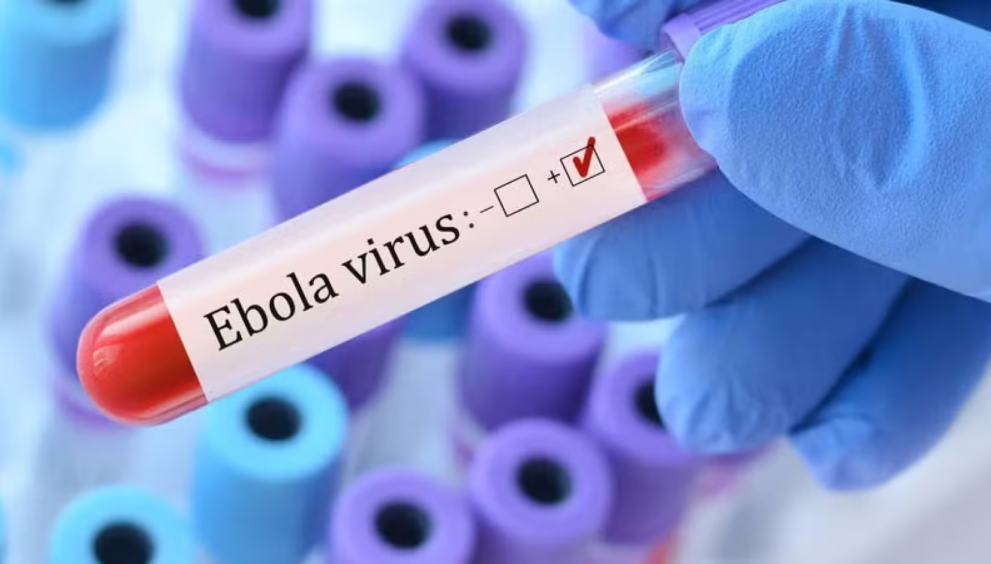
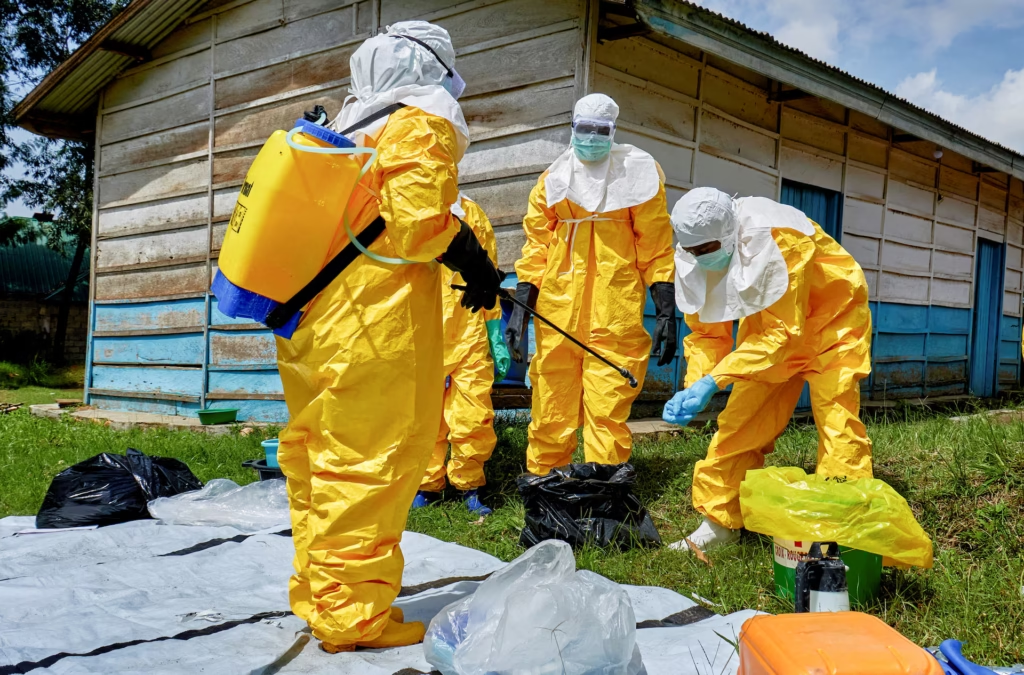
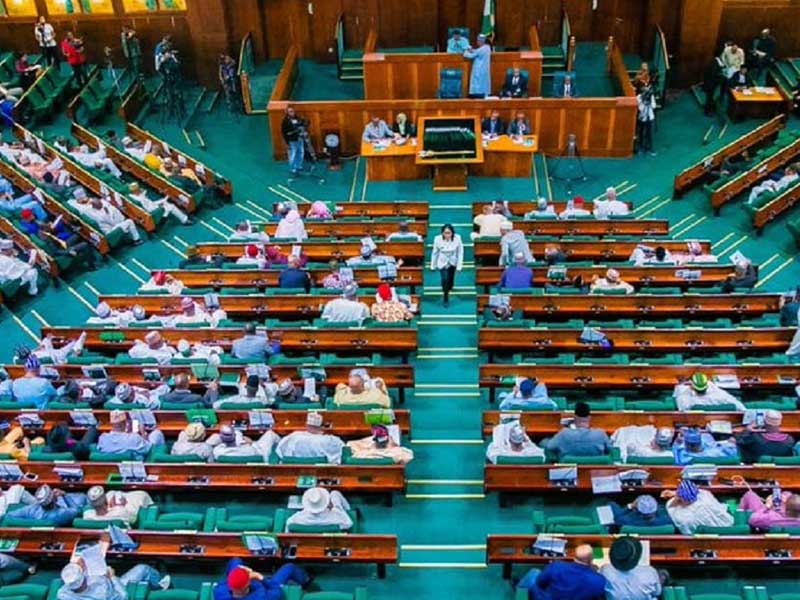
The Senate has called on the Federal Government to provide emergency funding from the service-wide vote to strengthen the country’s disease surveillance system and enforce mandatory health screening at all international airports, seaports, and designated land borders to prevent the spread of Ebola and other epidemic-prone diseases.
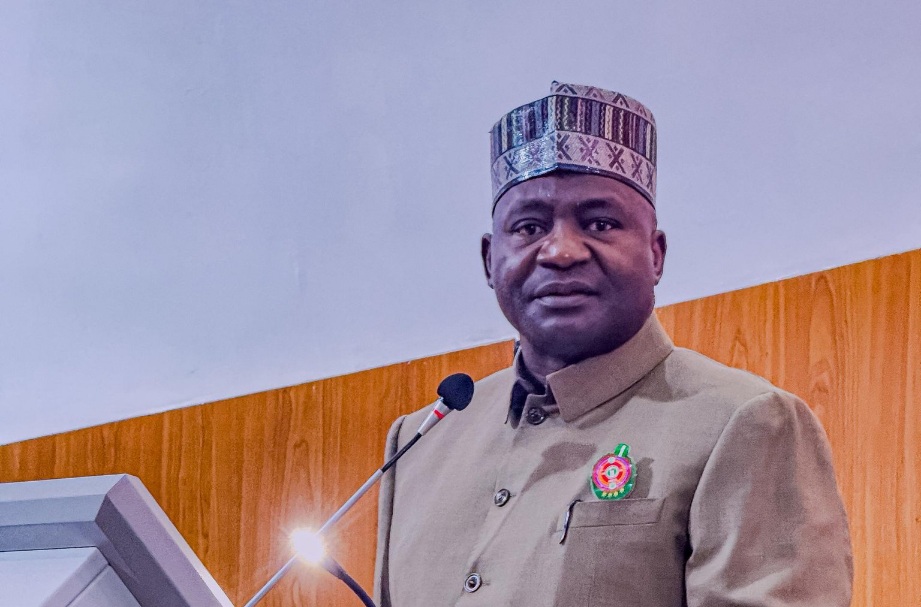
The resolution followed a motion of urgent national importance sponsored by Senator Francis Faduyile, who raised concerns over the spread of the Bundibugyo Ebola virus and the risk it poses to Nigeria’s public health system.
Faduyile noted that the outbreak, which began in the Democratic Republic of the Congo (DRC), had spread to other African countries, including Uganda and Kenya. He warned that infected travellers could enter Nigeria through third countries.
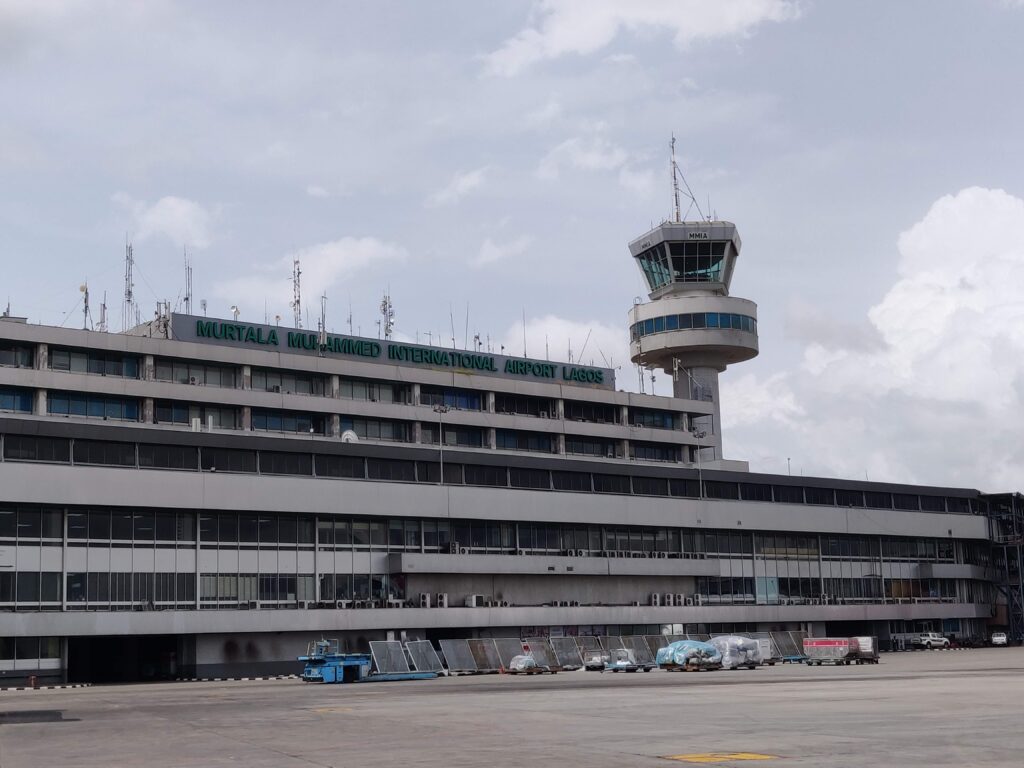
He also cited the Nigeria Centre for Disease Control and Prevention’s (NCDC) assessment of the high risk of Ebola importation, recalling that a single traveller introduced the disease into Nigeria through Lagos in July 2014.
The Senate acknowledged the Federal Government’s existing measures, including the introduction of health declaration forms and enhanced screening at entry points. However, it expressed concern that screening requirements had been restricted to travellers from selected countries, potentially leaving gaps in the country’s surveillance system.
Lawmakers also raised concerns about inadequate staffing and equipment at several entry points, as well as Port Health Services’ continued reliance on the Quarantine Act of 1926.
The upper chamber warned that Nigeria’s existing disease burden, including Lassa fever, cholera, and diphtheria, made it imperative to strengthen the country’s preparedness for another major public health emergency.
Consequently, the Senate asked the Federal Ministry of Health and Social Welfare, the NCDC, and Port Health Services to make health screening compulsory for all arriving international passengers, regardless of nationality or country of departure.
The proposed screening measures include health declaration forms, temperature checks, and symptom assessments, with enhanced screening for travellers who have visited or transited through affected areas within the preceding 21 days.
The Senate also called for exit screening of departing passengers during declared public health emergencies.
It further urged the Federal Ministry of Health and Social Welfare, the Federal Airports Authority of Nigeria (FAAN), and the Nigeria Immigration Service to provide adequate numbers of trained Port Health officers, thermal scanners, protective equipment, and isolation facilities at all entry points.
The Federal Government was also urged to ensure that isolation and treatment centres were adequately prepared across the 36 states and the Federal Capital Territory (FCT).
On the legal framework, the Senate called for the replacement of the Quarantine Act of 1926 with a modern public health law aligned with the International Health Regulations of 2005.
It also urged the ministries responsible for finance, budget, and economic planning to provide adequate funding for the NCDC and Port Health Services in the 2027 budget and release outstanding funds.
Meanwhile, the Federal Government on Wednesday confirmed a case of Ebola in the FCT.
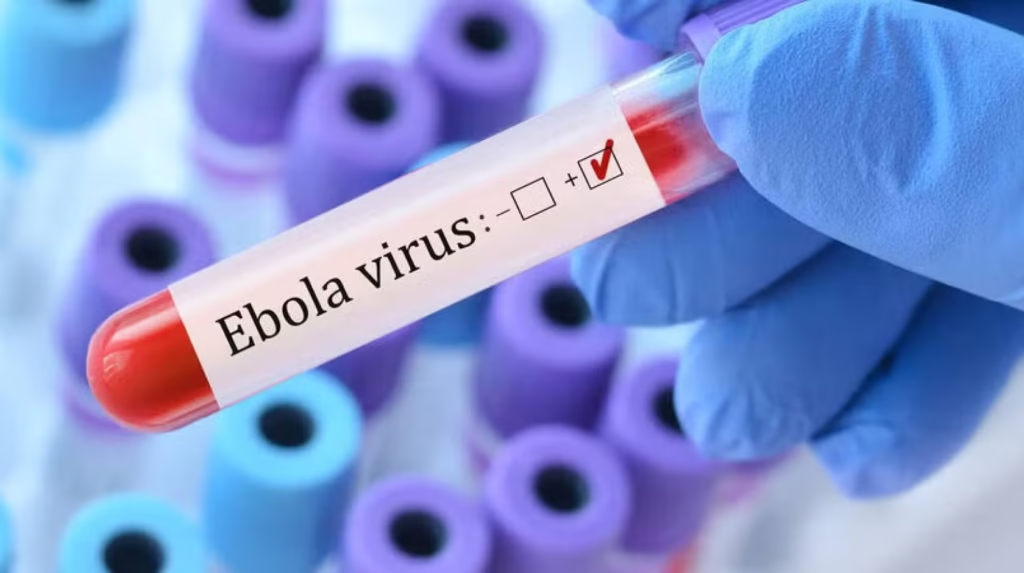
The Coordinating Minister of Health and Social Welfare, Prof. Muhammad Pate, disclosed in Abuja that laboratory tests had confirmed an imported case of Ebola virus disease.
Pate said the patient was a woman who had recently travelled to Uganda and returned to Nigeria with symptoms on October 7. Her symptoms reportedly worsened four days later, before laboratory tests confirmed the infection.
However, Ugandan authorities denied reports of an Ebola outbreak in the East African country.
Uganda’s Ministry of Health said the location where the patient was exposed to the virus remained under investigation, adding that travel through Uganda alone was insufficient to establish where the infection occurred.
The ministry also said the Nigerian Government had yet to provide detailed information about the patient’s travel itinerary and clinical history. It said the information would help guide further investigations and any necessary contact tracing.
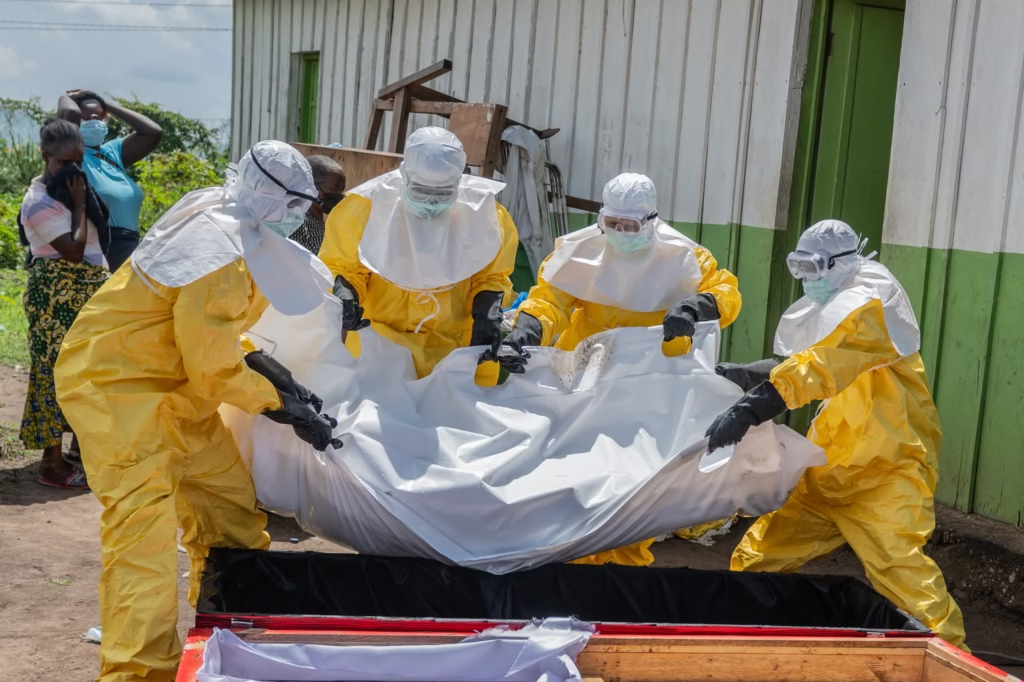
The deadly viral haemorrhagic disease has spread to several countries across the continent following an outbreak in the DRC in May.
Kenya reported its ninth Ebola case on Tuesday.
According to health authorities, the DRC’s Ebola epidemic has become the deadliest in the country’s history, with more than 4,000 deaths recorded among over 9,000 confirmed cases.