

































































































































































































































































































































UNGA 81: Nigeria Presses for African Power, Security Cooperation and Economic Partnerships


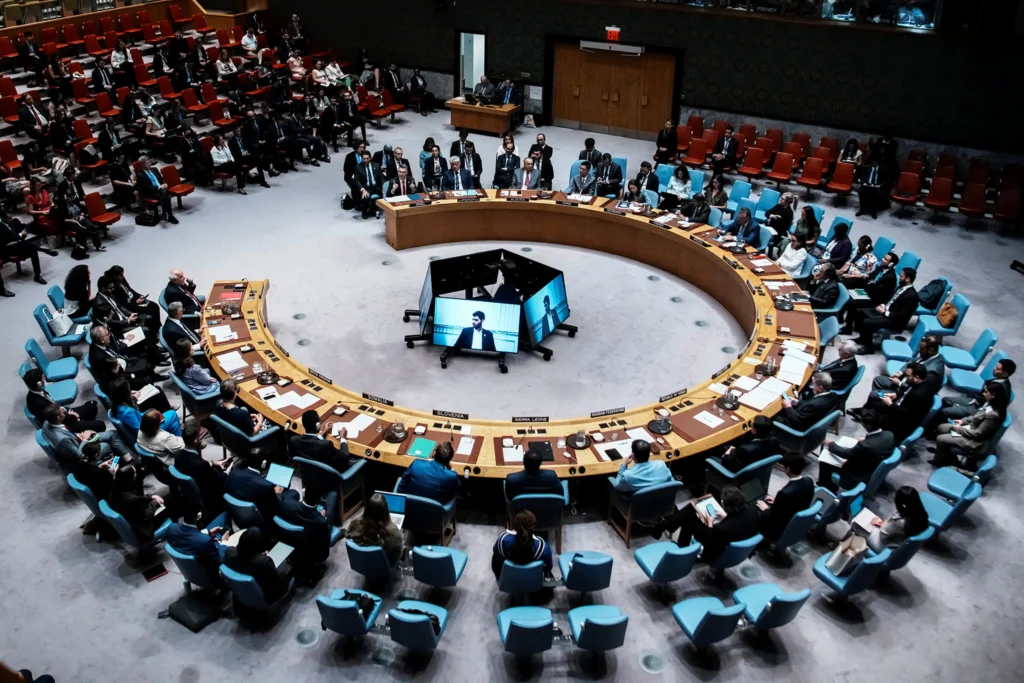
Nigeria has renewed its call for permanent African representation on the United Nations Security Council while urging stronger international cooperation against terrorism and other transnational threats as President Bola Tinubu used his address to the 81st UN General Assembly to push for reforms in global governance and deeper economic and development partnerships.
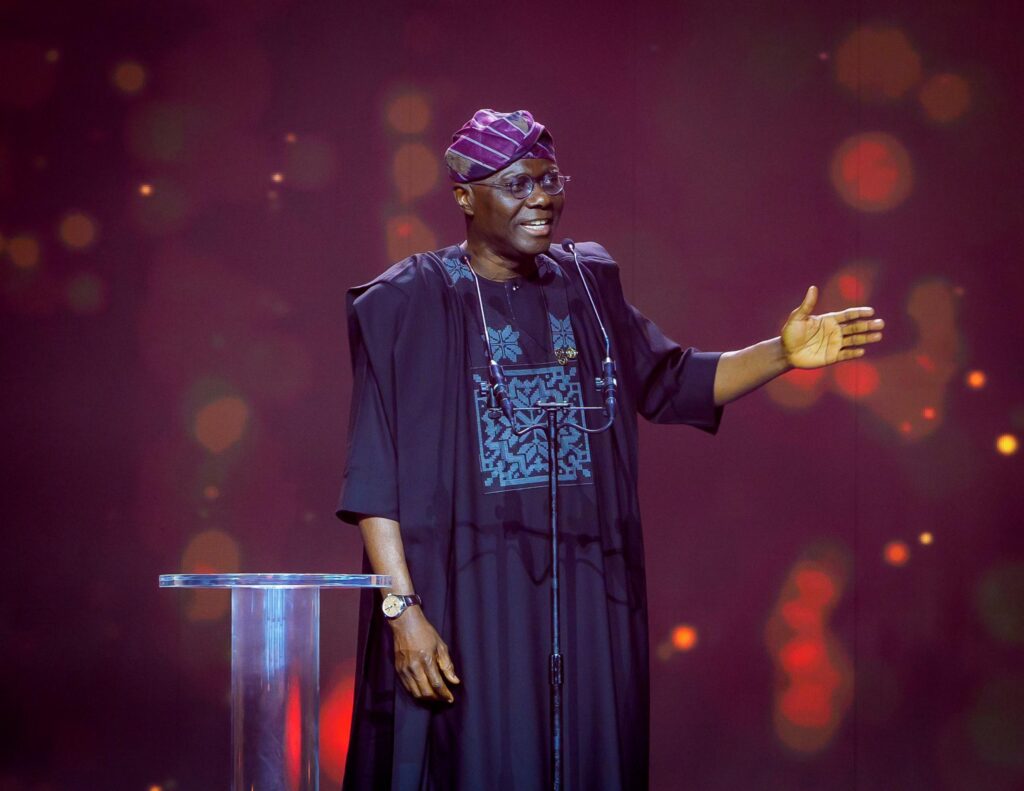
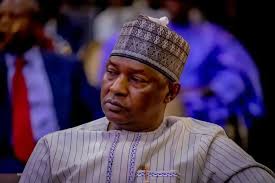
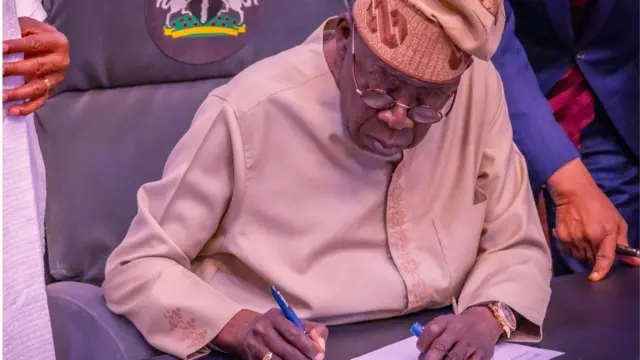
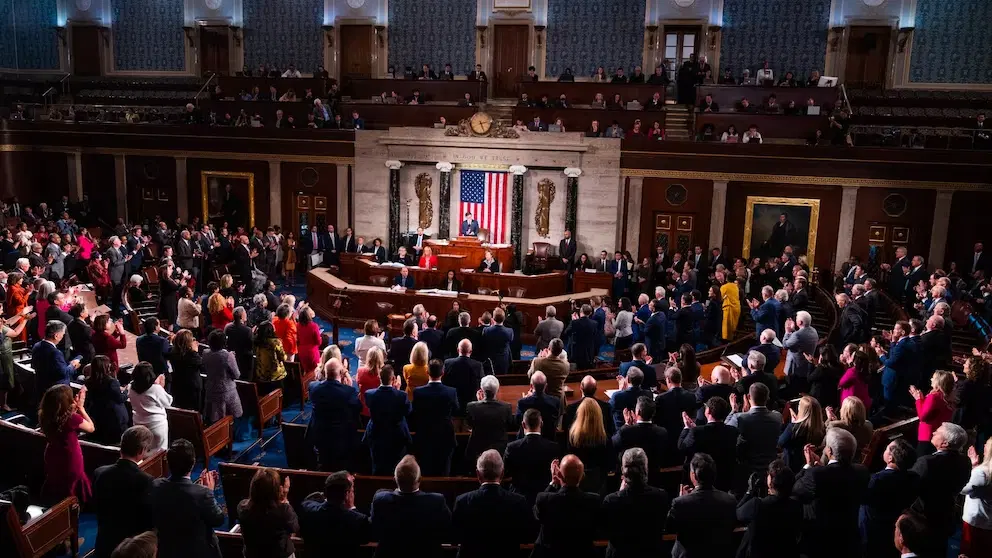
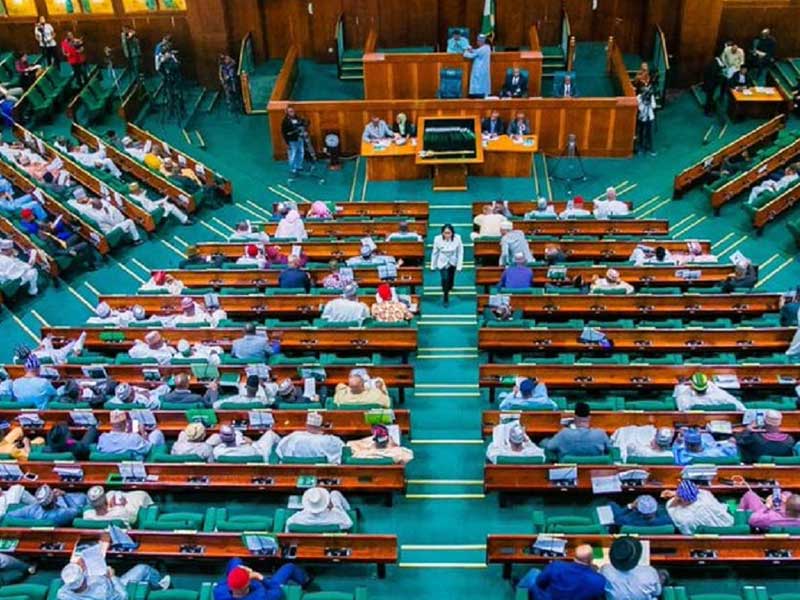
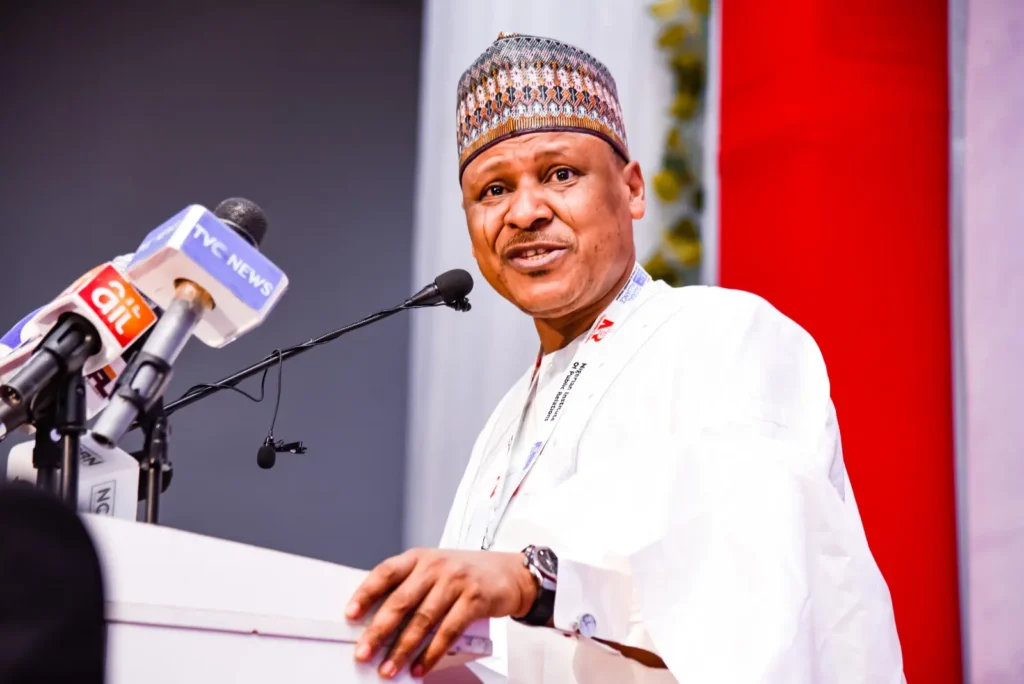
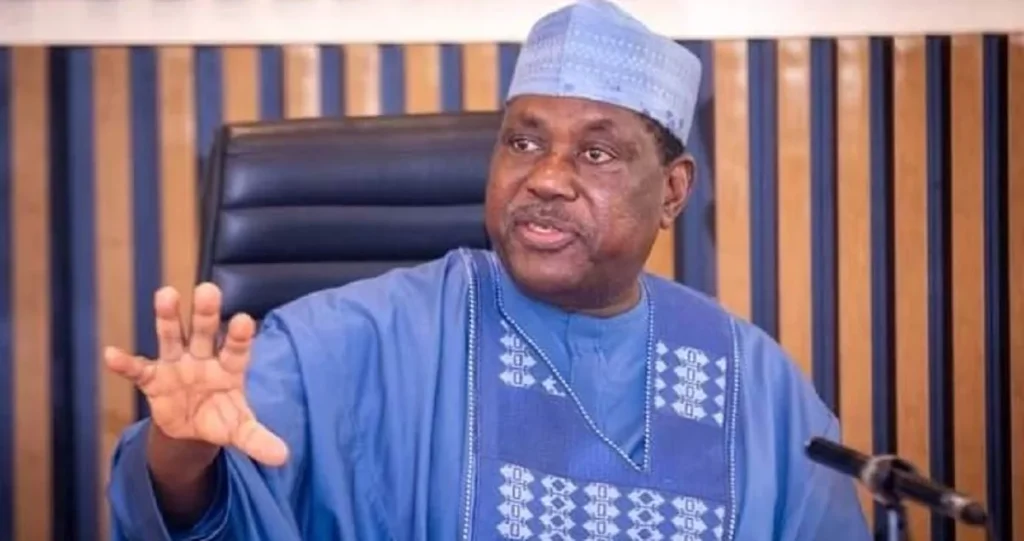
Tinubu, represented by Vice President Kashim Shettima, made the call on Thursday while addressing delegates at the General Debate of the 81st UNGA in New York, United States.
The President said reform of the United Nations must begin with the reconstitution of the Security Council, arguing that the existing structure no longer reflected the realities of the contemporary world.
“Nigeria stands by the Charter and its promise of a world in which diplomacy prevails over coercion, cooperation over isolation, and international law over arbitrary exercise of power.
“Mr President, the reform of this institution must begin with the reconstitution of the Security Council, for the world of 2026 cannot remain captive to distribution of power in 1945,” Tinubu said.
Nigeria has consistently advocated greater African representation on the Security Council, and the President’s latest call reinforces the country’s position that the continent should have permanent representation in the body responsible for maintaining international peace and security.
Tinubu also linked the question of global representation to the wider challenges of peace, security, and development, arguing that countries could not achieve sustainable development in environments characterised by persistent violence and exclusion.
He said terrorism, organised crime, cyberattacks, and illicit finance continued to exploit gaps between national security responses, making stronger international cooperation necessary.
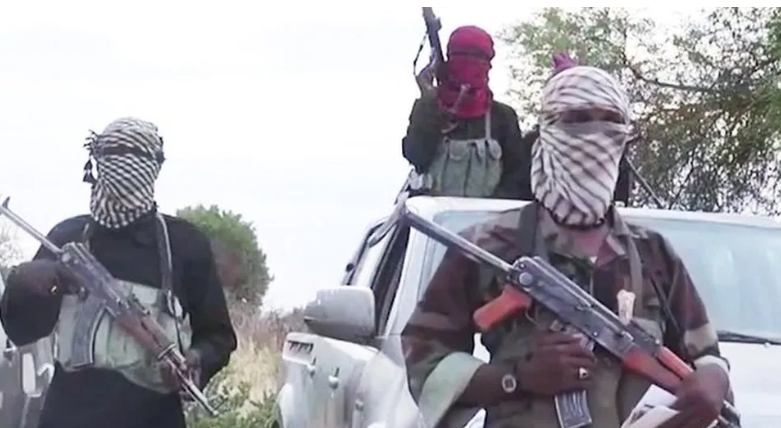
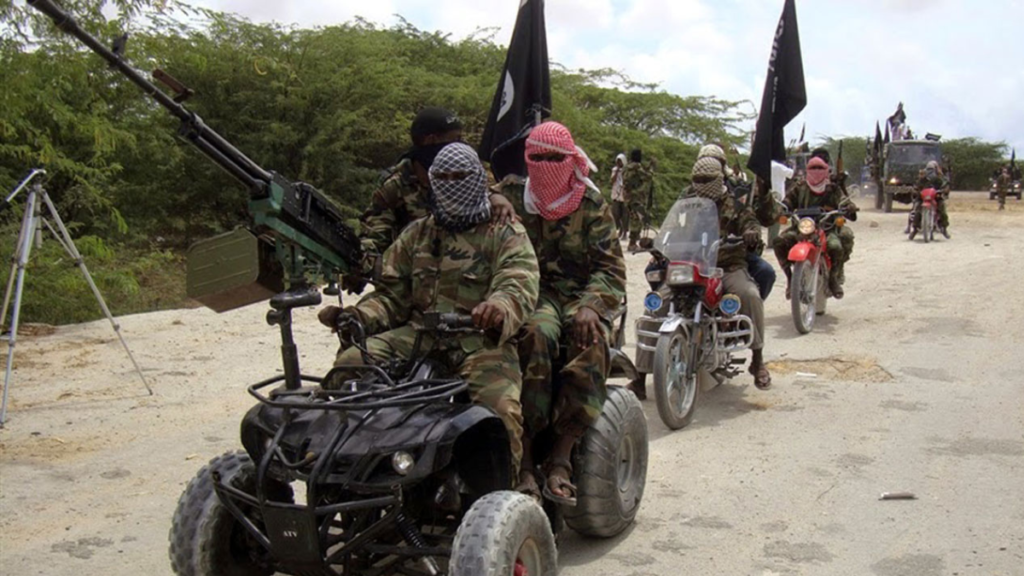
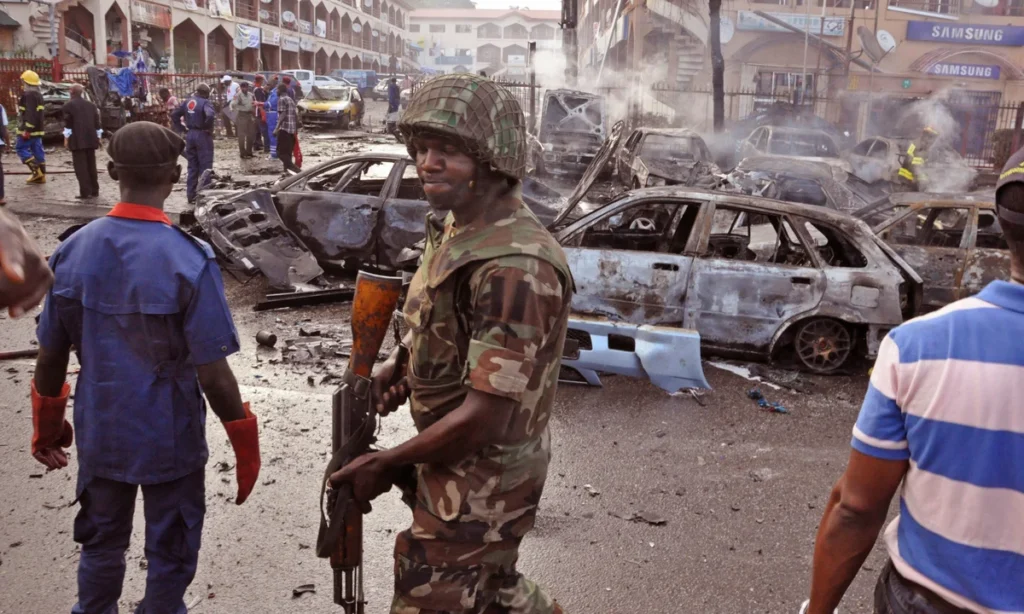
“Nigeria’s prolonged struggle against Boko Haram, ISWAP, and other armed groups has taught us that military victories require enduring foundations in education, economic opportunity, accountable governance, and communities whose rights and dignity are protected.
“We must exchange intelligence, strengthen institutional capacity, interrupt the financing of violence, and prevent weapons from crossing borders that our responses too often fail to cross,” he said.
The President said the situation in the Sahel demonstrated how insecurity in one country could threaten neighbouring states, displace populations, disrupt commerce, and undermine regional integration and democratic governance.
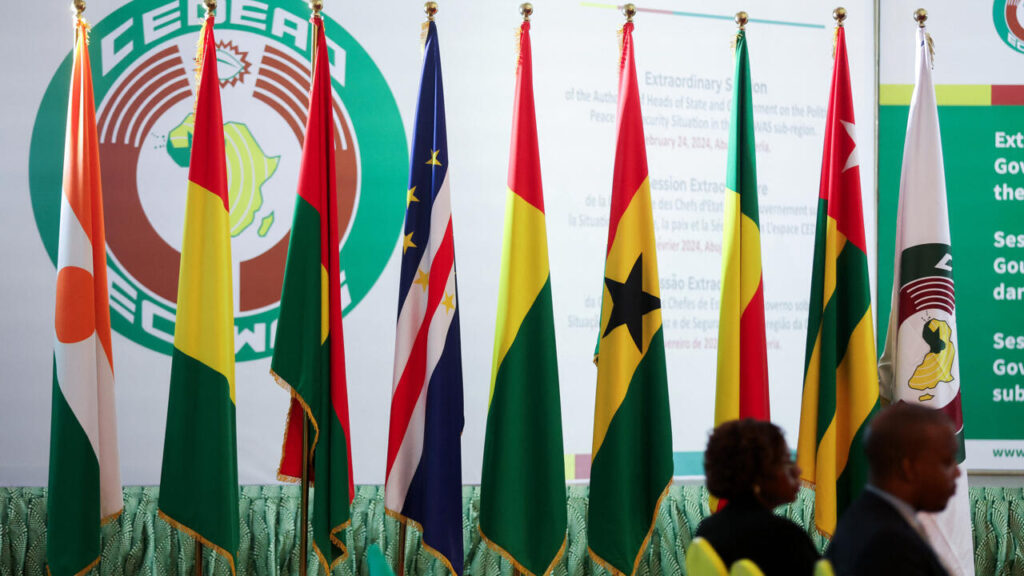
He reaffirmed Nigeria’s commitment to regional cooperation through the Economic Community of West African States (ECOWAS) and the African Union (AU), as well as international partnerships aimed at addressing insecurity.
Tinubu further called for greater attention to the root causes of violent extremism, stressing the connection between security and development.
“Development cannot take root while violence repeatedly uproots livelihoods, and peace cannot endure while injustice and exclusion replenish the ranks of those who threaten it,” he said.
On conflicts outside Africa, the President called for urgent diplomacy to address the war in Sudan and other crises, urging all parties to respect international humanitarian and human rights law, protect civilians, and facilitate humanitarian access.
“We place our faith in diplomacy because military victories alone cannot secure lasting peace,” he said, advocating dialogue, reconciliation, inclusive political processes, and stronger investment in peacebuilding and prevention.
Beyond security and diplomacy, Tinubu used the address to call for a stronger economic role for Africa, saying the continent must move beyond its historical position as an exporter of raw materials.
He advocated greater value addition, manufacturing, technological innovation, and knowledge-driven growth, arguing that Africa’s natural resources should become engines of shared prosperity rather than sources of continued dependency.
“Africa must move beyond its historical role as an exporter of raw materials towards greater value addition, manufacturing, technological innovation, and knowledge-driven growth,” he said.
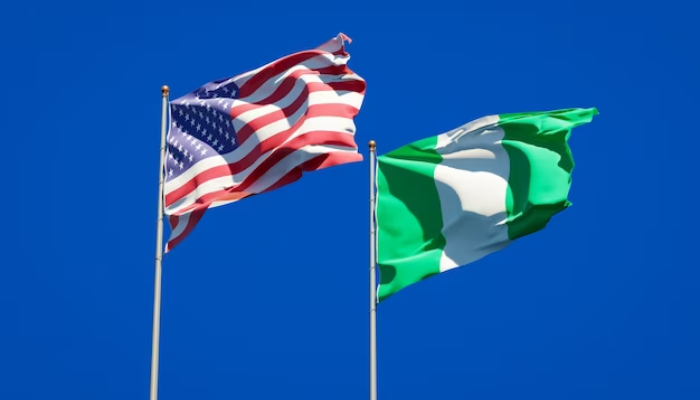
That position was reflected in Nigeria’s economic engagements on the sidelines of the UNGA, including a new memorandum of understanding between Nigeria and the United States to strengthen cooperation in the solid minerals sector.
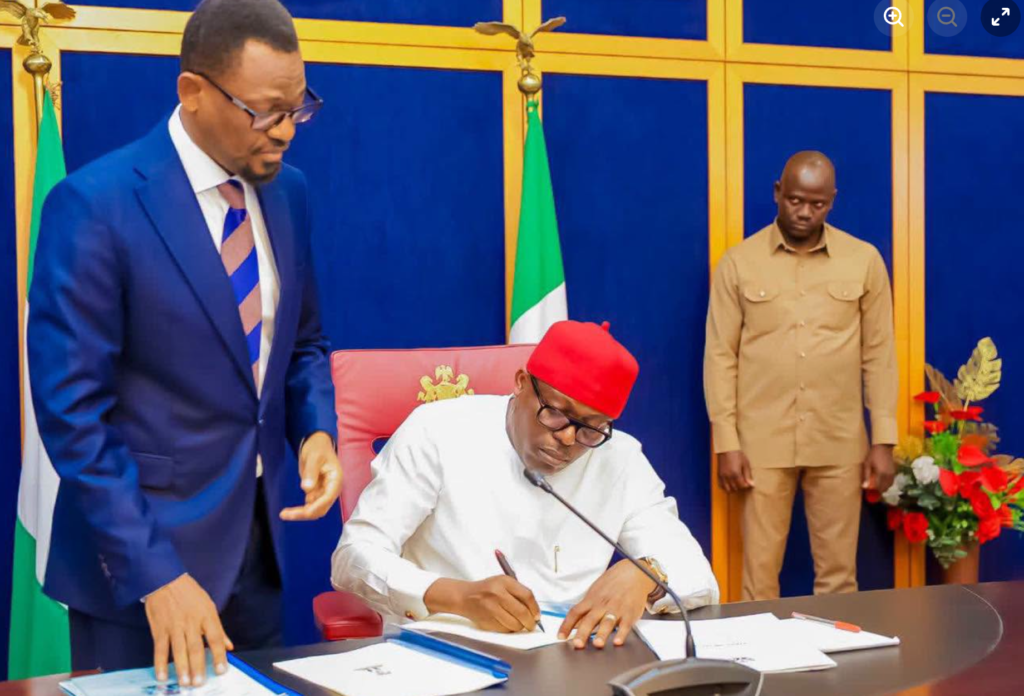
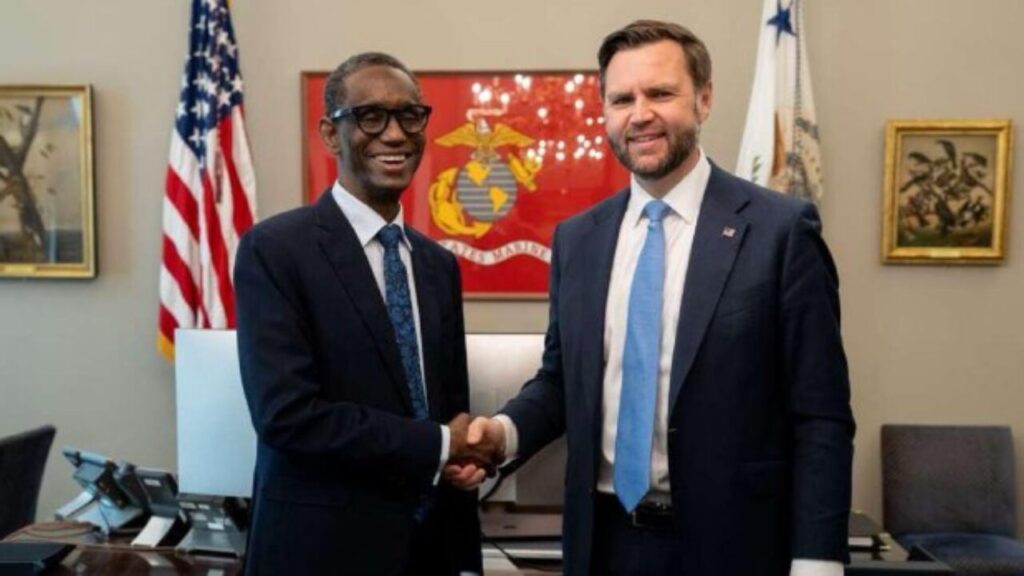
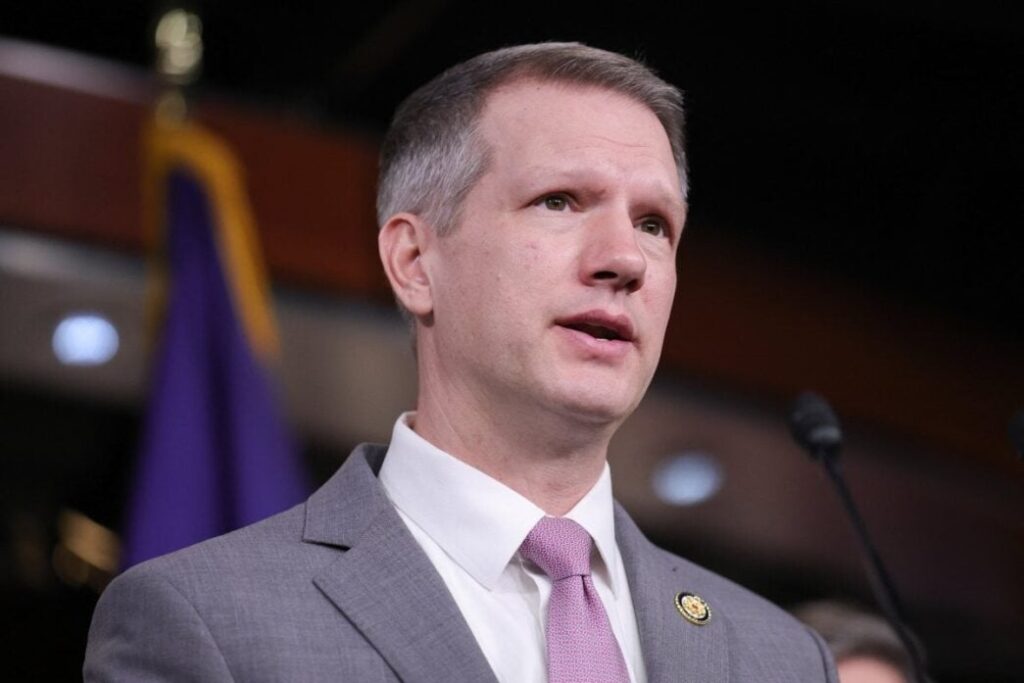
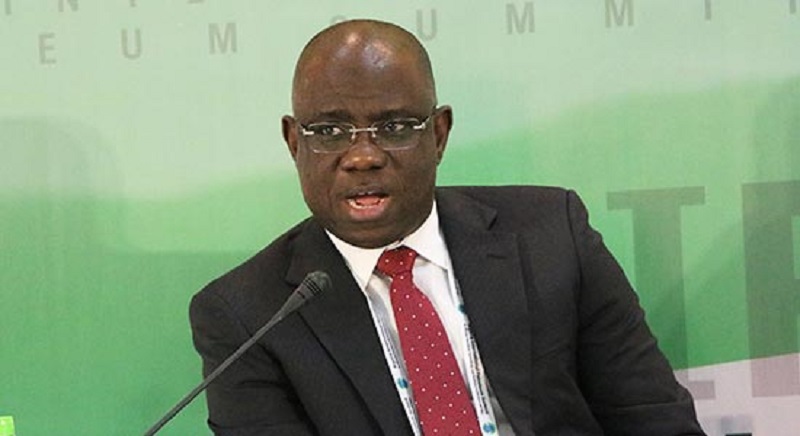
The agreement was signed by the Minister of Solid Minerals Development, Dele Alake, and the US Deputy Secretary of State, Christopher Landau, at the Nigerian Mission House in New York.
The framework provides for cooperation in geological data and exploration, mineral development and processing, infrastructure, and technical capacity building.
Alake described the agreement as a future-driven framework that would help Nigeria attract investment while strengthening domestic value addition in the mining sector.
“But let me be clear about Nigeria’s ambition. We are not here to remain a source of raw material for the value that others create. Our goal is to turn potential into lasting value at home through stronger local processing, new skills, quality jobs, and new opportunities for Nigerian businesses,” Alake said.
The agreement is intended to provide a framework for deeper Nigeria-US cooperation in the development of the country’s mineral resources, with particular attention to exploration, processing, infrastructure, and skills development.
The economic diplomacy also extended to education, with Nigeria and Italy strengthening collaboration around the proposed Global Partnership for Education (GPE) financing campaign, which seeks to mobilise $5 billion for education financing worldwide.
The initiative was discussed at a high-level event on education financing held on the sidelines of the UNGA in New York on Wednesday.
Governments and donors participating in the event made commitments towards expanding education opportunities for children globally, while Italy pledged €50 million to GPE programmes and interventions.
Vice President Shettima said Nigeria viewed education as an investment in the country’s economic future, national productivity, prosperity, and stability.
He also highlighted Nigeria’s efforts to strengthen access to education and skills development, including initiatives involving the Nigerian Education Loan Fund and partnerships with international development institutions.
The GPE campaign is expected to mobilise international resources to support education in developing countries, with Nigeria participating in the wider effort to expand financing for education.
Shettima said education financing should complement national investment and help unlock additional resources for partner countries.
Nigeria’s participation in the initiative forms part of a broader development agenda being presented at the UNGA, linking education, skills, economic opportunity, and national productivity.
The President also used his address to call for reform of the international financial architecture, wider access to concessional financing, debt sustainability frameworks that take development needs into account, and greater use of private capital, blended finance, South-South cooperation, and strategic partnerships.
He said the African Continental Free Trade Area represented an important opportunity to strengthen regional value chains, expand intra-African trade, promote industrialisation, and attract investment.
The combination of diplomatic advocacy and economic engagement has given Nigeria’s participation in the 81st UNGA a broad focus, covering the reform of global institutions, international security, education financing, and economic partnerships.
Shettima had earlier said Nigeria’s engagements at the General Assembly would be guided by the country’s national interest, commitment to multilateralism, and Tinubu’s advocacy for reforms of global institutions to reflect contemporary economic and demographic realities.
The 81st UNGA, which began on September 22 and will run until September 28, is being held under the theme, “Restoring trust, managing transformation: A United Nations that delivers for all”.
For Nigeria, the engagements in New York have therefore combined a call for a greater African voice in global decision-making with efforts to attract international cooperation in areas considered critical to the country’s development — including security, education, mining, industrialisation, and investment.