
































































































































































































































































































































































Nigeria Lacks Enough Crude to Supply Dangote Refinery, Says Oyedele

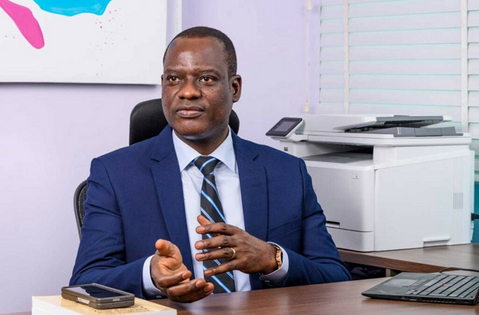
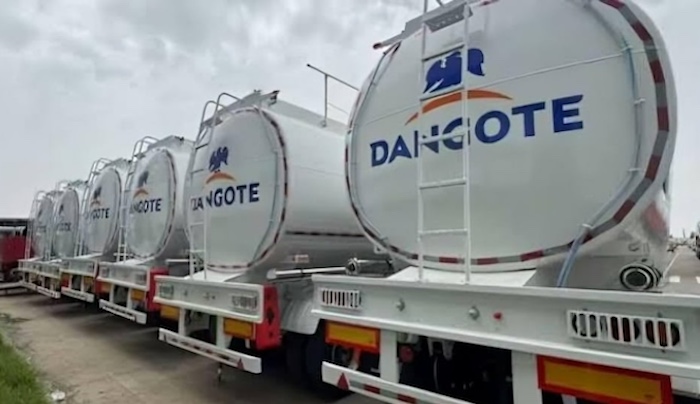
The Federal Government says Nigeria’s crude oil production is insufficient to supply the Dangote Refinery while also meeting the needs of other domestic refiners.
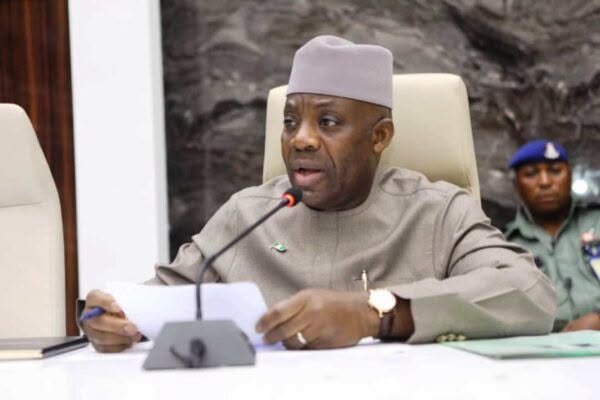
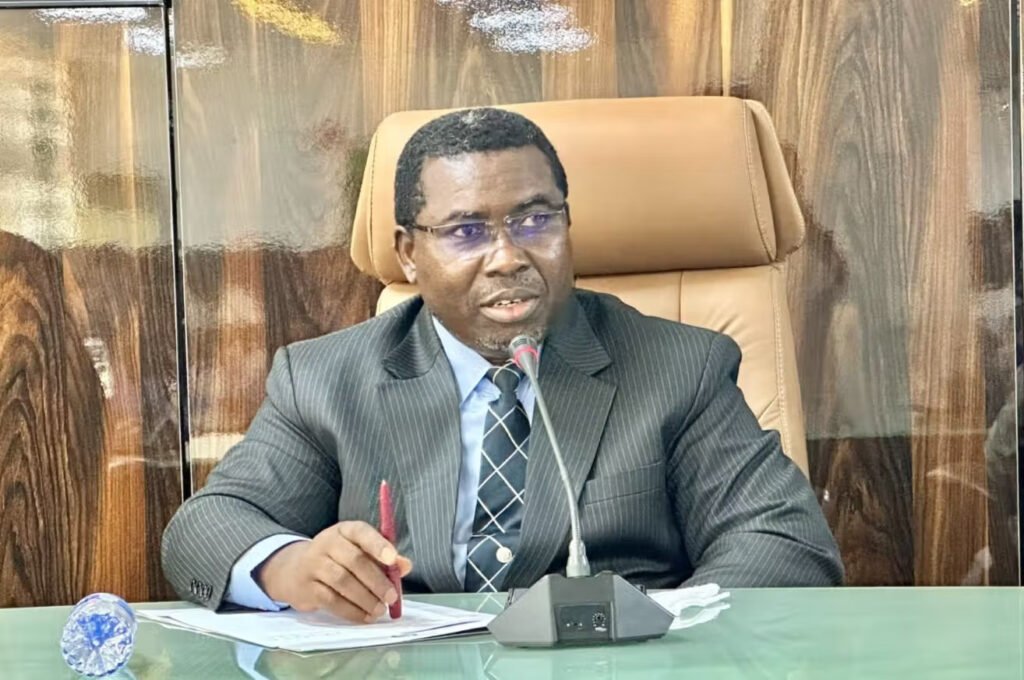
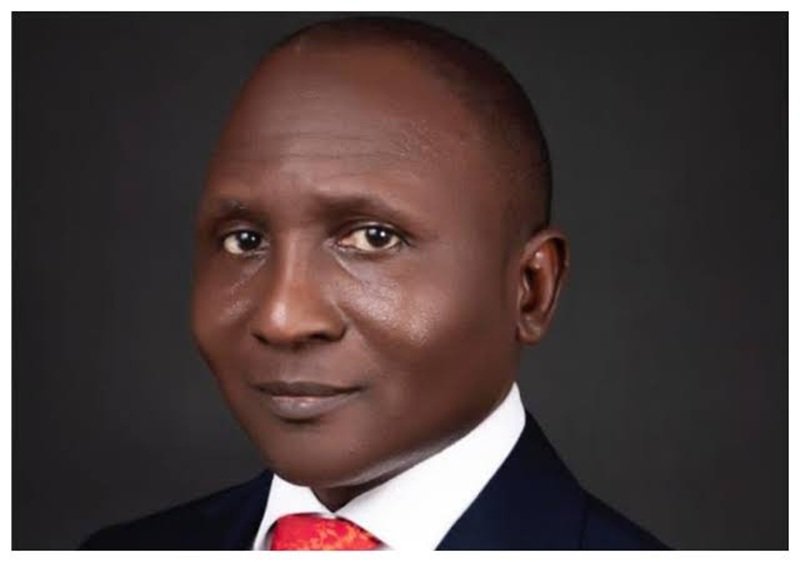
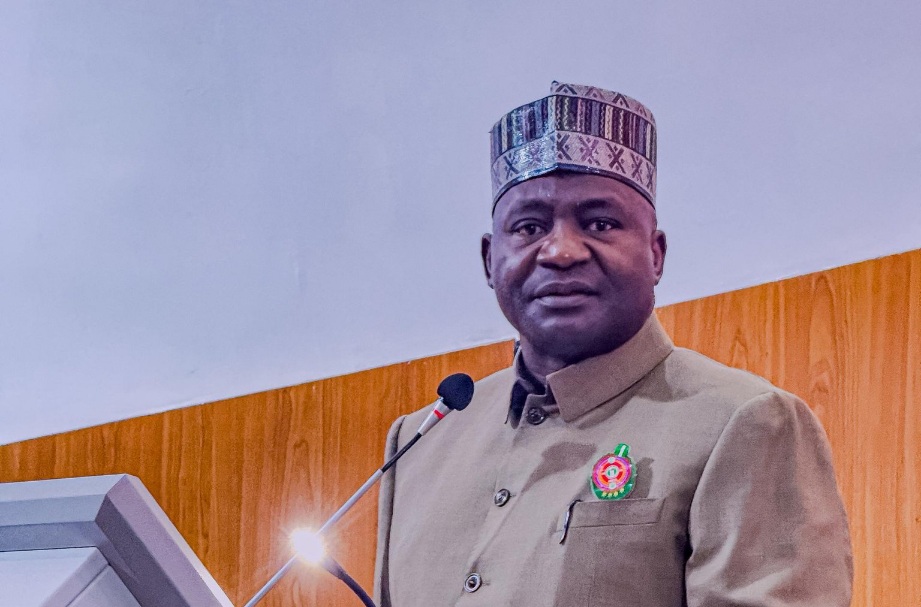
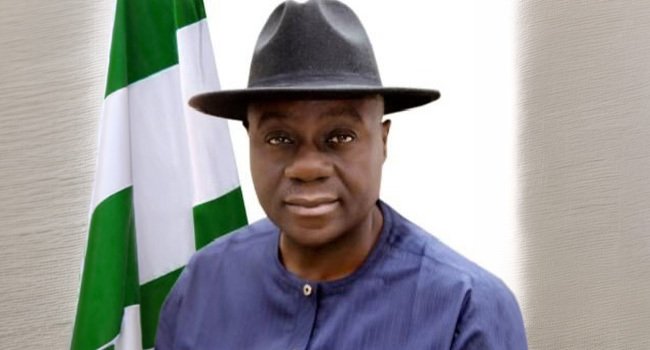
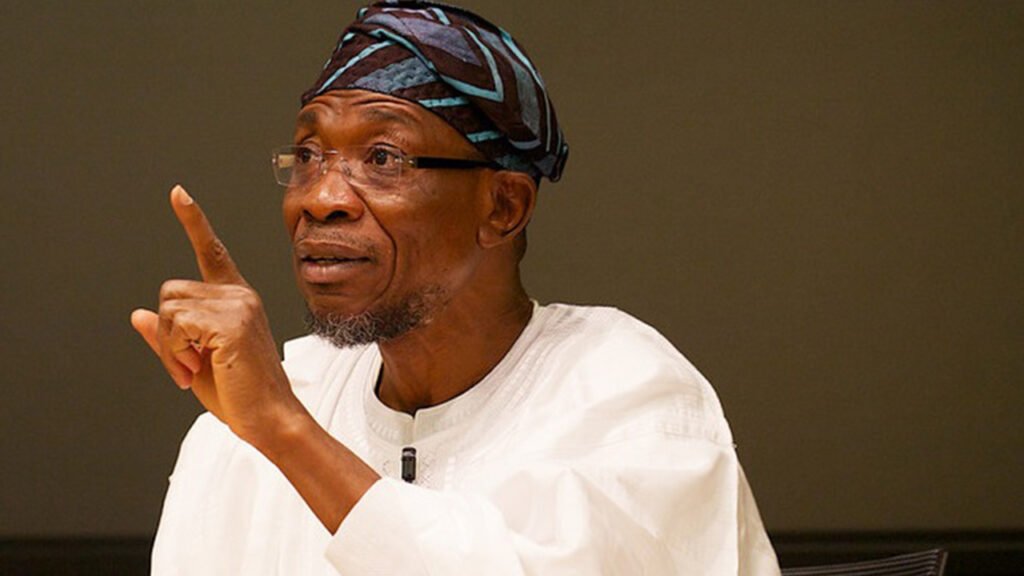
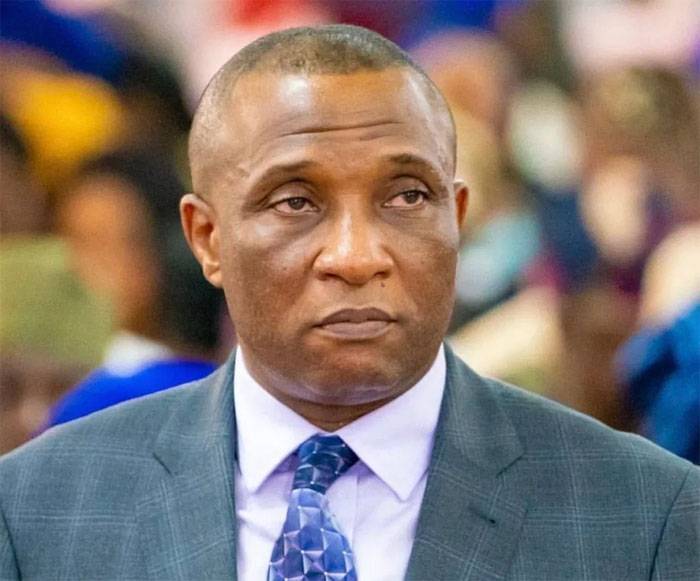
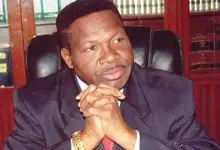
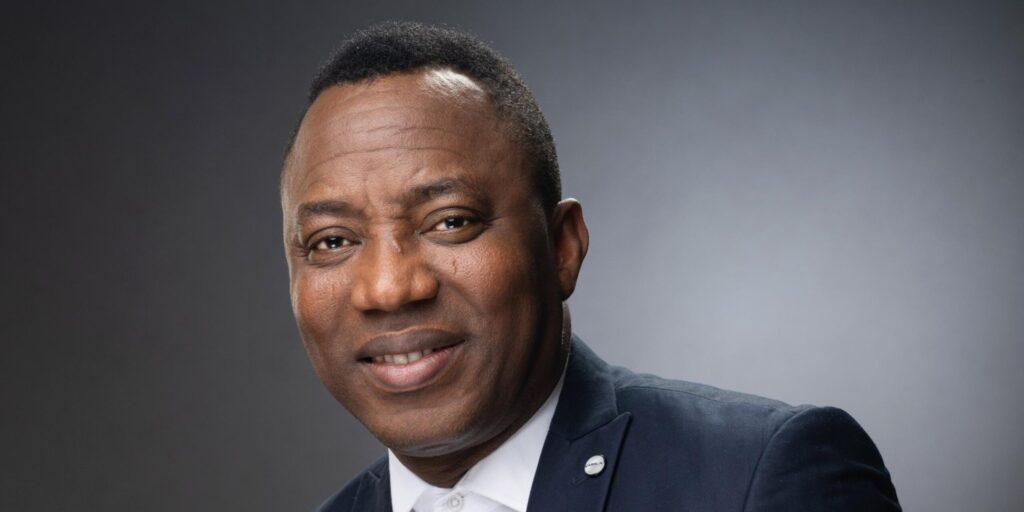
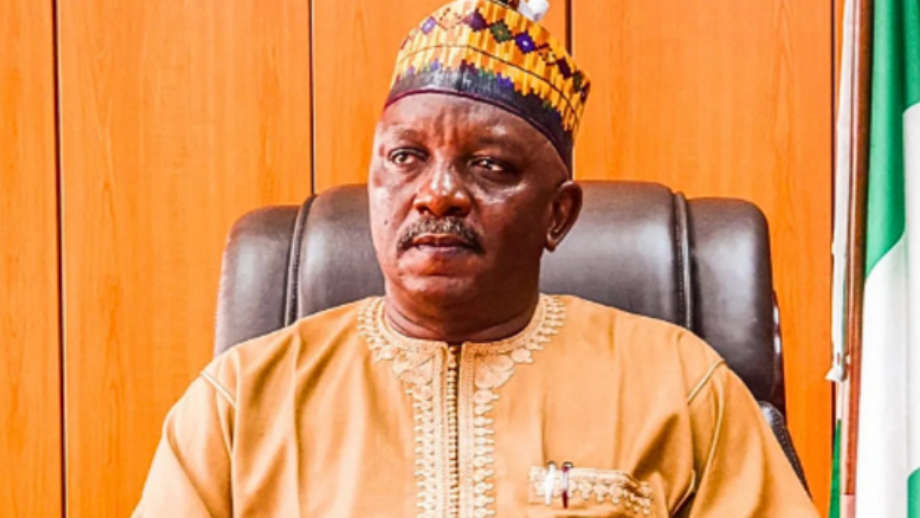
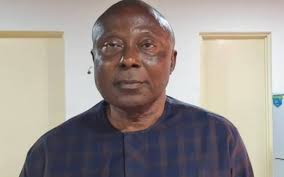
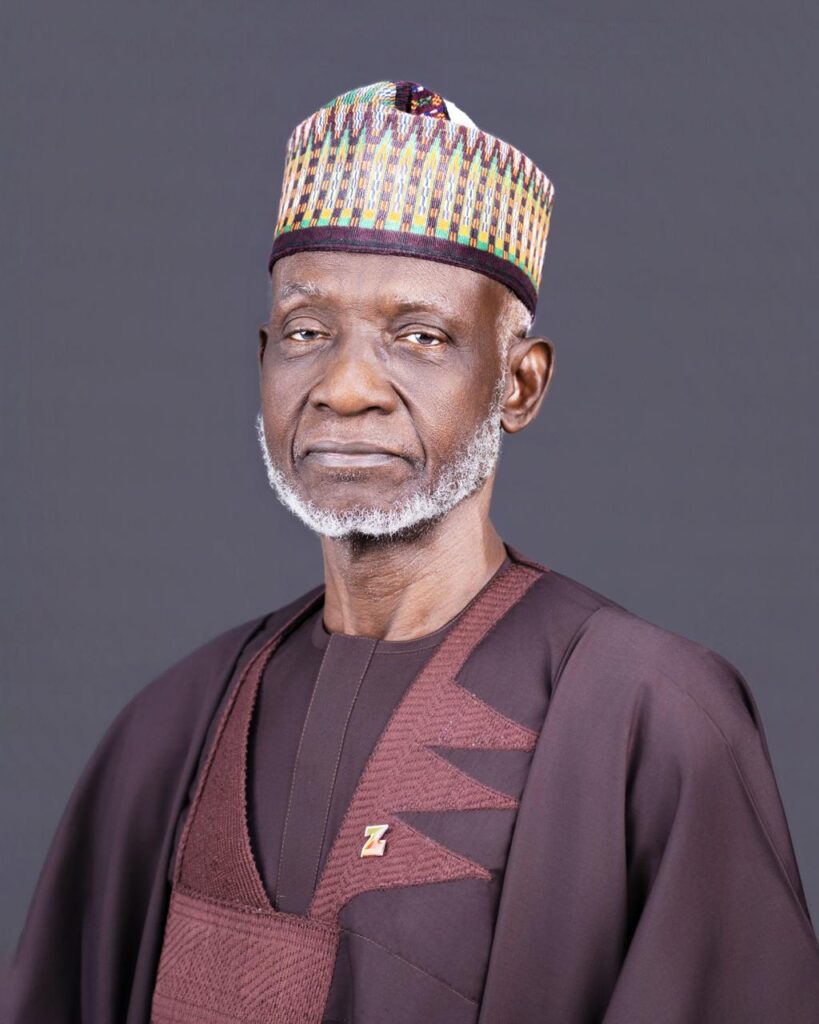
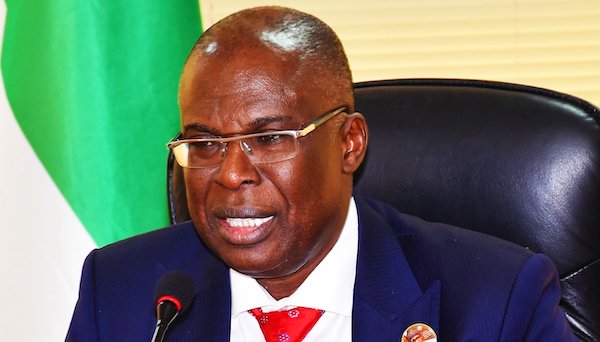
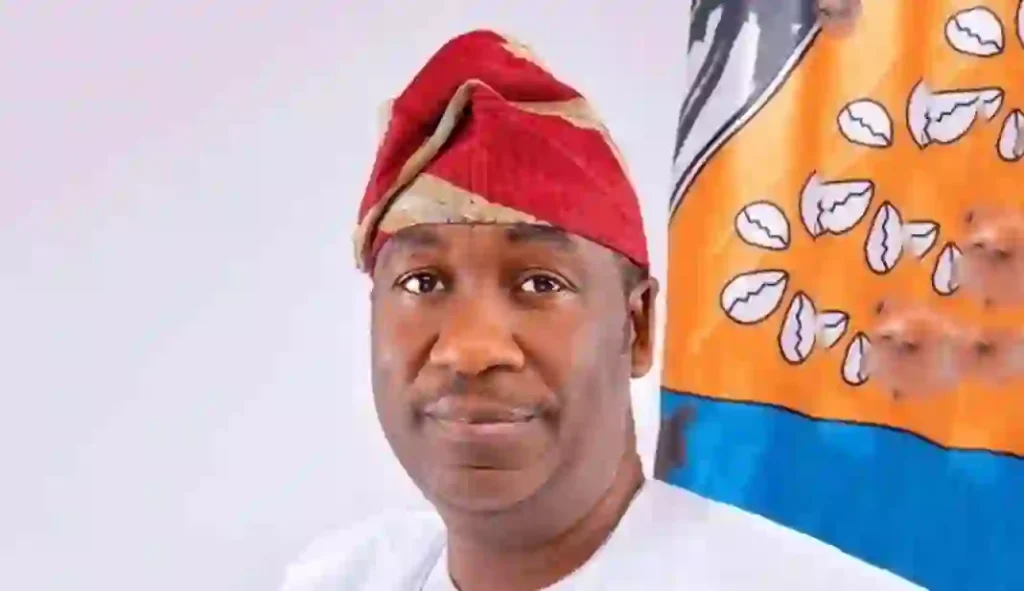
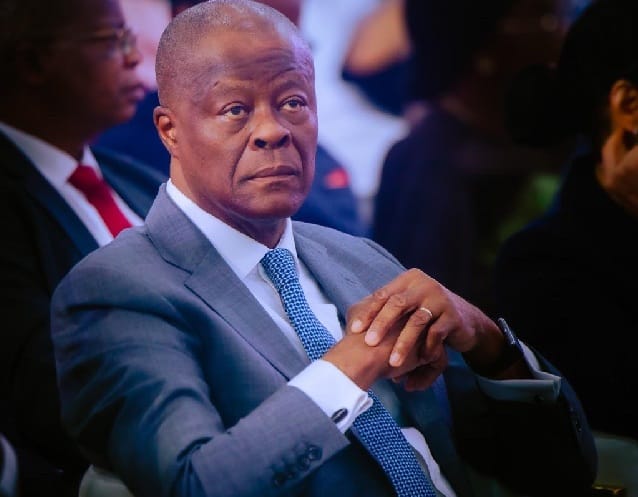
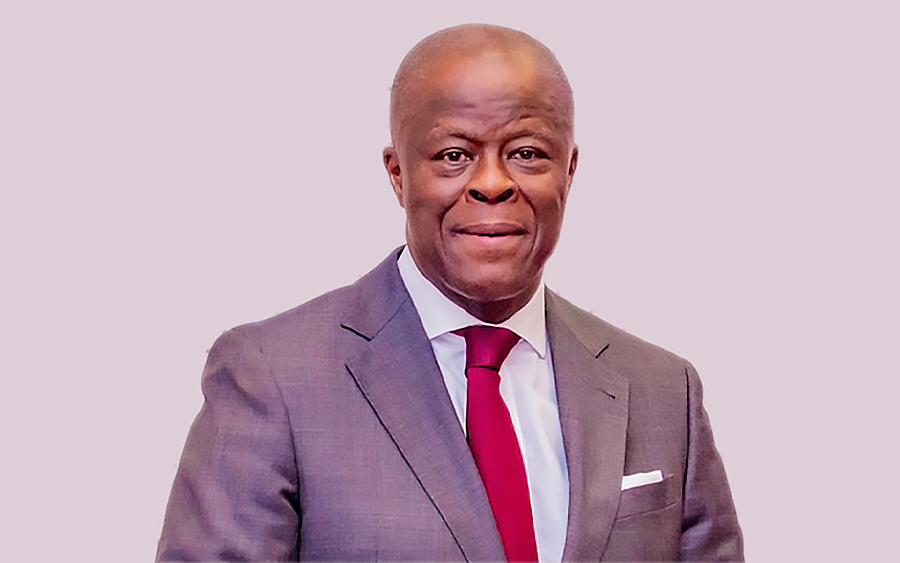
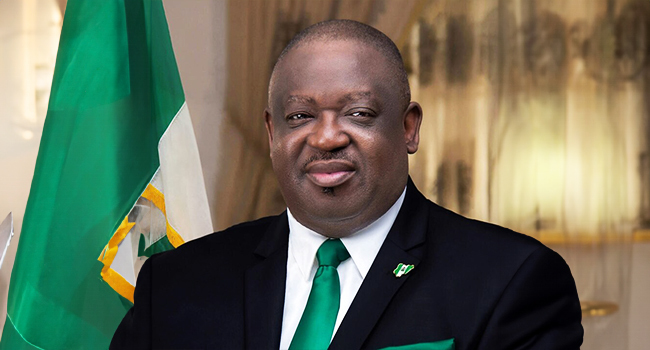
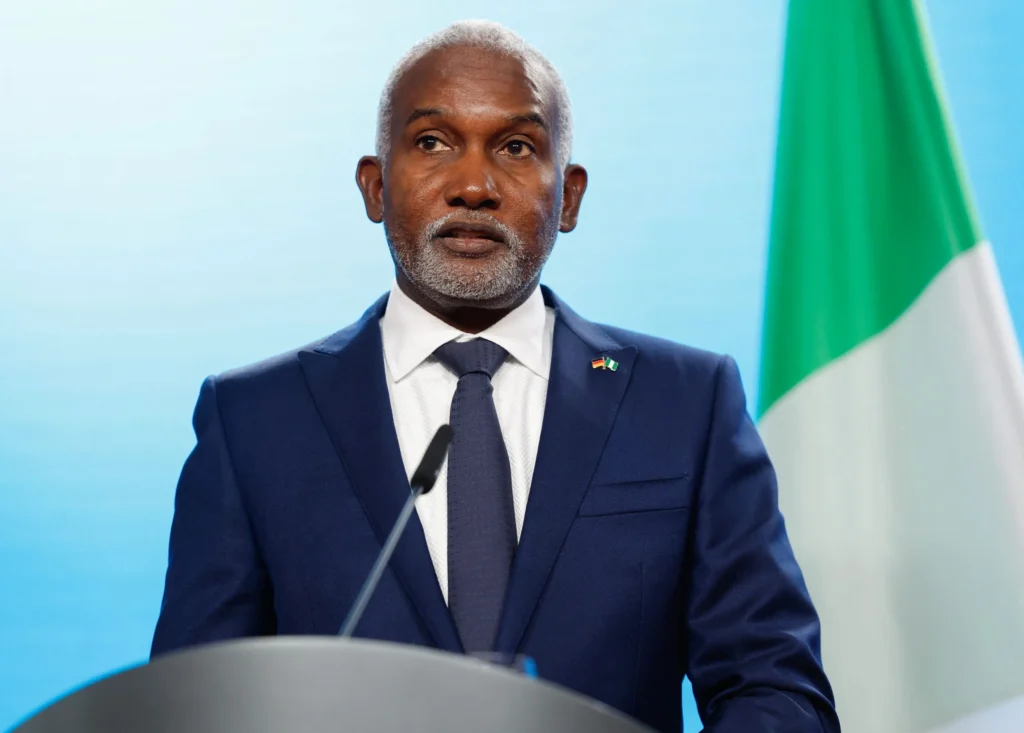
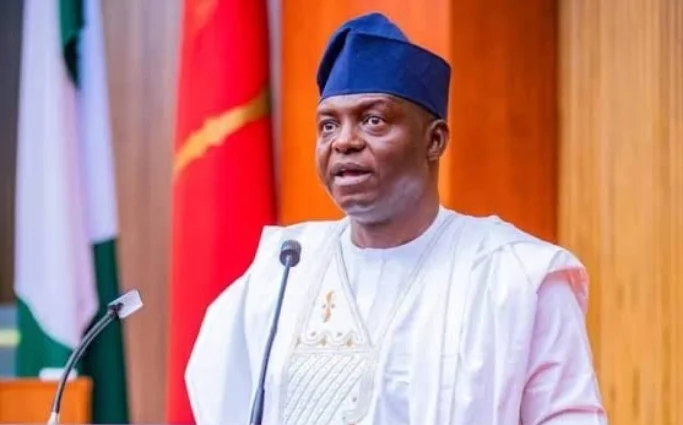
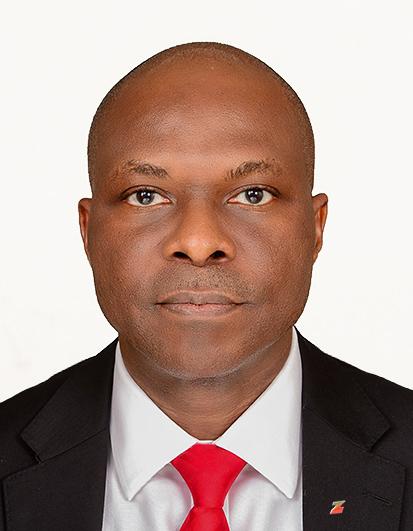
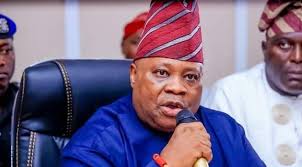
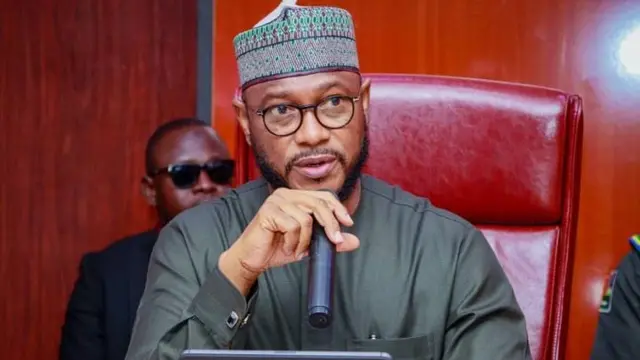
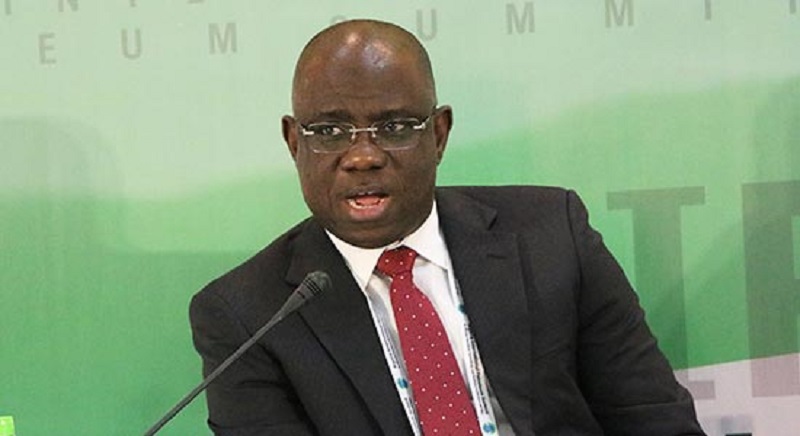
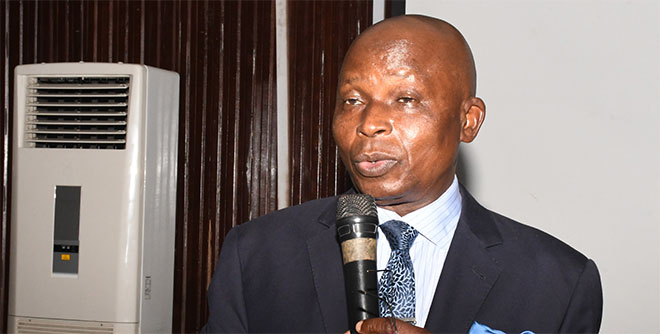
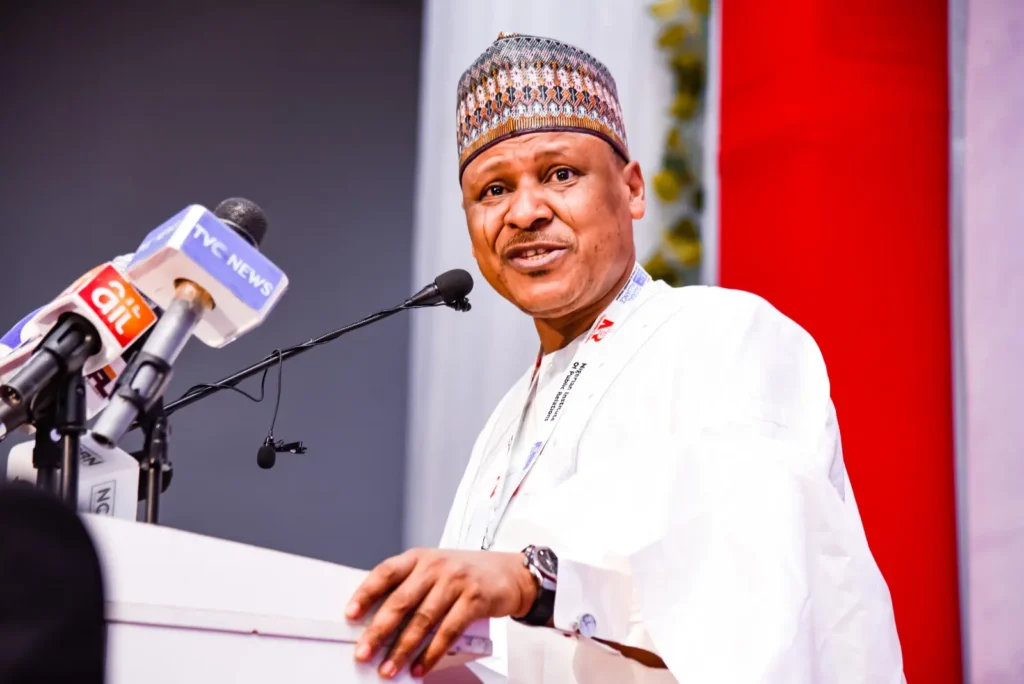
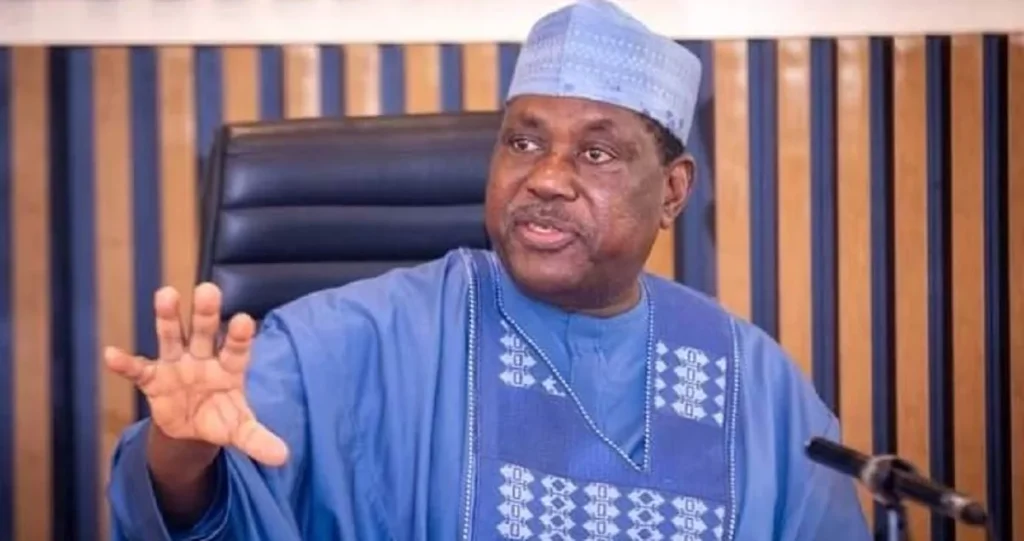
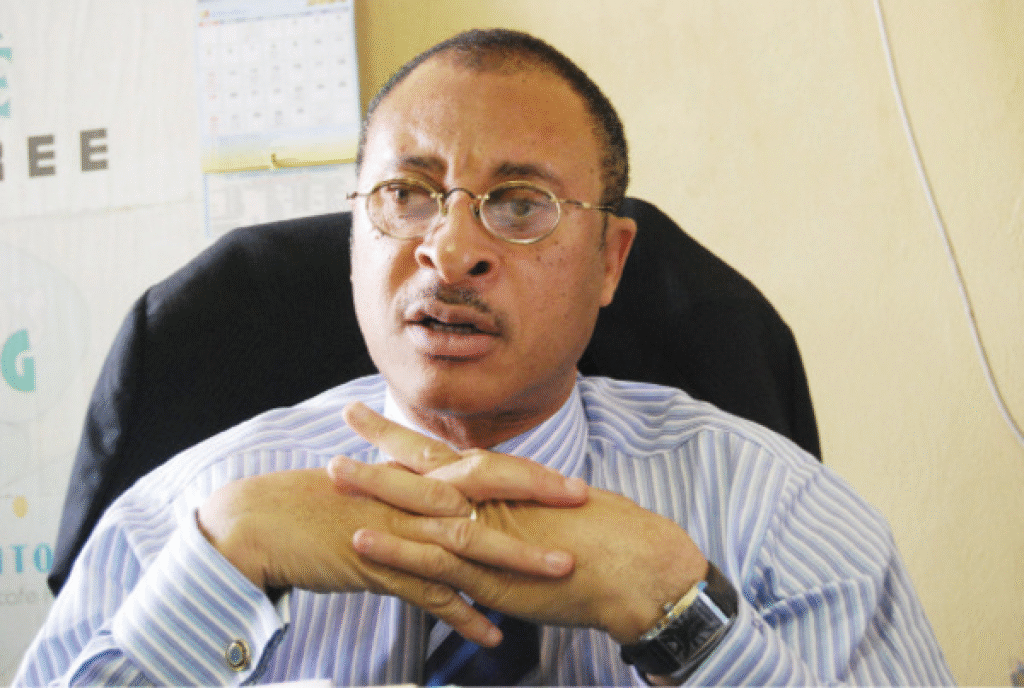
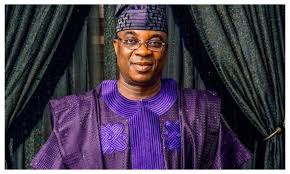
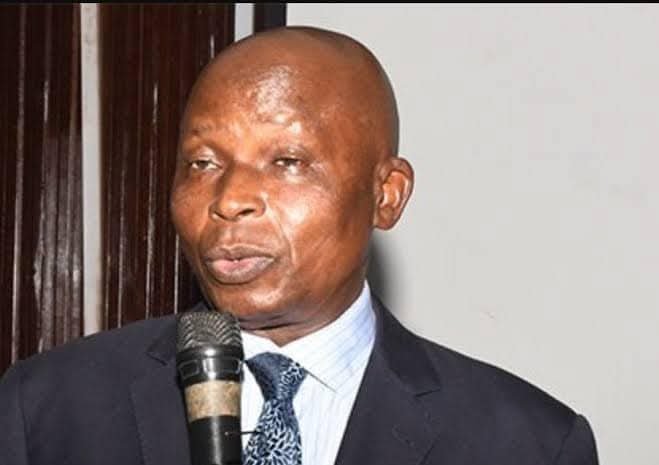
The Minister of Finance, Taiwo Oyedele, made this known on Friday amid calls for a production subsidy to help the Dangote Refinery meet domestic demand for refined petroleum products.
“ So the people that are saying, ‘We’ll discount it, we’ll do the cost of production,’ don’t know what they’re talking about. We don’t have enough to service Dangote. Dangote imports crude. And I just want us to establish that fact,” Oyedele said on Channels Television’s Politics Today.
He explained that although Nigeria currently produces 1.8 million barrels of crude oil daily, “that does not belong to Nigeria alone”.
“Under the production sharing contract and joint venture, they share these things. And the ratios vary. Let’s say roughly 45, 55, right? You do that,” the minister said.
He explained that production costs and royalties must also be deducted before the government’s share of the remaining profit oil is determined.
“Then there’s the cost. To produce it, to get it out of the ground, you take it in the cost of oil. That’s also barrels that are going away. Then you take the one for royalty. Before you now start talking about profit oil that you share. The long and short of what I’m telling you is that whatever is left for Nigeria, we have sustained it almost entirely because of fuel subsidy.”
Asked how much crude oil remained available to Nigeria after these deductions, Oyedele said the country could not supply even 700,000 barrels of free crude to any recipient.
“I don’t want to go into the technicalities, but the reality is that today we do not have up to 700,000 free crude to give anyone, including Dangote,” he said.
“That’s why when Mr President introduced the Naira for Crude, it was meant to help us gain some stability. And it has worked, but we don’t have enough quantity to give as of yet,” he added.
Oyedele said Nigeria would eventually be able to supply the Dangote Refinery and other domestic refiners with sufficient crude as production increased.
“As we ramp up production and we free up some barrels, we’ll get to a point where we’ll be able to give Dangote everything he wants and other refiners will be able to get enough. I even hope personally that we get to a point in Nigeria where all the crude we produce will be refined in Nigeria and we only export refined products,” said the former chairman of the Presidential Committee on Fiscal Policy and Tax Reforms.
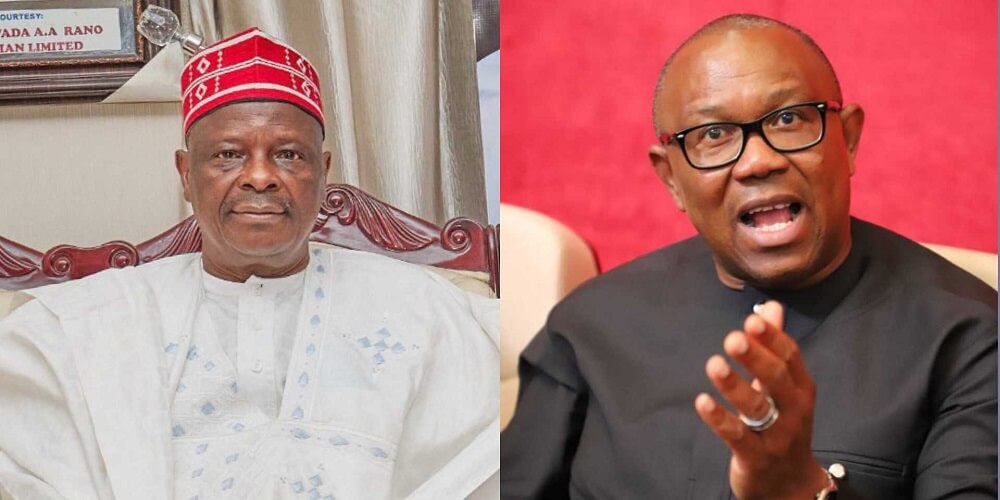
His comments came amid renewed calls for the return of fuel subsidy. Opposition figures have proposed different interventions, including a production subsidy for refineries operating in the country.
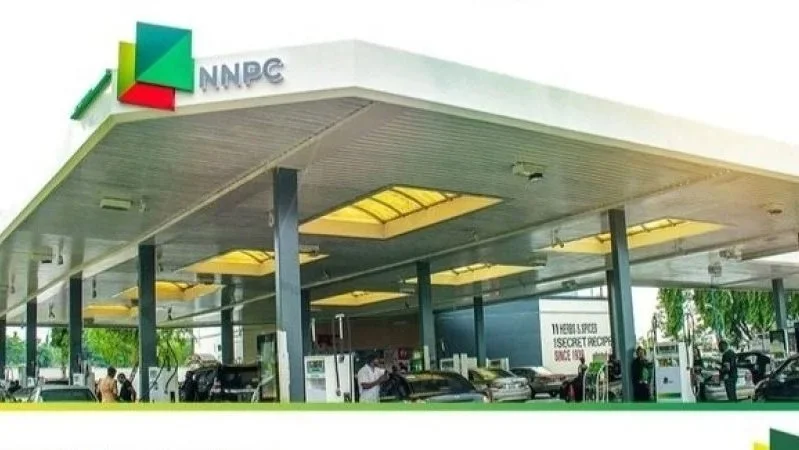
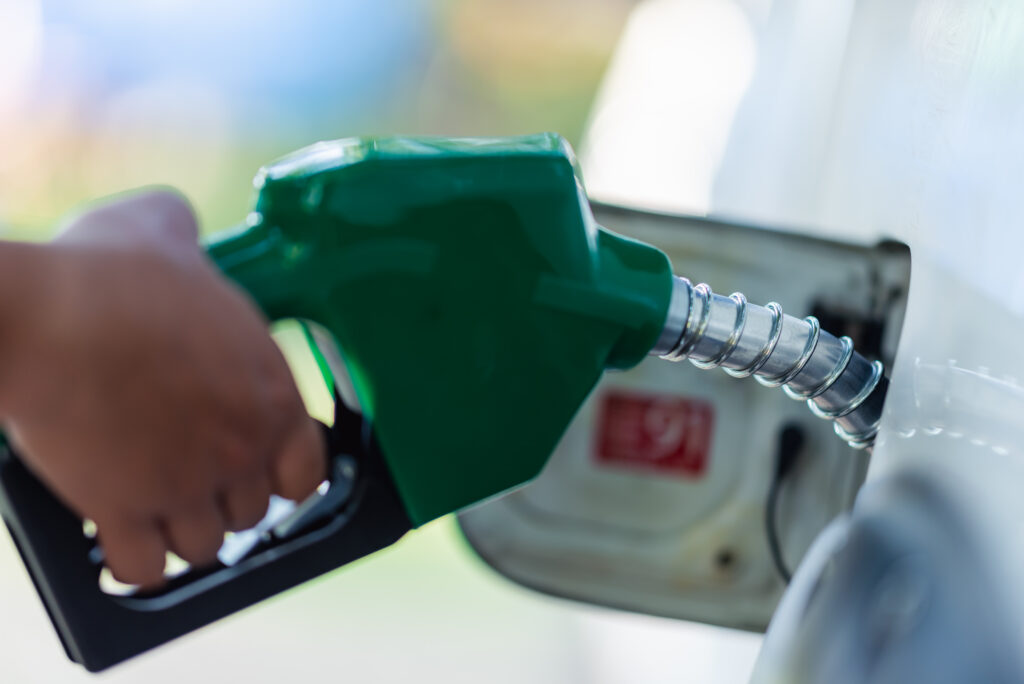
On Thursday, Oyedele disclosed that the Federal Government had introduced a 30-day discount on petrol sold by the Nigerian National Petroleum Company Limited (NNPCL).
The announcement attracted criticism from opposition politicians and other Nigerians, who accused the government of reintroducing a subsidy through the back door.
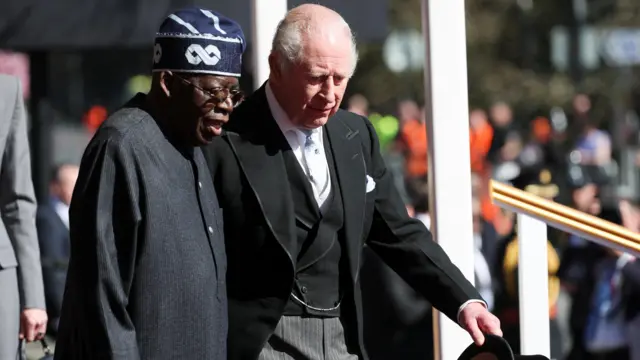
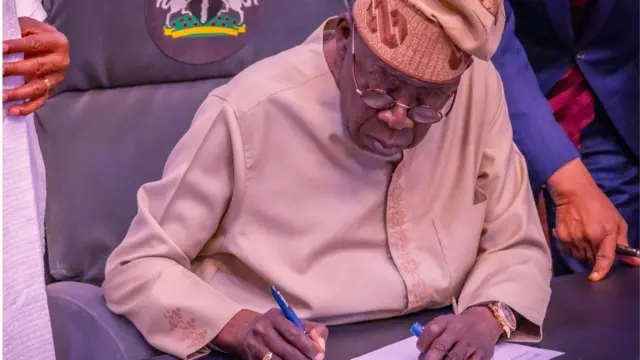
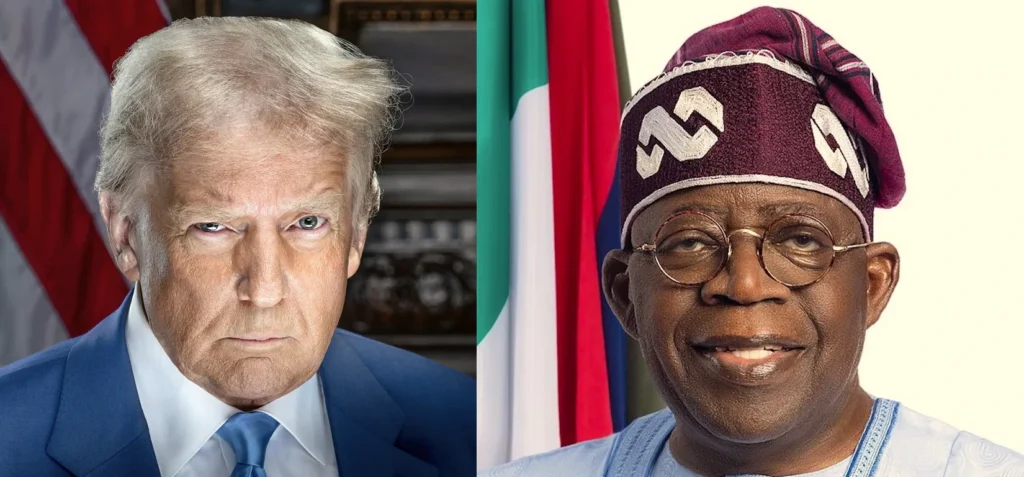
President Bola Tinubu, who is seeking a second term, introduced sweeping economic reforms after taking office in 2023. The measures included the removal of a major fuel subsidy and the floating of the naira.
Although economists have broadly supported the reforms, they have increased living costs and deepened economic hardship in Africa’s most populous country.
For some Nigerians, affordable petrol had been one of the most tangible benefits provided by the government, helping to keep down the prices of food and other goods amid decades of poor public services and corruption.
Tinubu has maintained that the reforms prevented an even greater crisis, arguing that the subsidy had become fiscally unsustainable.
Nigeria, Africa’s largest oil producer, is home to the continent’s largest refinery, owned by Africa’s richest man, Aliko Dangote.
However, petrol prices have risen to about ₦1,400 per litre, from the ₦830 recorded before the war in the Middle East. The government has done little to contain the increases, instead allowing market forces to determine prices.

