





























































































































































































































































































































































































































































































































































































































Nigeria Moves Closer to State Policing as Senate Approves Landmark Constitutional Reform


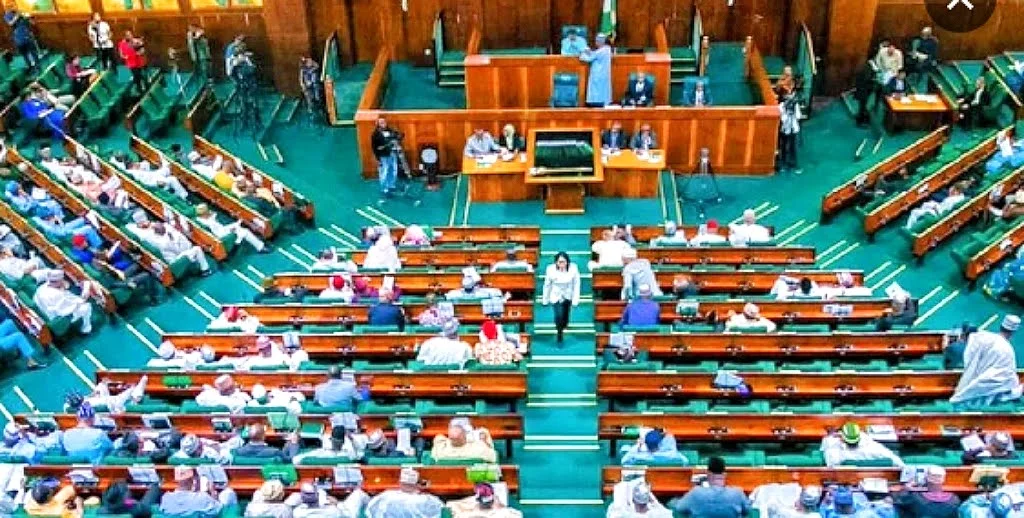
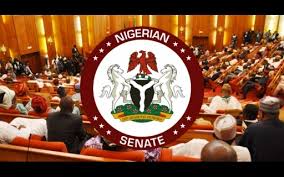
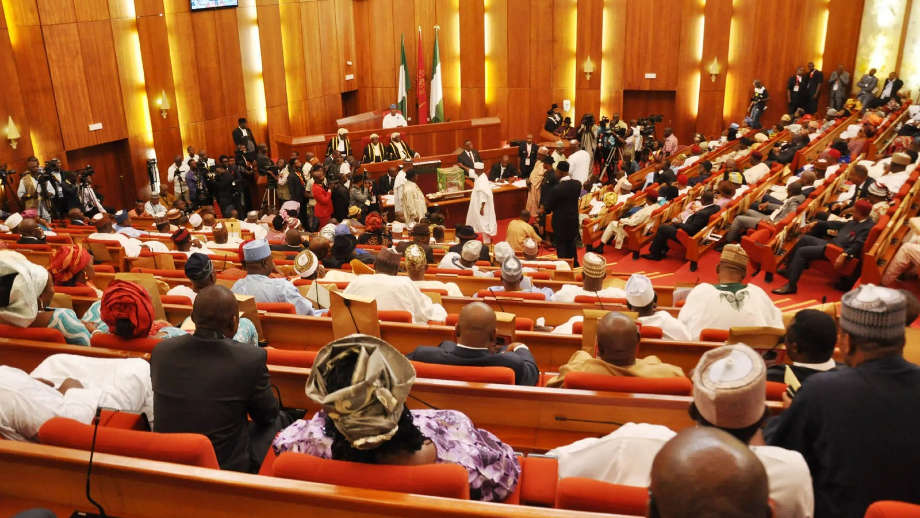
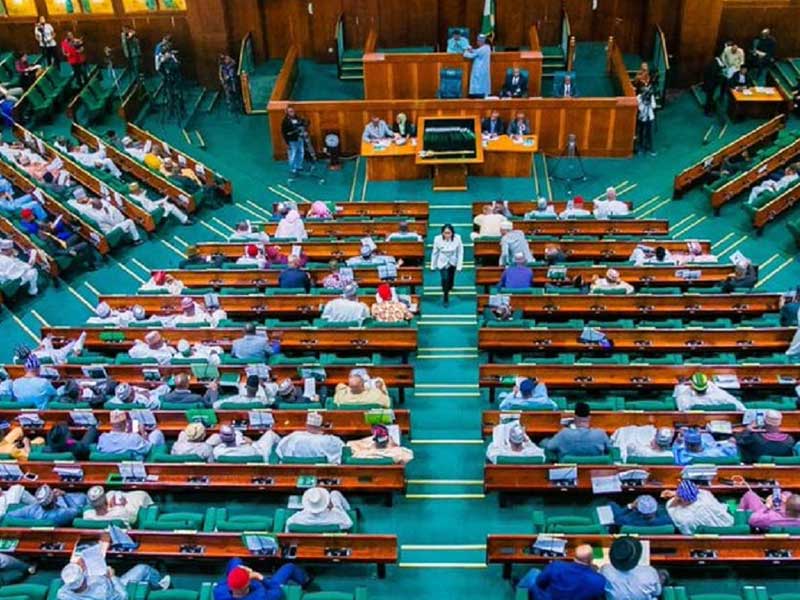
he Senate has passed a bill seeking to amend the 1999 Constitution to provide for the establishment of State Police Services across the federation, marking a significant step towards restructuring Nigeria’s policing architecture.
If enacted, the legislation will replace the existing Nigeria Police Force framework with a dual policing structure comprising a Federal Police Service and State Police Services.
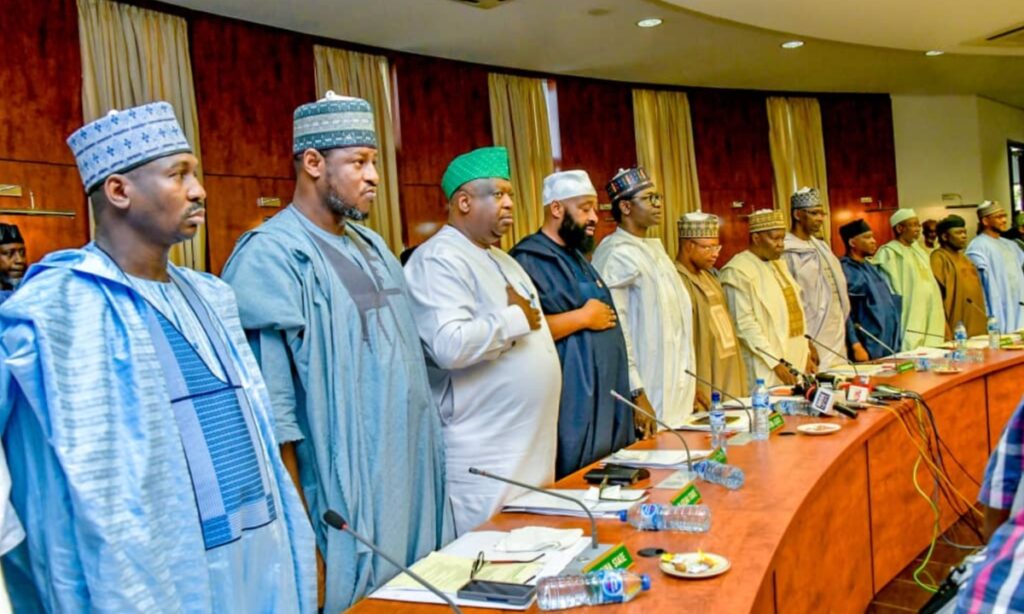
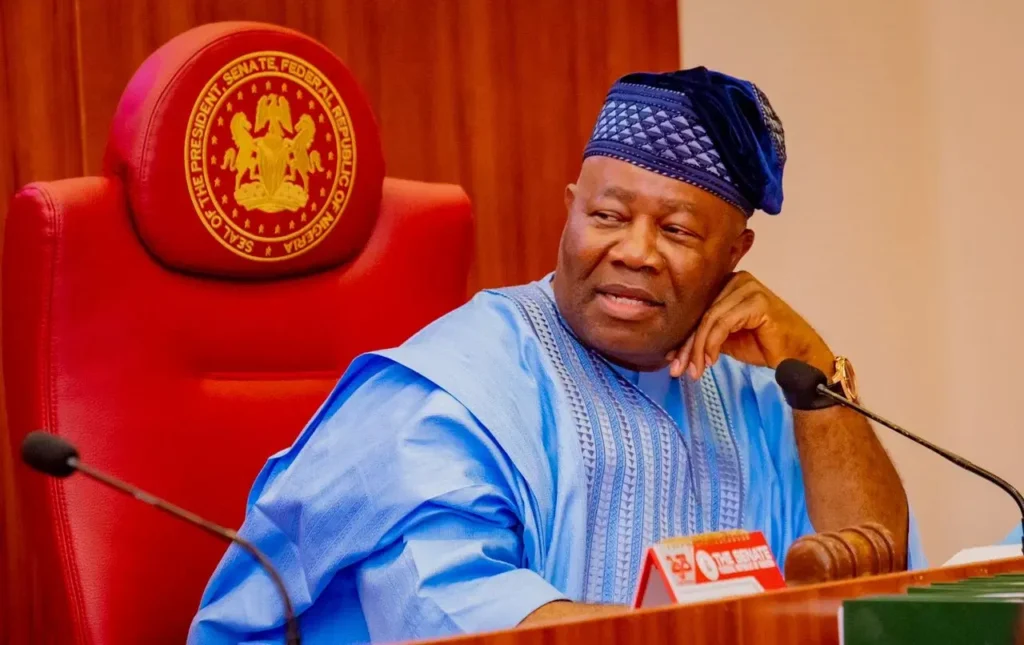
The bill was considered after Senate Leader Sen. Opeyemi Bamidele presented its general principles. It subsequently passed second reading, underwent clause-by-clause consideration, and was approved at third reading.
Its passage followed extensive deliberations, with more than two-thirds of senators voting in support of the proposed constitutional amendment.
A key provision empowers state governors to appoint Commissioners of Police for their respective states, subject to confirmation by their state Houses of Assembly.
Clause 17 of the proposed amendment provides: “A State Police Service shall be headed by a Commissioner of Police of the State appointed by the Governor of the State on the recommendation of the National Police Council, subject to confirmation by the House of Assembly of the State and to such qualifications and national minimum standards as may be prescribed by an Act of the National Assembly.”
The bill also defines the operational relationship between governors and State Police Commands. Section 17(6) states that: “A Governor may issue lawful written directives of a general policy nature to the Commissioner of Police on matters relating to the maintenance of public safety and public order within the State.”
To address concerns over potential abuse of the proposed policing structure, lawmakers incorporated safeguards aimed at protecting political freedoms and civil liberties.
Section 17(7) provides that: “A State Commissioner of Police shall not arrest, detain, investigate or deploy force against any person, political party or group merely for criticising the government except in accordance with the law.”
The provision is intended to prevent State Police formations from being used against political opponents, activists, journalists, or other dissenting voices, while ensuring that all actions comply with due process and existing legal provisions.
The bill also amends Section 214 of the Constitution to allow the Federal Police Service to intervene temporarily in a state’s internal security affairs under clearly defined circumstances. Such intervention may occur where there is an actual or imminent breakdown of public order or public safety that the State Police Service is unable or unwilling to contain, or where the state governor formally requests federal assistance.
It further provides that: “An intervention under subsection (10) of this section shall be authorised in writing by the President and shall state the grounds, territory, functions and duration of the intervention; and notice of the intervention shall be given to the Governor of the State, the Speaker of the House of Assembly of the State, the National Police Council and the National Assembly within forty-eight hours of the commencement of the intervention.
“No intervention under subsection (10) of this section shall continue beyond such period as may be prescribed by an Act of the National Assembly unless approved by resolution of the Senate in the manner prescribed by that Act,” it states.
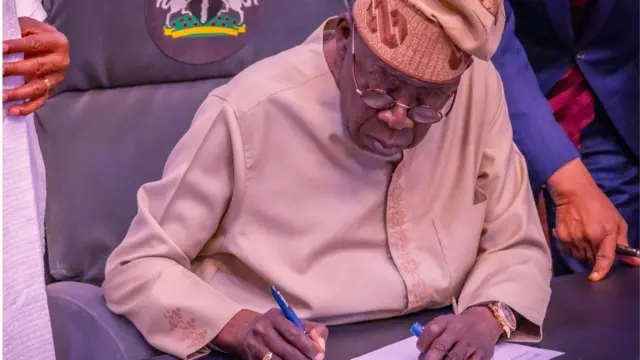
The Senate’s approval came a day after President Bola Tinubu transmitted the bill to the National Assembly as part of his administration’s efforts to reform Nigeria’s security architecture.
According to the President, the proposed legislation provides the legal framework for a dual policing system that would enable states to establish and operate their own police services alongside the Federal Police Service.
He said the constitutional amendment forms a critical part of ongoing efforts to reorganise the country’s policing system, strengthen security, and improve the protection of citizens. The President added that communities, municipalities, and local government areas would assume more active roles in maintaining security under the proposed arrangement.
The development advances the Federal Government’s long-standing efforts to create a workable framework for state policing, a proposal widely advocated as a means of improving internal security, strengthening grassroots intelligence gathering, and enhancing the capacity of state governments to respond to emerging threats.
Nigeria’s policing system is currently centrally controlled by the Federal Government through the Nigeria Police Force. However, worsening insecurity has intensified calls for a decentralised policing structure.
President Tinubu has previously described the establishment of state police as inevitable in addressing the country’s security challenges and urged lawmakers to expedite consideration of the necessary constitutional amendments.
Supporters argue that state police would strengthen local intelligence gathering, promote community-based policing, and enable faster responses to crime and emergencies.
Critics, however, warn that the system could be vulnerable to political interference by state governors, funding challenges, and the risk of exacerbating ethnic or communal tensions.
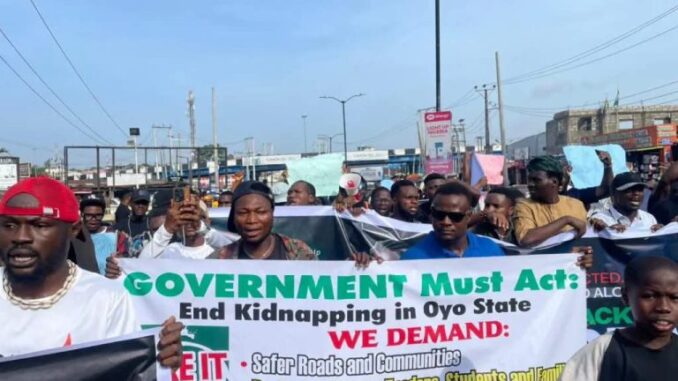
The renewed push for state police comes amid growing public concern over insecurity and increasing incidents of mass kidnappings across parts of the country.