
































































































































































































































































































































































































Obasanjo, Tinubu Differ on Nigeria’s Power Crisis

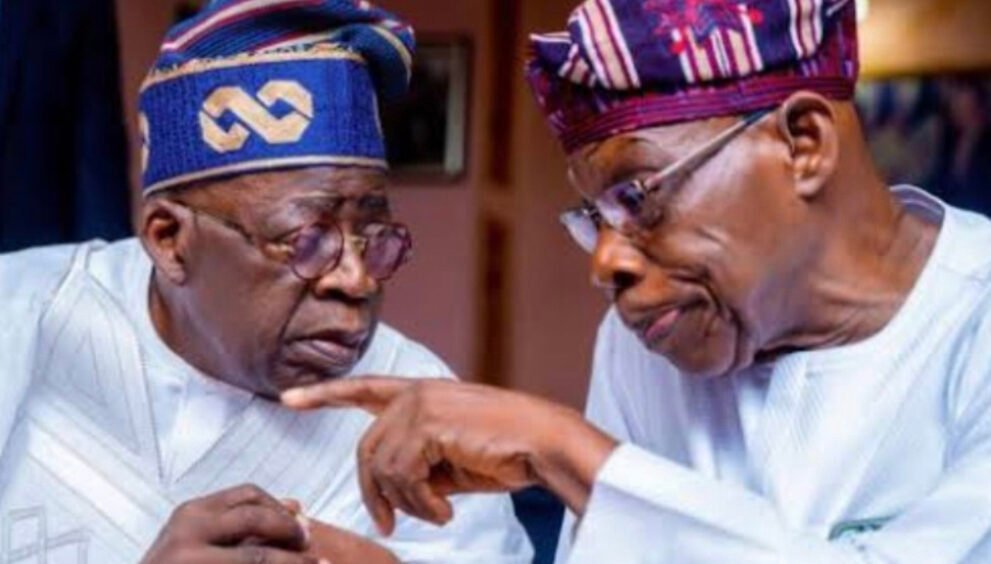
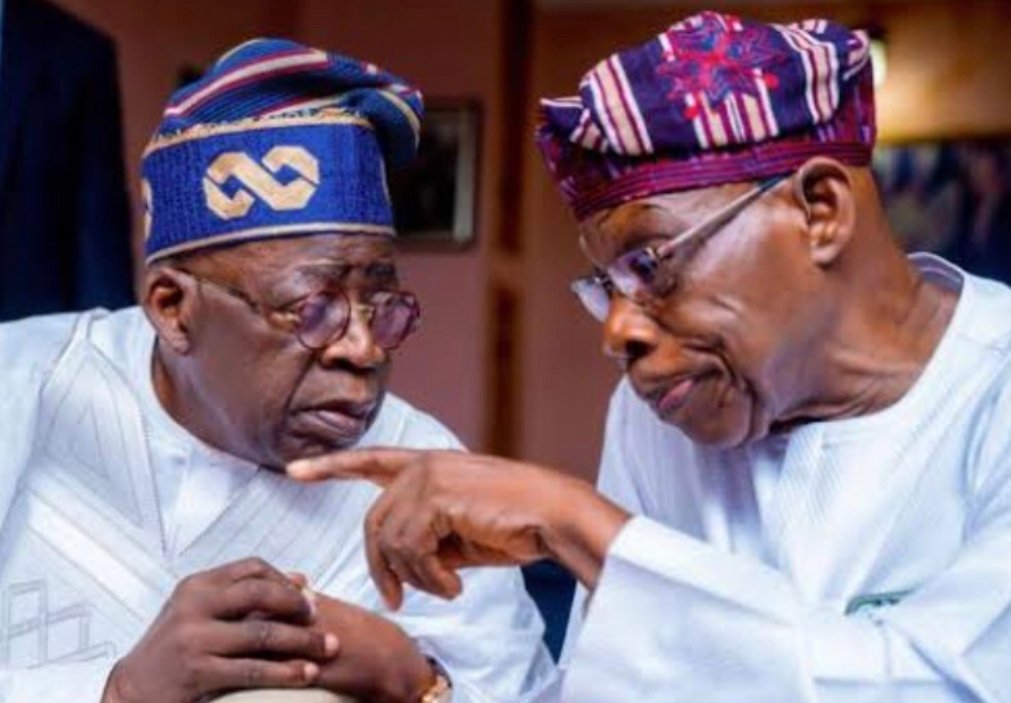
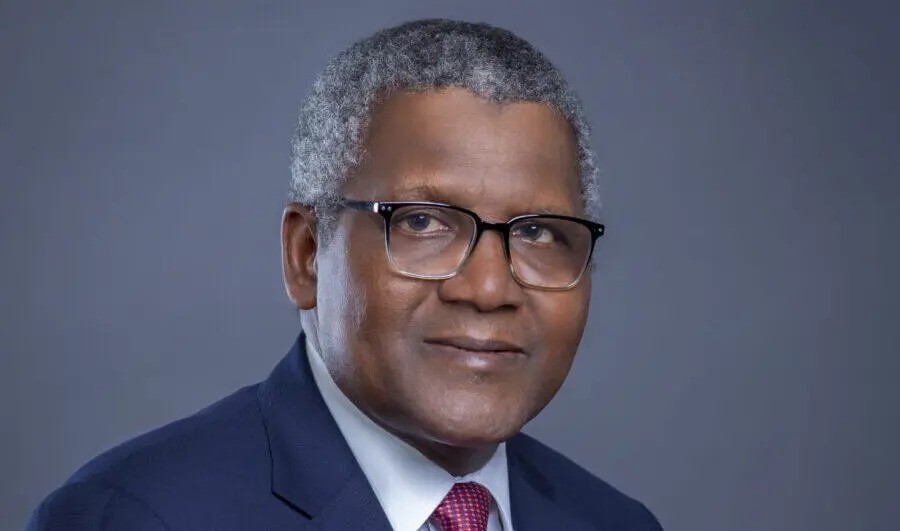
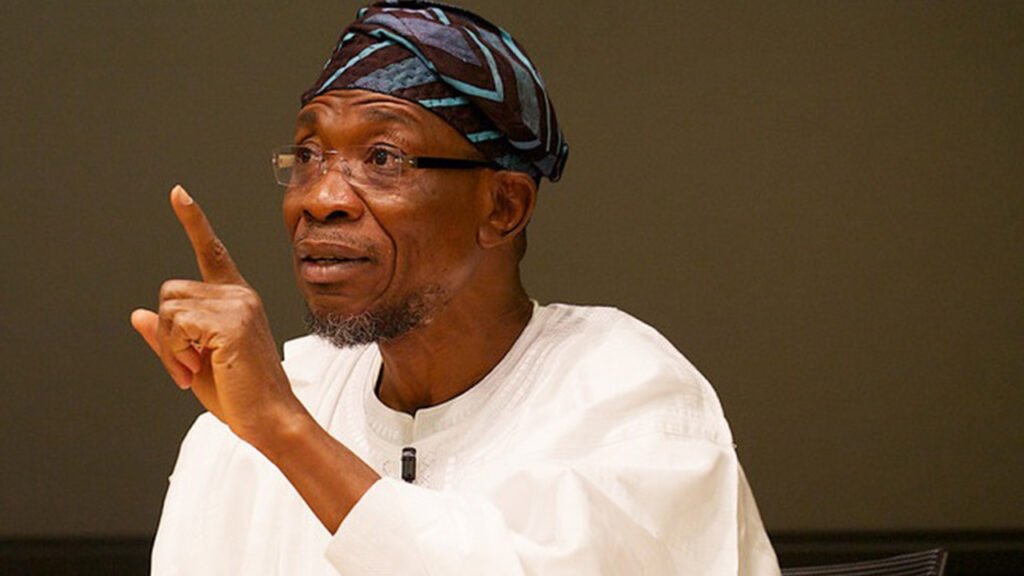
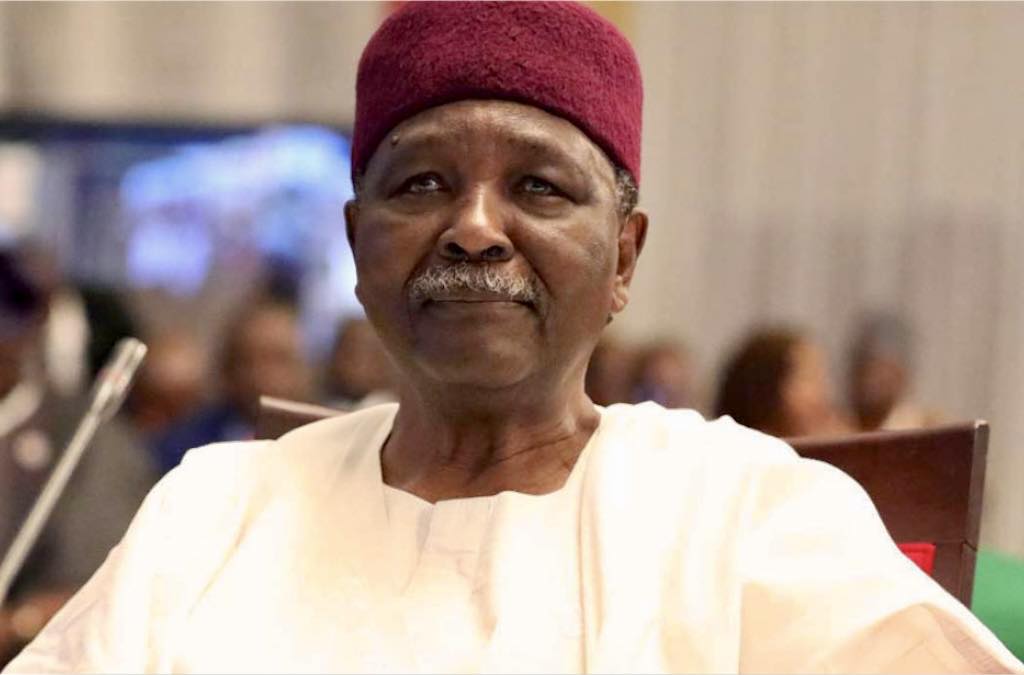
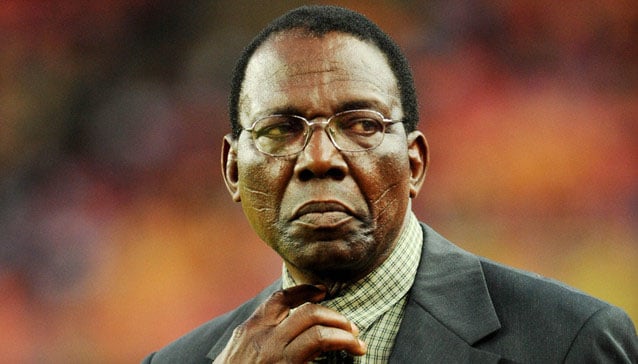
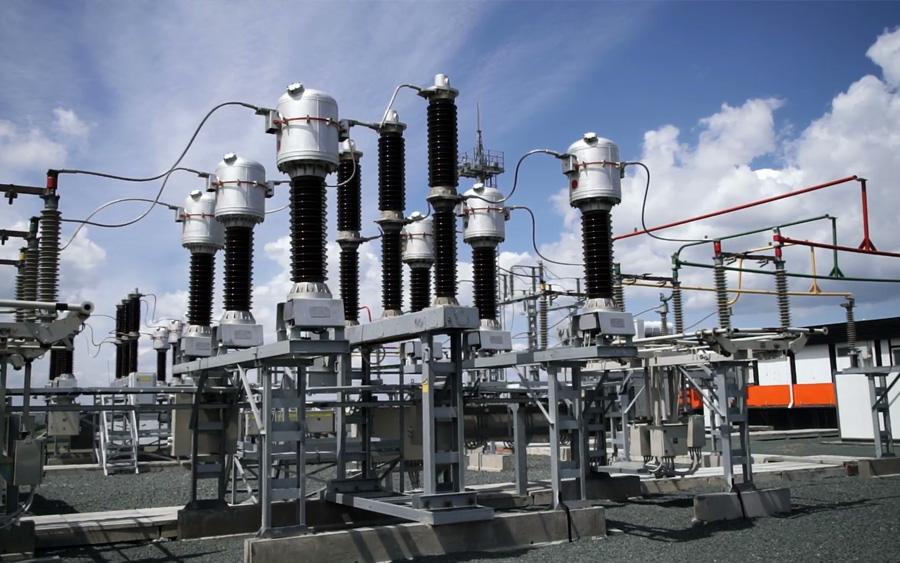
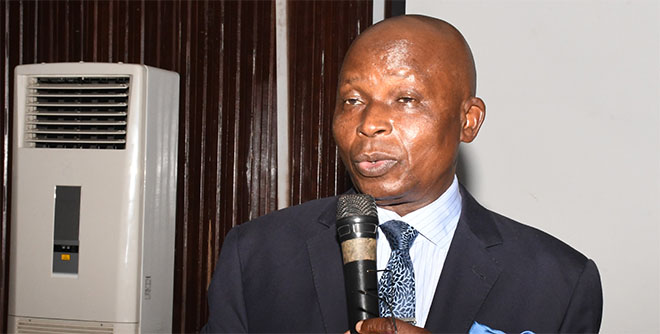
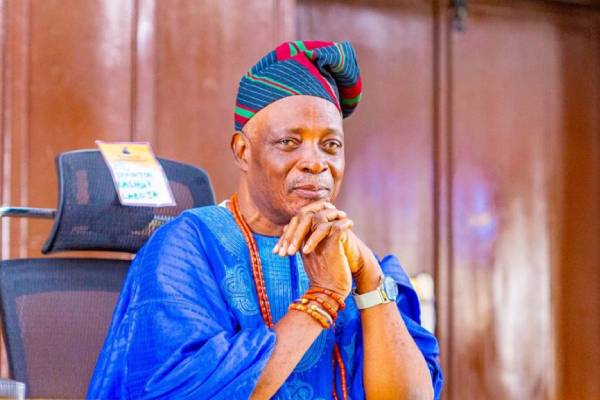
Former President Olusegun Obasanjo has called for greater private sector participation in Nigeria’s energy sector, arguing that the country will not overcome its persistent electricity crisis until government relinquishes its dominant role in the industry.
His position comes as President Bola Tinubu has renewed his promise to deliver reliable electricity, pledging to address the country’s power challenges if re-elected in 2027.
The contrasting remarks have brought renewed attention to Nigeria’s longstanding electricity crisis, which continues to constrain economic growth, industrial development and business operations.
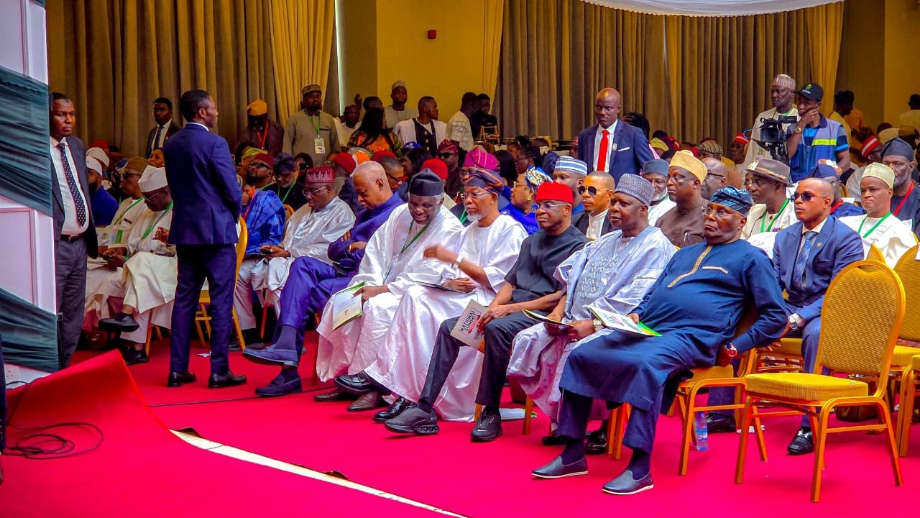
Obasanjo spoke at the Youth Governance Dialogue, themed “African Youth and Renaissance”, held at the Youth Development Centre of the Olusegun Obasanjo Presidential Library in Abeokuta, Ogun State.
He argued that Nigeria should adopt the approach used to transform the telecommunications industry by transferring greater responsibility to private operators.
According to him, government intervention alone has failed to resolve the electricity challenge, making private sector leadership necessary for meaningful progress.
“Government has tried, just like government tried with telecommunications, until we put it in the hands of the private sector, we didn’t solve it.
“And I believe that until we put energy in the hands of the private sector, we won’t solve it,” he said.
The former president described energy as a critical driver of economic growth and national development, lamenting that Nigeria had made insufficient progress in addressing its power challenges.
He, however, expressed optimism that young Nigerians with innovative business and technological ideas could contribute to resolving the crisis, urging them to translate their ideas into practical solutions.
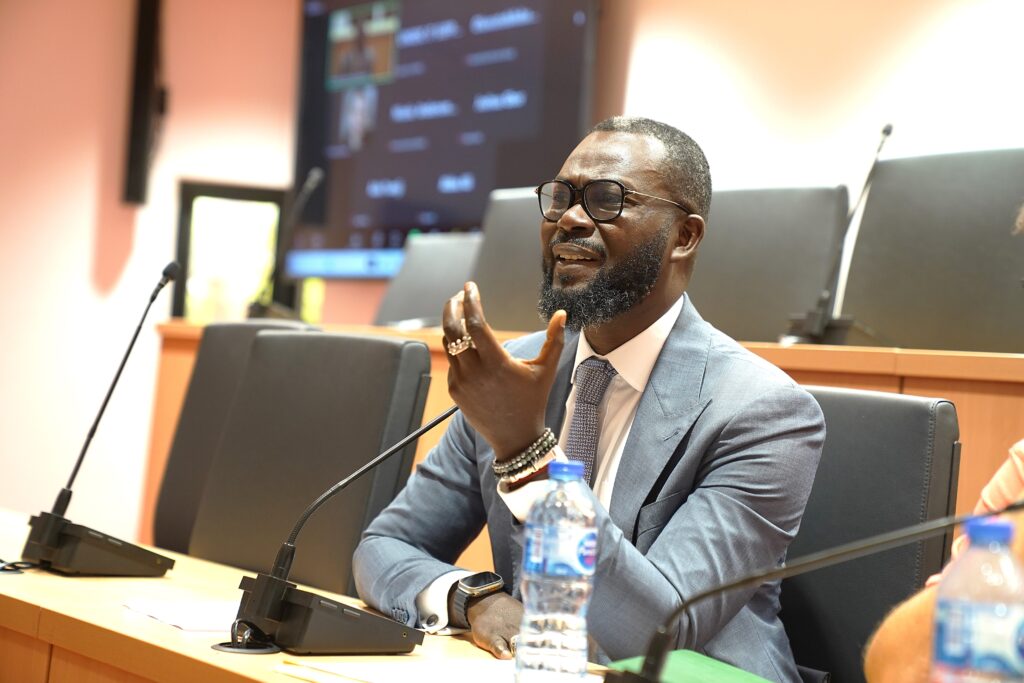
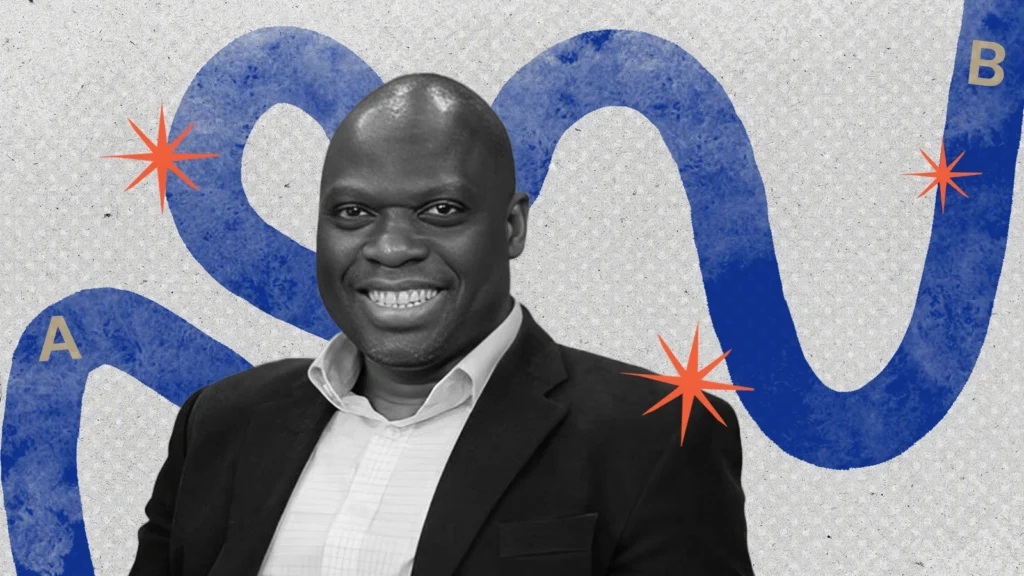
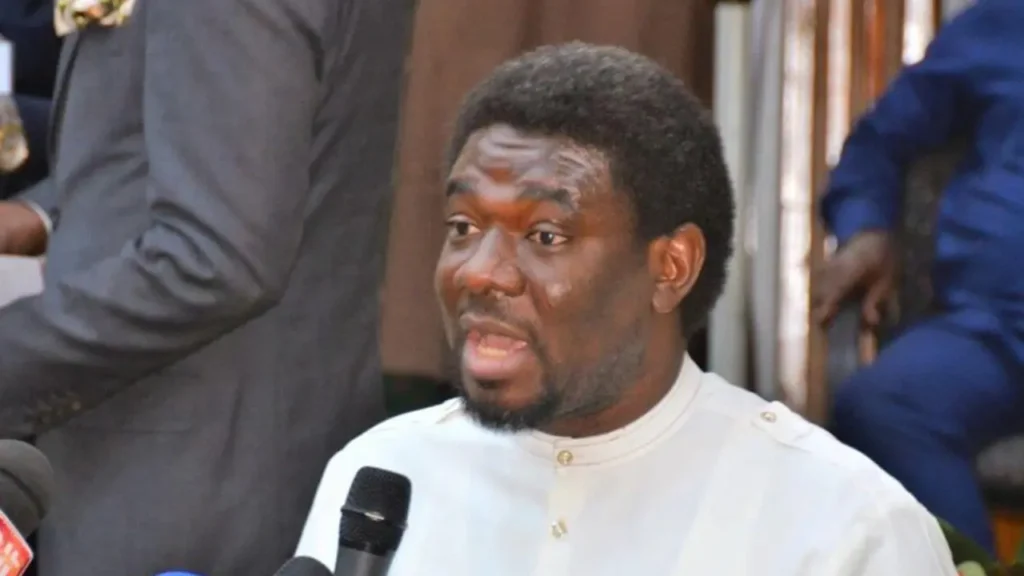
Speaking at the same event, a resource person, Oluwaseun Obasanjo, also identified innovation, technology and entrepreneurship as important tools for addressing Nigeria’s developmental challenges.
He said the country’s large population and consumer market offered significant opportunities for young entrepreneurs, despite obstacles such as inadequate electricity and infrastructure.
He challenged young Nigerians to develop home-grown solutions capable of competing with foreign businesses seeking opportunities in the country.
“The market in Nigeria is huge. And if foreign companies are coming in every day to take advantage of this market, what can you, as youth, do to be able to succeed in this same market?” he asked.
He encouraged young people to identify problems in their workplaces and communities and turn them into innovative solutions capable of generating economic value.
“Every problem we have is an opportunity to have innovation, not just in Nigeria, across Africa, because we have similar problems,” he said.
Oluwaseun also warned that young people who failed to embrace modern technology and artificial intelligence risked being left behind in an increasingly technology-driven economy.
“If you are not utilising technology, you will be left behind,” he cautioned.
He said although artificial intelligence could replace workers performing routine tasks, it could also improve productivity and business operations for those willing to adapt.
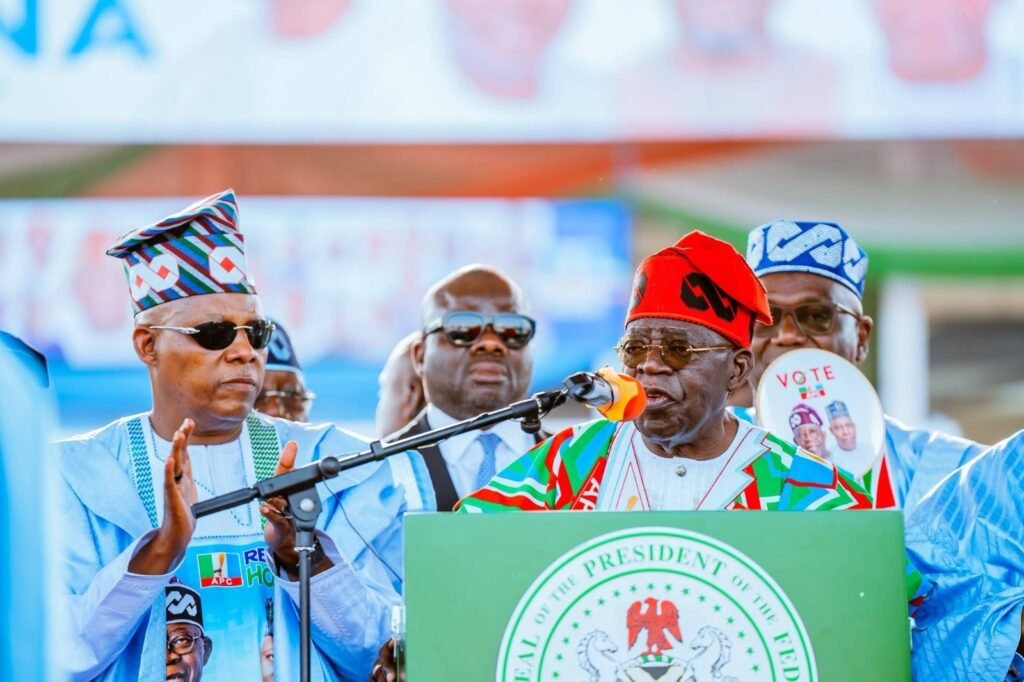
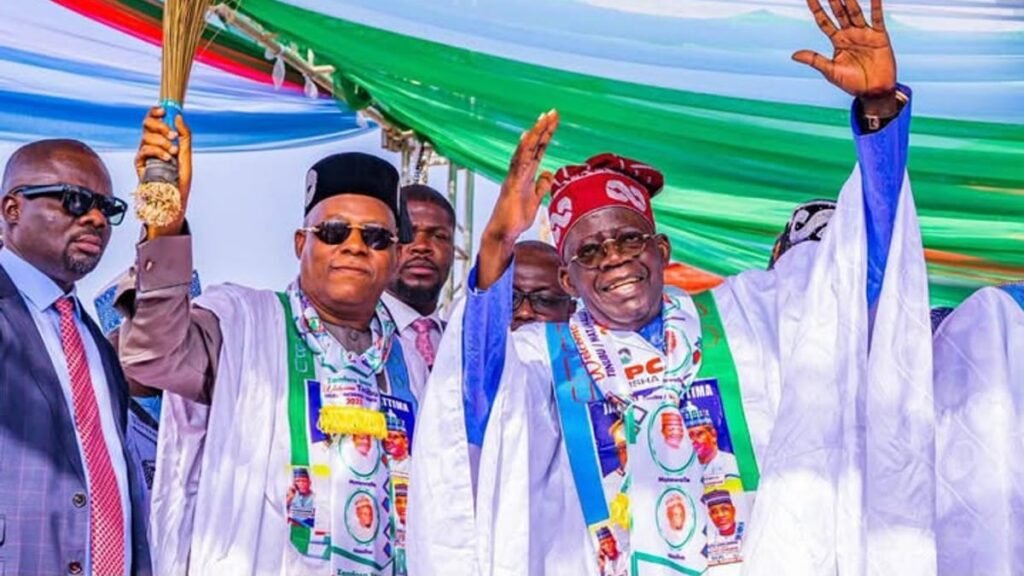
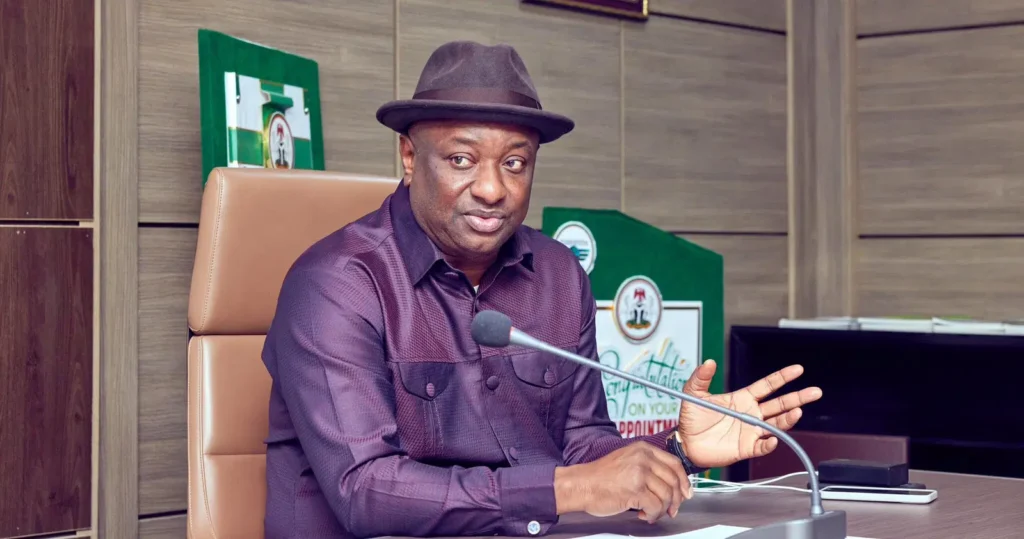
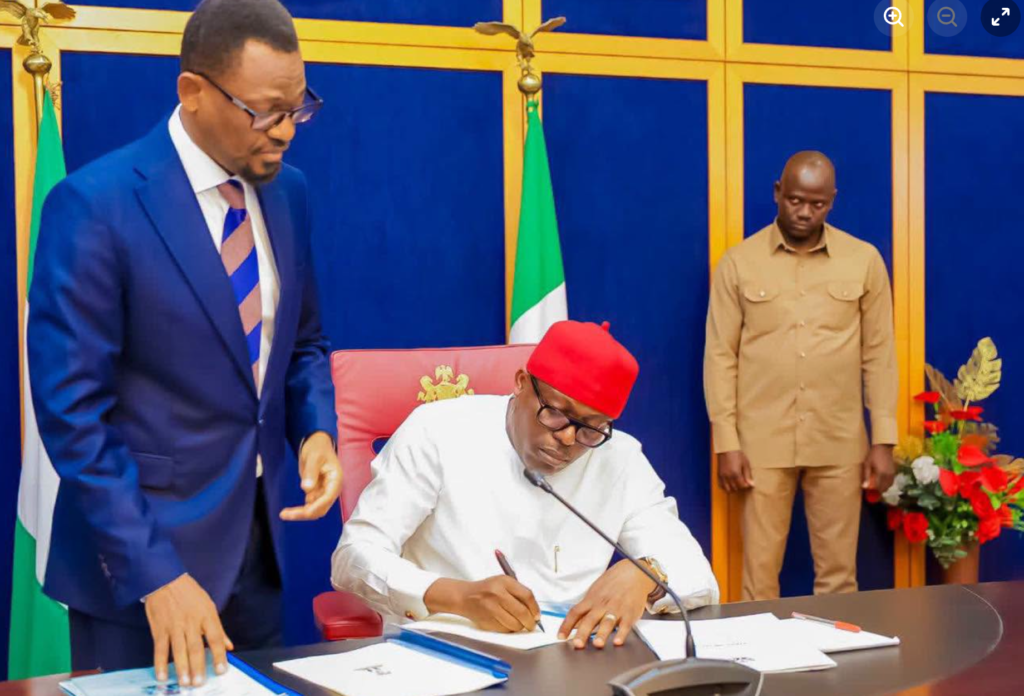
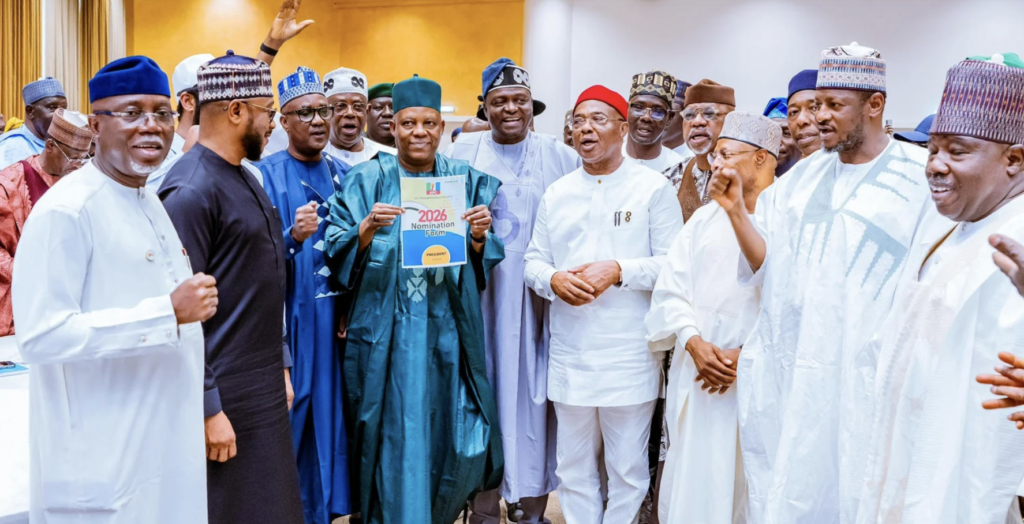
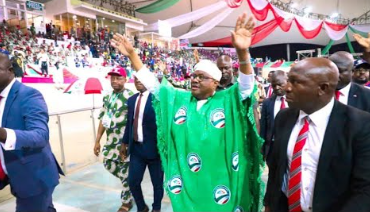
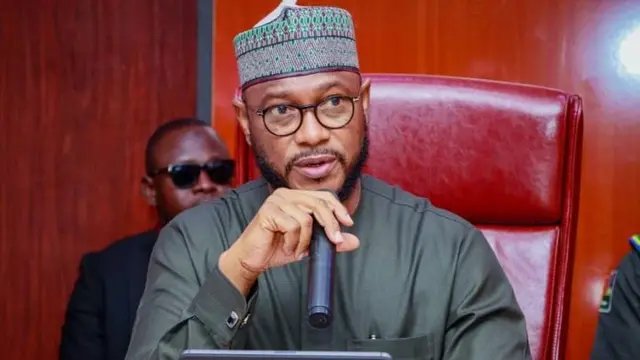
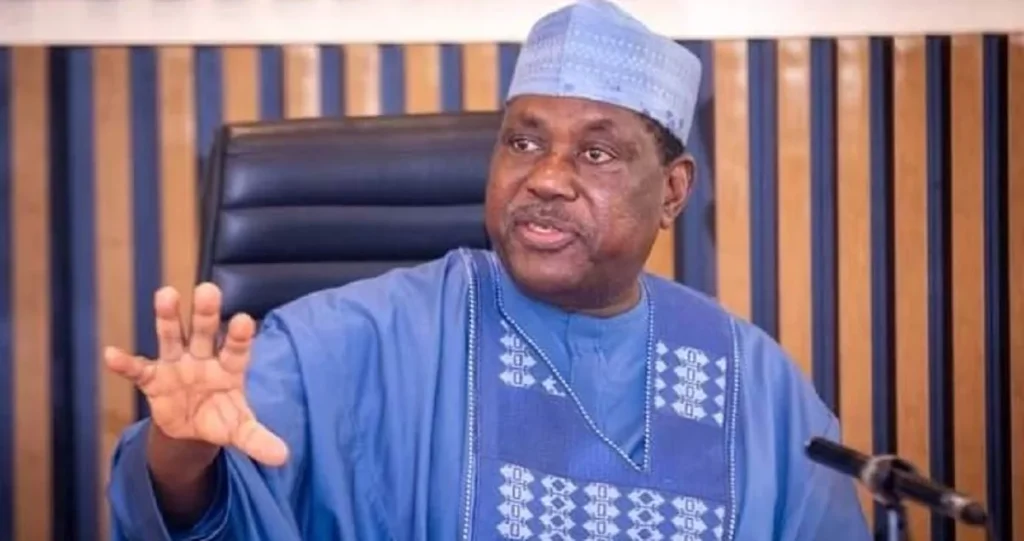
Against this backdrop of calls for structural changes in the energy sector, Tinubu, speaking at an All Progressives Congress campaign rally in Dutse, Jigawa State, on Tuesday, promised Nigerians a more reliable electricity supply if given another mandate in 2027.
The President also pledged to strengthen the country’s industrial base, support small and medium-scale enterprises, and expand employment opportunities.
“We will reduce the cost of living. We will provide reliable power, not the whole privatisation that is not working. We provide you with reliable power in this Nigeria,” he said.
Tinubu’s remarks suggest that his administration intends to pursue an approach to the electricity crisis that does not rely solely on the privatisation model.
He also promised to support nano, small-scale and medium-scale businesses to stimulate economic activity and create more jobs.
“We will stimulate a stronger industrial base for our country. We will help nano, small-scale and medium-scale businesses. We will expand job opportunities for real income earners,” he said.
The President’s latest pledge comes amid renewed scrutiny of his earlier campaign commitment to improve electricity supply and end estimated billing.
During a meeting with members of the Organised Private Sector in Lagos ahead of the 2023 general election, the then presidential candidate promised that Nigerians would have electricity and would no longer pay estimated bills.
“Whichever way, by all means necessary, you will have electricity, and you will not pay for estimated bills anymore. A promise made will be a promise kept,” Tinubu said.
He added that Nigerians should not vote for him for a second term if he failed to fulfil the promise, unless he provided adequate reasons for not delivering.
“If I don’t keep the promise and I come for a second term, don’t vote for me, unless I give you adequate reasons why I couldn’t deliver,” he said.
The statement has since become a subject of political debate as Tinubu seeks re-election in 2027, with critics interpreting it as a commitment not to seek a second term if he failed to provide stable electricity.
However, the APC Presidential Campaign Council, in a statement issued on November 1, said the President’s remarks had been taken out of context.
The council’s spokesperson, Dele Alake, argued that some commentaries had omitted the concluding qualification in which Tinubu said he would provide Nigerians with adequate reasons if he failed to deliver on the promise.
Alake also listed the Electricity Act 2023, the Presidential Metering Initiative, efforts to settle legacy debts in the power sector and investments in transmission infrastructure as steps taken by the administration.
While acknowledging that efforts to resolve the electricity crisis were still ongoing, he insisted that Tinubu remained committed to his pledge.
“As he seeks Nigerians’ mandate for a second term in office, he will proudly present his scorecard in the power sector and clearly tell Nigerians what remains to be done,” Alake said.
As the 2027 election approaches, electricity supply is likely to remain a major issue in assessing the Tinubu administration’s performance and its prospects for another term.
Obasanjo’s argument that private sector leadership is indispensable, alongside Tinubu’s promise of reliable electricity, highlights the continuing debate over the most effective approach to resolving Nigeria’s power crisis.