






































































































































































































































































































































































































































































































































Ebola Returns to Nigeria as FG Confirms Imported Case in Abuja


The Federal Government has confirmed a case of Ebola virus disease in the Federal Capital Territory (FCT), following laboratory tests on a woman who recently travelled to Nigeria from Uganda.
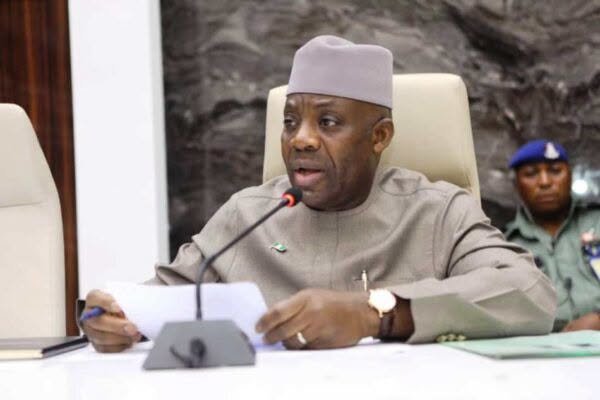
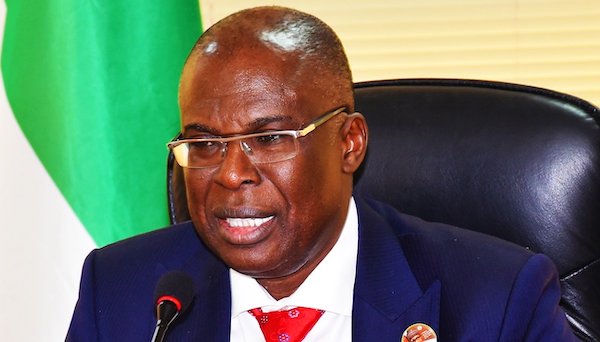
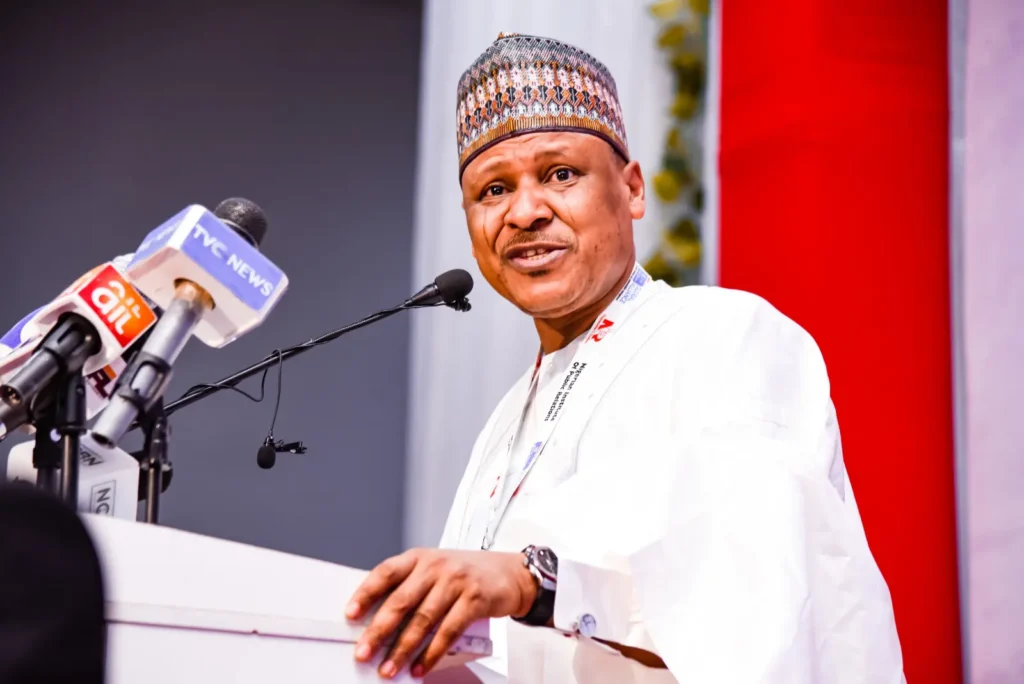
The Coordinating Minister of Health and Social Welfare, Muhammad Pate, disclosed this at a media briefing in Abuja on Tuesday, saying the imported infection had been confirmed through laboratory testing.
Pate said the patient had recently travelled to East Africa, particularly Uganda, and returned to Nigeria with symptoms on October 7. Her condition worsened four days later, prompting further medical attention before tests confirmed the infection.
The patient is currently in isolation and receiving medical care, while contact tracing has commenced. Forty-four contacts have already been identified, and surveillance is being strengthened at the country’s entry points.
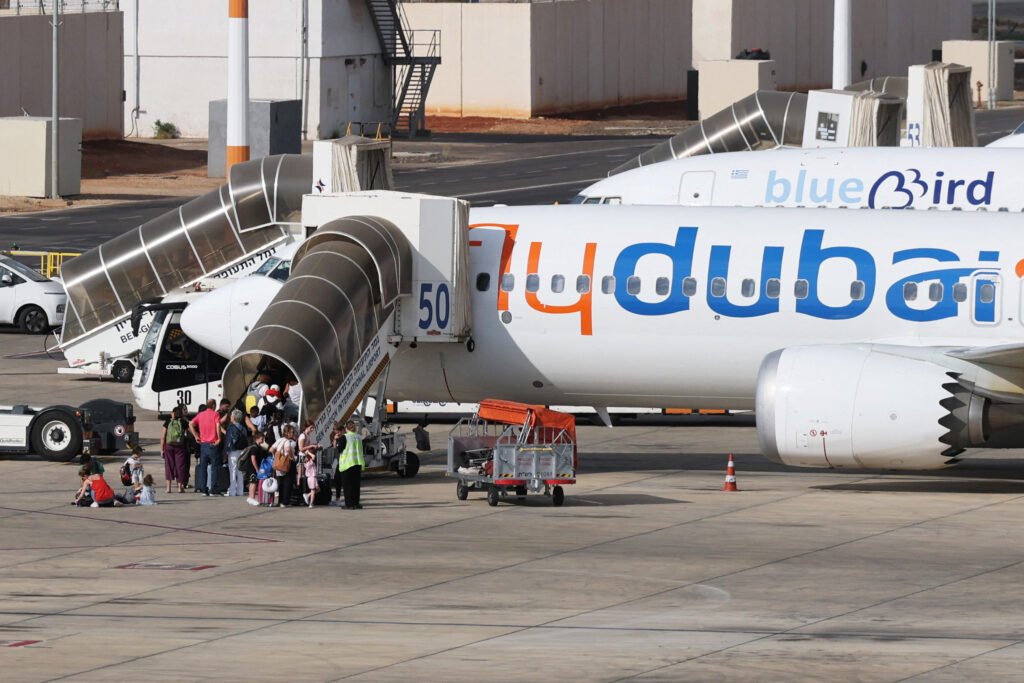
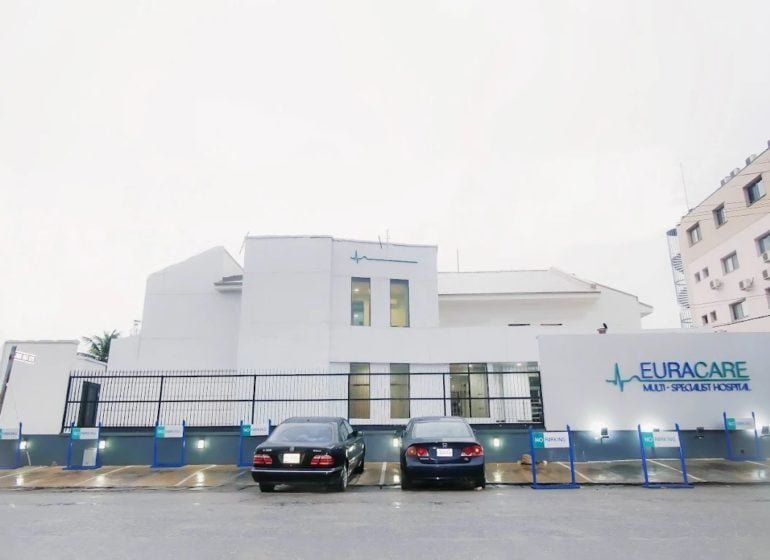
“The patient, a woman who recently arrived in Nigeria on an international flight from Uganda, was admitted to a private hospital … where she received care for several days before the diagnosis was confirmed,” a government statement said.
“She is currently in isolation and receiving medical care.”
Pate said the Federal Ministry of Health and Social Welfare, the FCT Health Secretariat, the Africa Centres for Disease Control and Prevention, and other partners were working together to contain the infection and prevent further transmission.
Urging public and private health facilities to remain on high alert, the minister stressed that health workers must maintain a high index of suspicion for possible cases. He also called on Nigerians to remain calm and vigilant.
He advised the public to observe good hygiene, watch out for symptoms such as fever, weakness, headache, and diarrhoea, and cooperate with public health officials.
Pate said the situation was being managed, adding that the government would provide timely and transparent updates as efforts to contain the virus continued.
He said Nigeria was drawing on its experience in containing the 2014 Ebola outbreak and the public health mechanisms established over the years. All identified contacts, he added, were being traced and monitored.
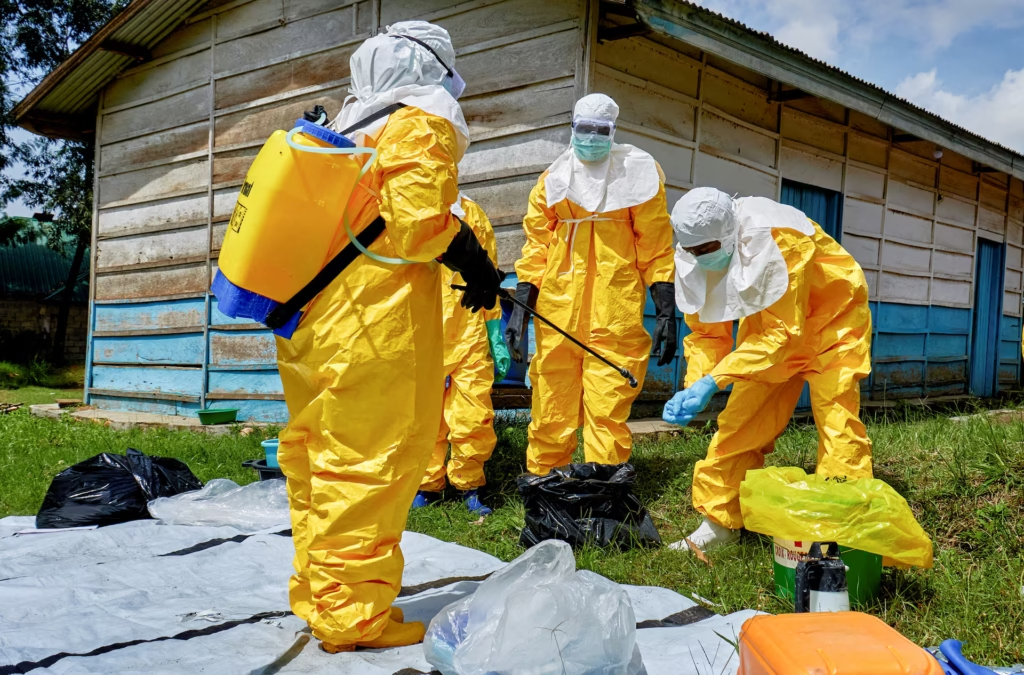
The announcement follows an outbreak of the disease in the Democratic Republic of the Congo (DRC) in May. Since then, the deadly viral haemorrhagic fever has spread to several countries across the continent, including neighbouring Uganda.
Kenya’s Ministry of Health, meanwhile, reported the ninth Ebola case of the outbreak on Tuesday.
“This Ebola Bundibugyo outbreak has already become the most geographically widespread Ebola outbreak in history, affecting multiple countries across three regions of Africa,” said Jean Kaseya, Director-General of the Africa CDC.
The Ebola epidemic in the DRC has become the deadliest in the country’s history in several months, killing 4,381 people out of more than 9,000 confirmed cases, according to health authorities.
Following the outbreak, the Nigeria Centre for Disease Control and Prevention (NCDC) heightened its vigilance and reviewed the country’s preparedness measures.
“While the case was linked to the ongoing outbreak in the Democratic Republic of Congo (DRC), its detection in Kenya underscores the risk of international importation through travel and population movement, including the possibility of importation into Nigeria,” the agency stated.
“Kindly note, as of October 6, 2026, there is no confirmed case of Ebola disease in Nigeria,” it added.
Nigeria recorded its first case of Ebola in 2014.