




































































































































































































































































Ajaero Urges FG to Review Minimum Wage as States Pay Above ₦70,000


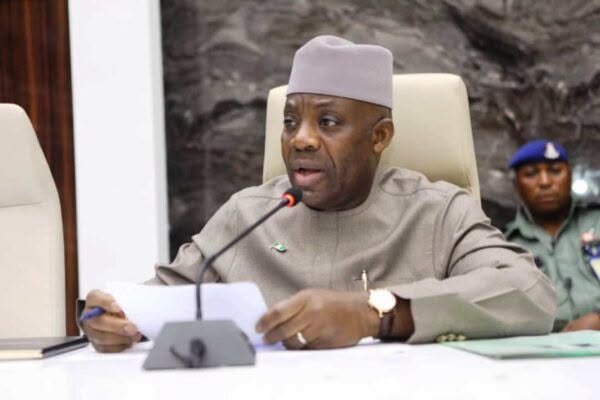
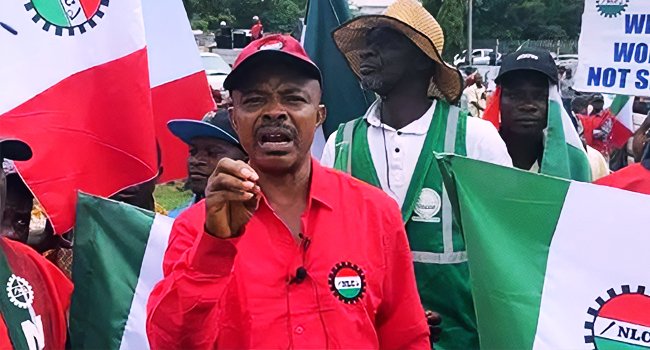
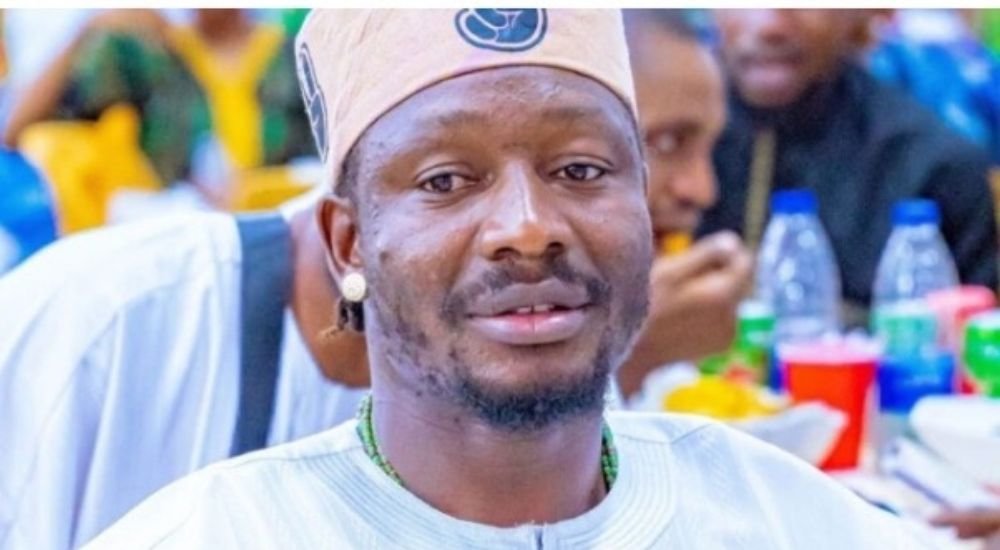
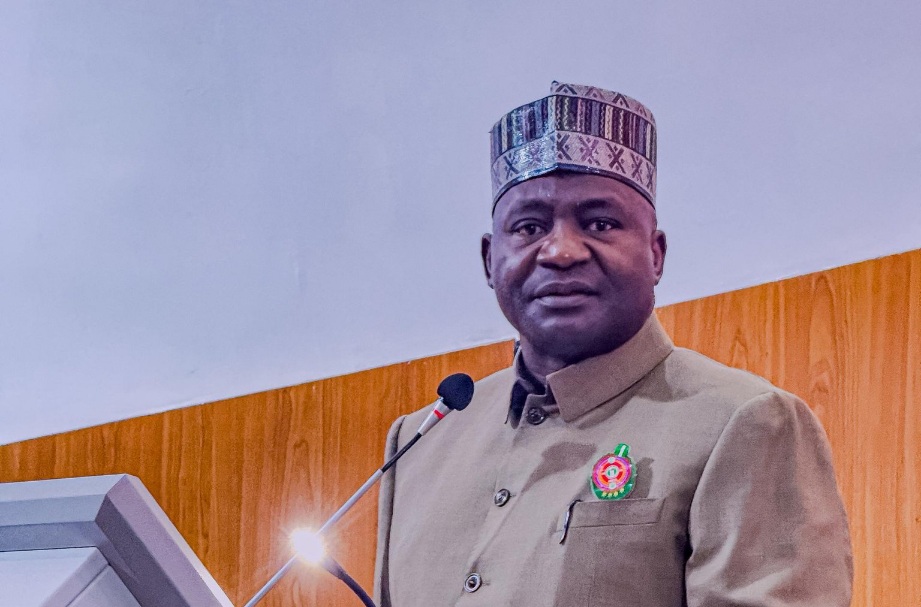
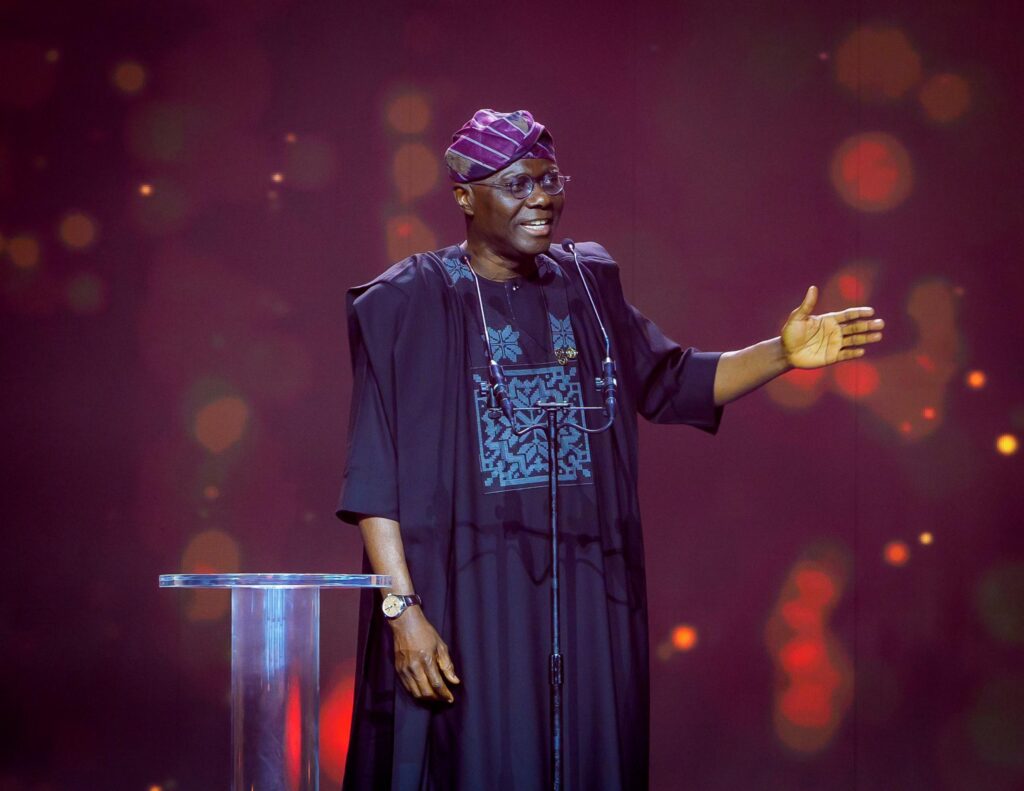
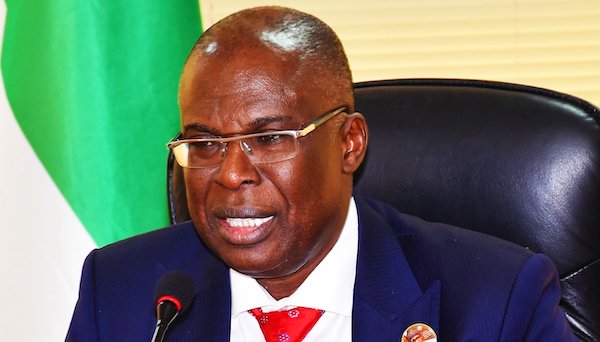
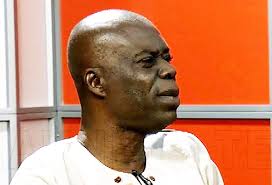
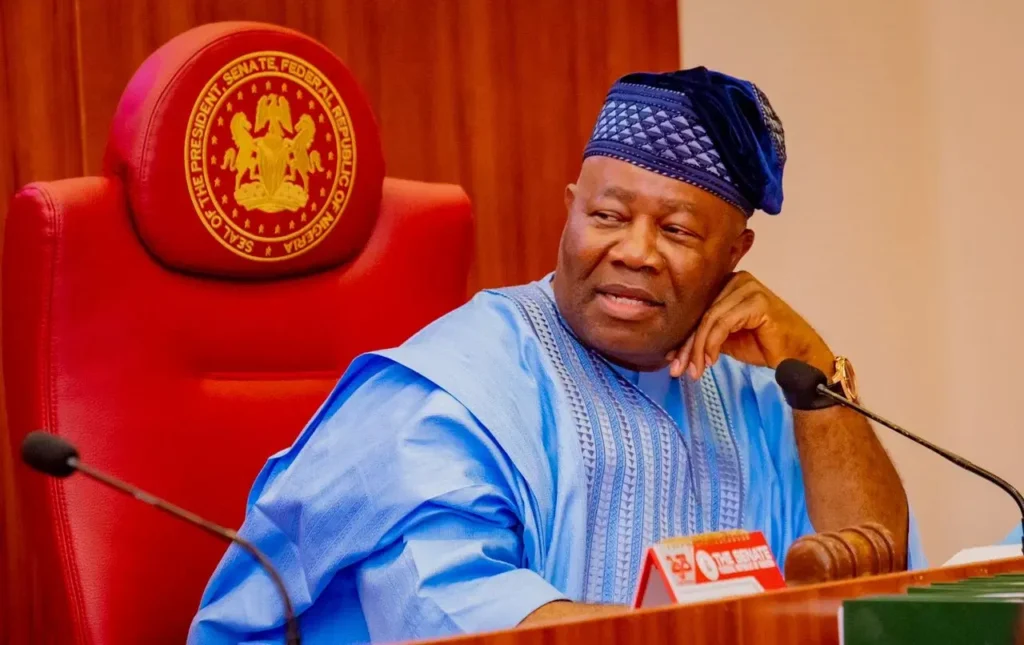
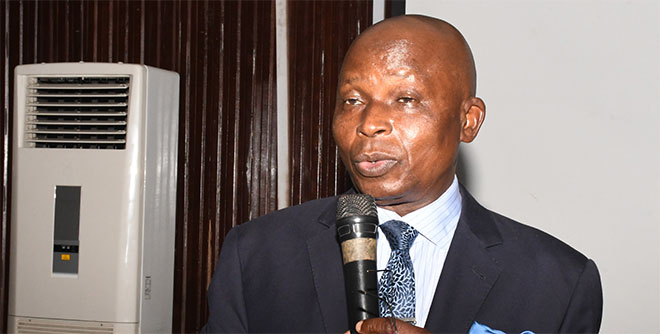
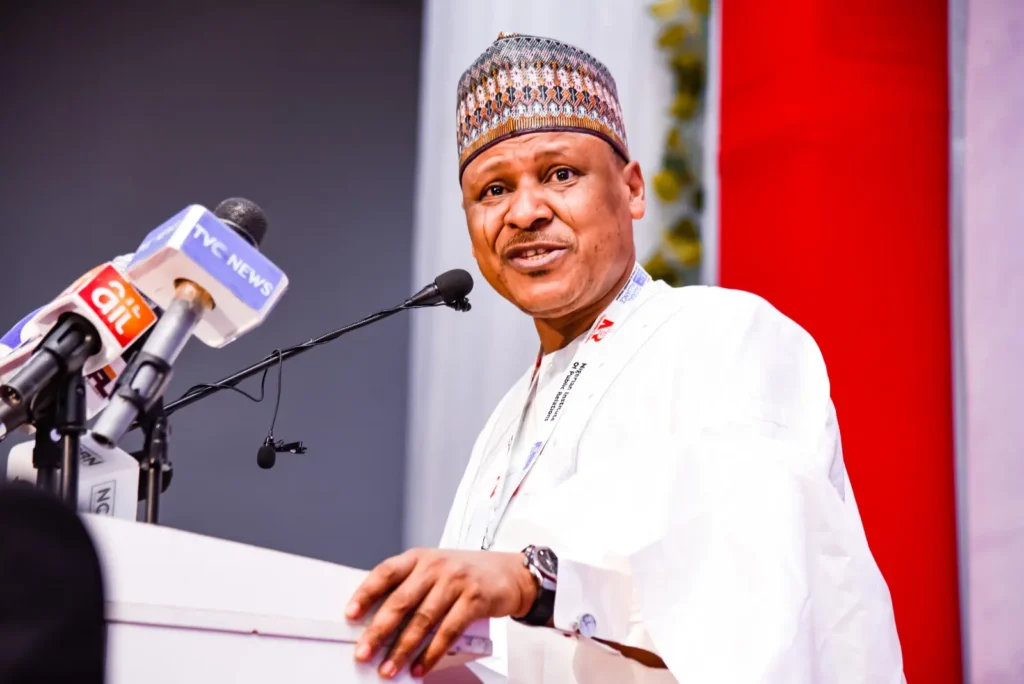
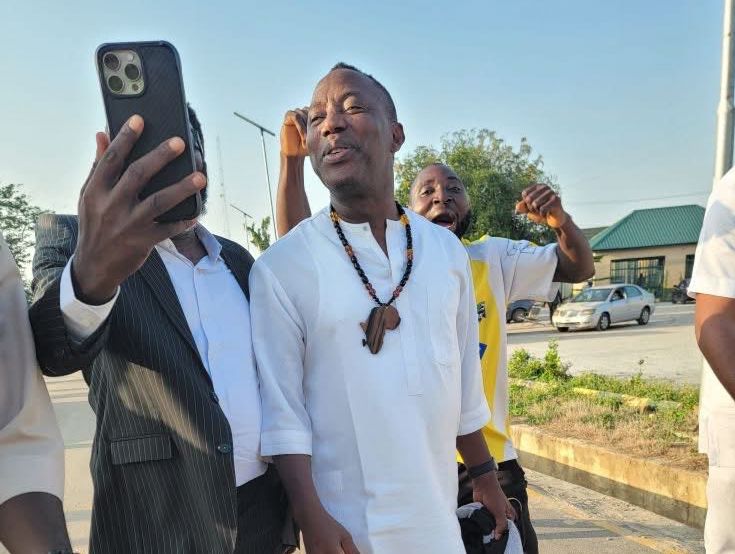
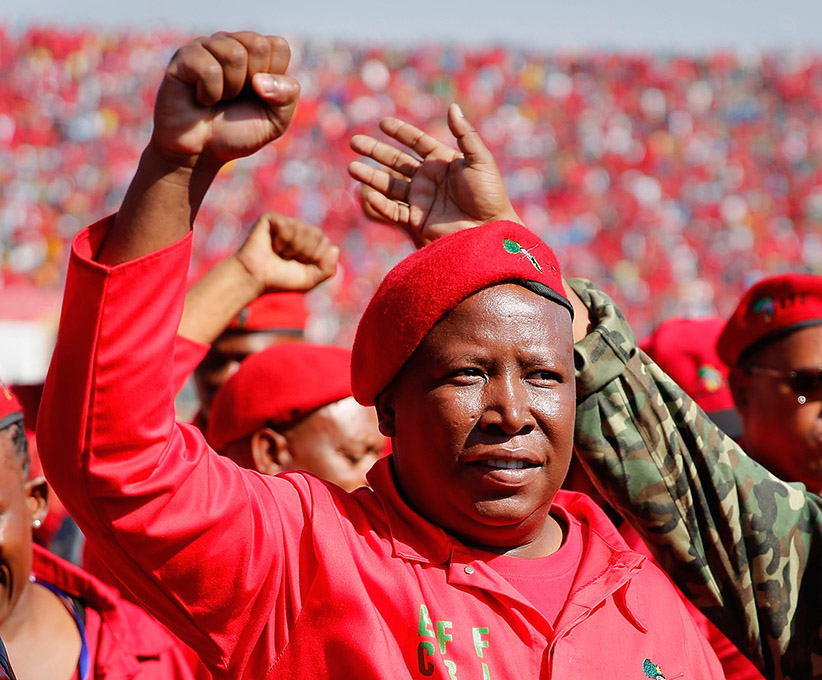
The President of the Nigeria Labour Congress (NLC), Joe Ajaero, has urged the Federal Government to review the national minimum wage, arguing that several state governments that initially cited financial constraints are now paying workers more than the Federal Government.
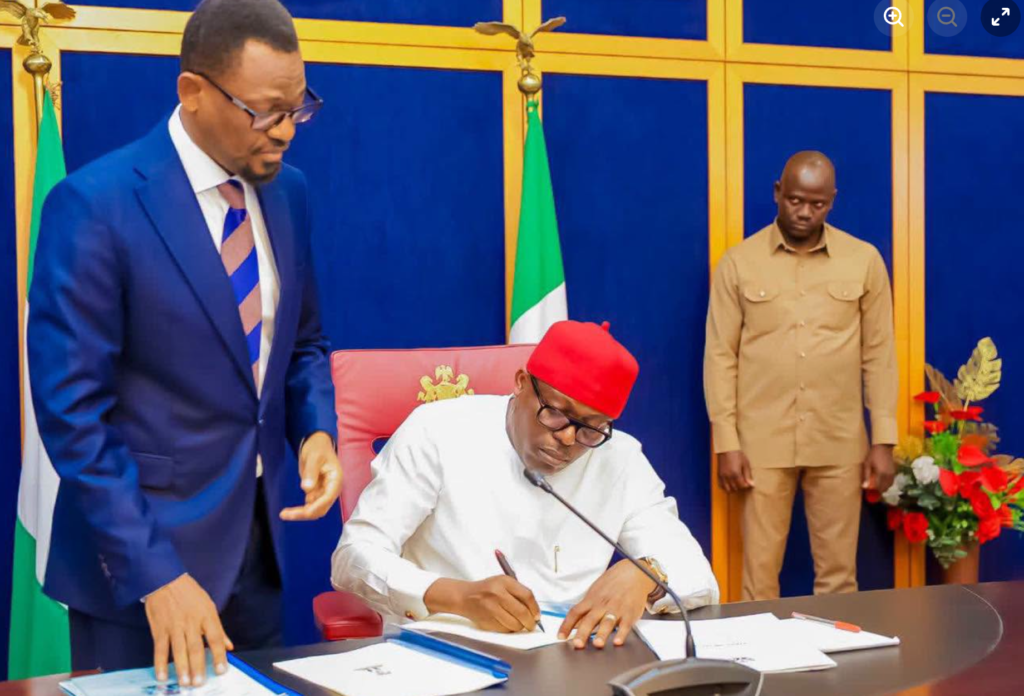
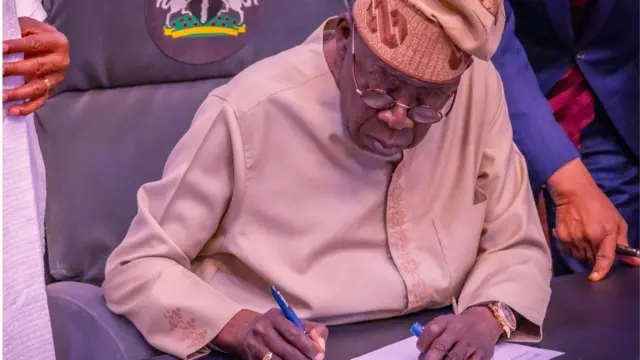
Nigeria’s ₦70,000 minimum wage became law on July 29, 2024, when President Bola Tinubu signed the National Minimum Wage Act.
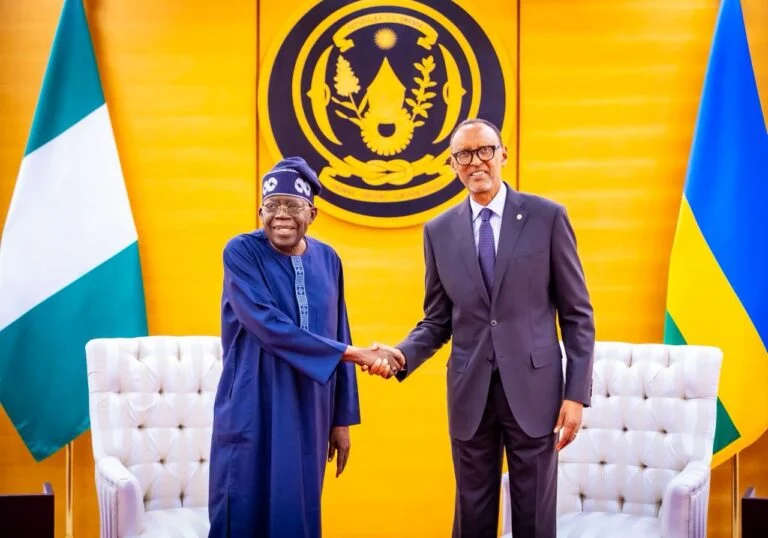
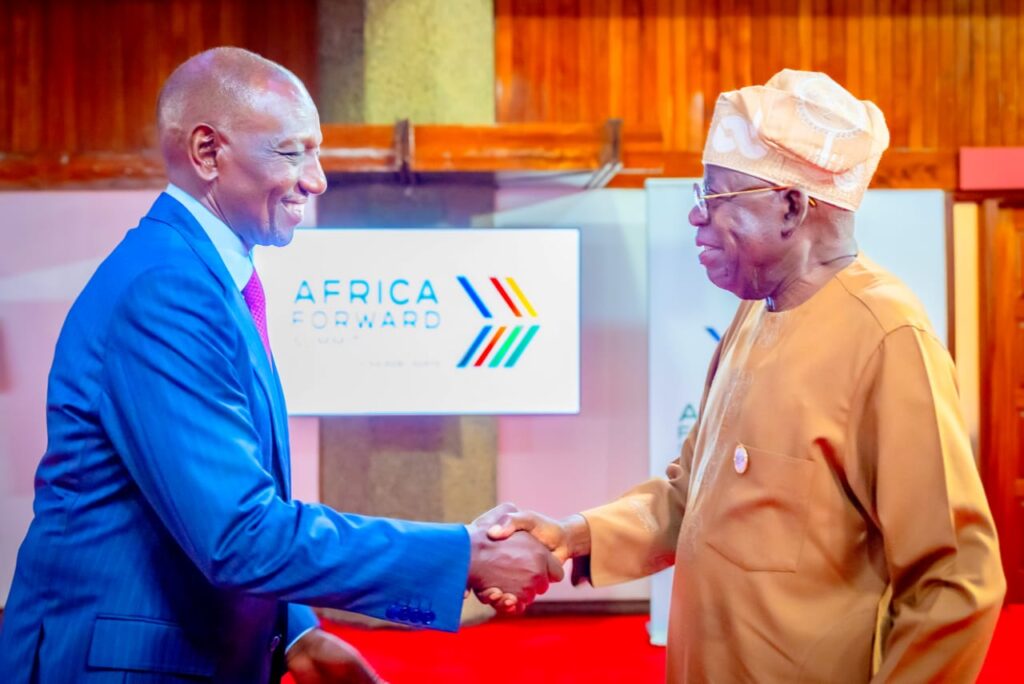
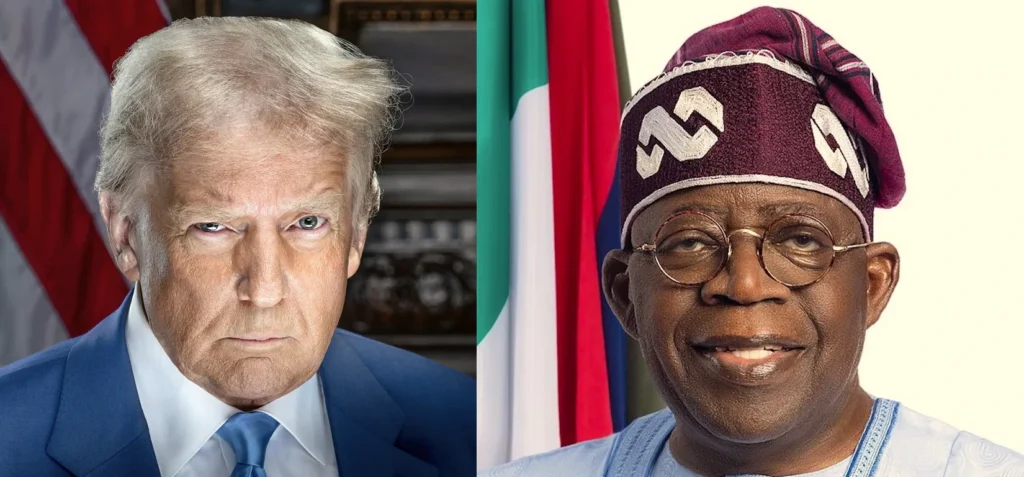
Speaking on Channels Television’s Sunrise Daily on Friday, Ajaero said organised labour had accepted the ₦70,000 minimum wage partly because Tinubu had asked it to consider the financial capacity of state governments.
According to Ajaero, the President indicated that he could afford to pay a higher amount but expressed concern about the ability of state governments to meet a higher wage obligation.
“Part of the reason we agreed on 70,000, the president said, and I quote, you know, I can afford to pay 150,000, you know, but the sub-nationals, you have to put them into consideration in deciding, you know, this ₦70,000 Naira minimum wage and we were keyed into it,” Ajaero said.
The NLC president said negotiations had reached a deadlock over ₦60,000 before direct discussions between labour and the President produced the ₦70,000 agreement.
“That was a negotiation between us and the president directly, not the minimum wage committee,” he said.
However, Ajaero argued that subsequent wage decisions by state governments had called into question the affordability concerns raised during the negotiations.
He cited Imo State as paying ₦104,000, adding that some other states were paying ₦100,000, ₦85,000, ₦84,000 and ₦75,000.
“I think the least could be 72 or more. All the states are paying more than the federal government,” he said.
Ajaero questioned why the Federal Government had retained its existing rate despite the higher amounts he said state governments were paying. He argued that the development warranted a fresh assessment of the government’s position on workers’ pay.
“So I think it’s incumbent on the federal government to go back to the drawing board and find out what is happening,” he said.
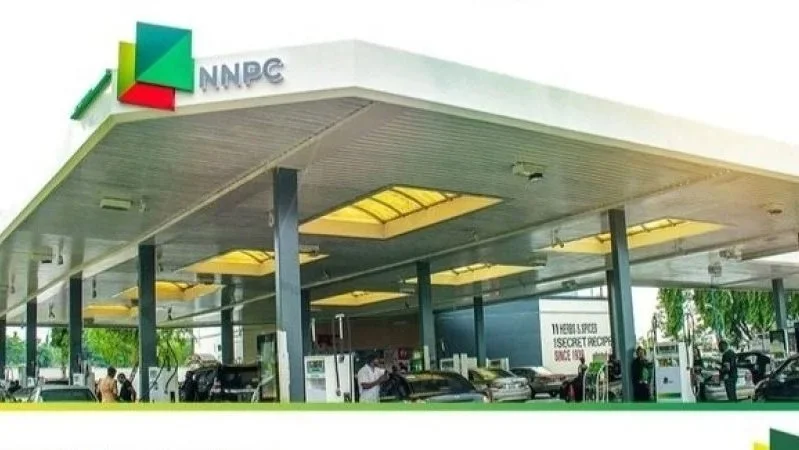
On the Federal Government’s 30-day petrol discount, Ajaero said the initiative had not altered organised labour’s ultimatum seeking fresh minimum wage negotiations and other measures to ease workers’ hardship.
He questioned the temporary intervention, arguing that it did not adequately address labour’s concerns about petrol prices and workers’ purchasing power.
“It’s better we take it from the point of the ultimatum we gave two days ago. And this piece of information has not altered anything,” he said.
The NLC president described the announcement as a “panicky measure” and questioned how a discount at Nigerian National Petroleum Company Limited outlets would affect prices charged by other fuel marketers.
“Other marketers are not like the NNPC. So they should tell us what other marketers will sell,” he said.
Ajaero said petrol sold for between ₦650 and ₦750 per litre when labour agreed to the ₦70,000 minimum wage. He argued that the government needed to explain the proposed intervention and clarify what would happen when the discount expired.
“We need to get the whole information from them and know what it’s actually all about,” he said.
“Within 30 days, after 30 days, what happens?”
Clarifying the demands behind labour’s two-week ultimatum, Ajaero said the NLC was seeking renewed minimum wage negotiations, an interim wage award and appropriate pricing for Premium Motor Spirit (PMS), commonly known as petrol.
“Exactly. It’s around minimum wage, not a wage award. Around minimum wage, a wage award as an interventionary measure between now and when the minimum wage will be concluded,” he said.
“And then getting the appropriate pricing for a PMS. Those are three key items.”
He also called for tax relief, which he said was part of the agreement reached between labour and the Federal Government in 2023 but had yet to be implemented.
Asked whether the government had consulted labour before announcing the fuel discount, Ajaero accused the administration of failing to maintain dialogue with the NLC or respond to its correspondence.
“The federal government does not dialogue. In the last two, three years, you know, no conversation. Letters are not even attended to,” he said.