















































































































































































































































































































































































































Tinubu’s Fuel Relief Plan Sparks Political Row As Atiku Questions What Happens After 30 Days

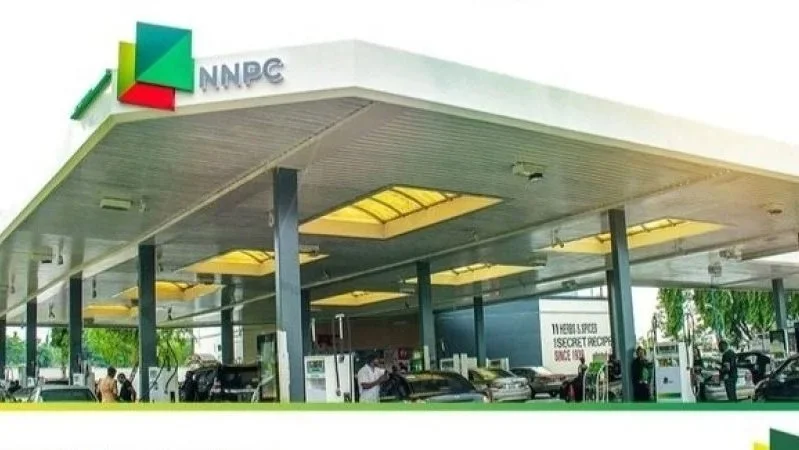
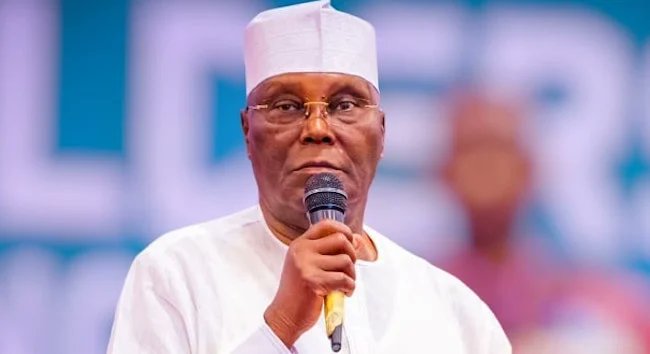
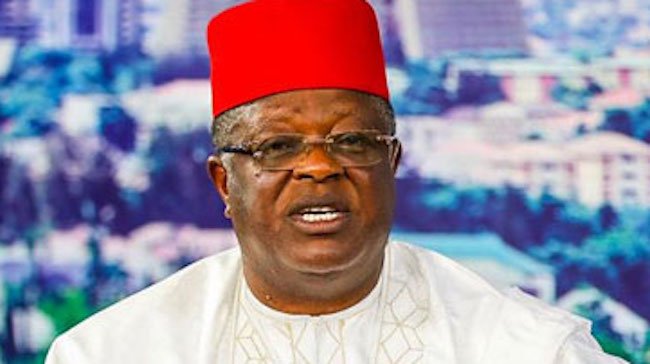
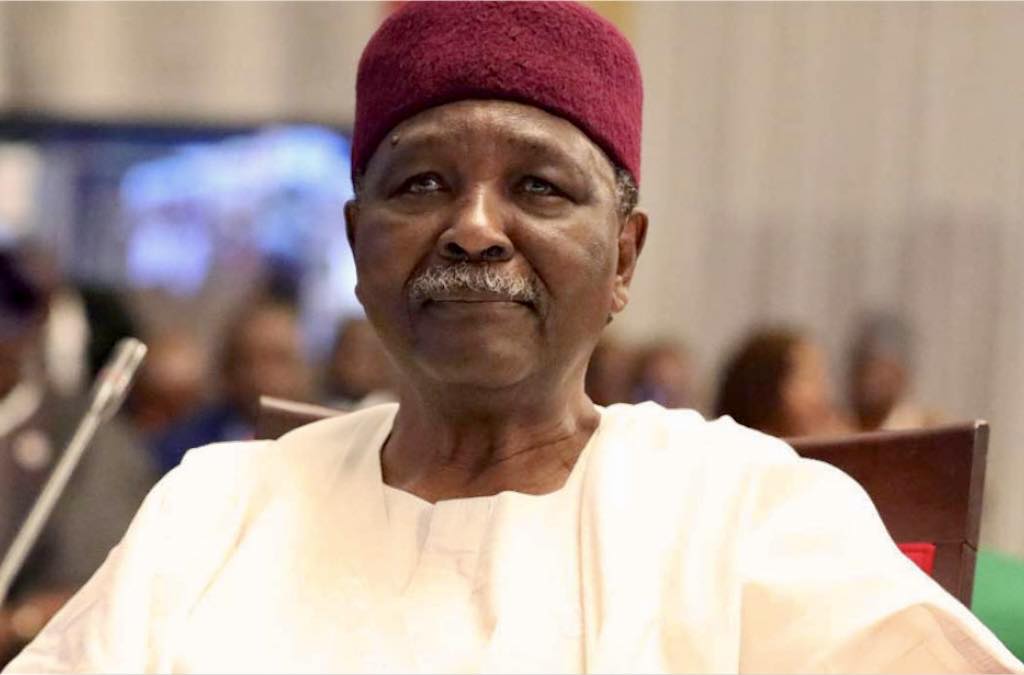
The Federal Government’s announcement of a 30-day discount on petrol sold by the Nigerian National Petroleum Company Limited (NNPCL) has drawn sharp criticism from former Vice President Atiku Abubakar, who dismissed the intervention as a politically motivated, temporary measure incapable of addressing the hardship caused by rising fuel prices.
The government also announced plans to introduce a price modulation mechanism that would place a ₦1,350-per-litre ceiling on the ex-gantry or landing cost of petrol, in an effort to protect consumers from sharp fluctuations in global crude oil prices and exchange rates.
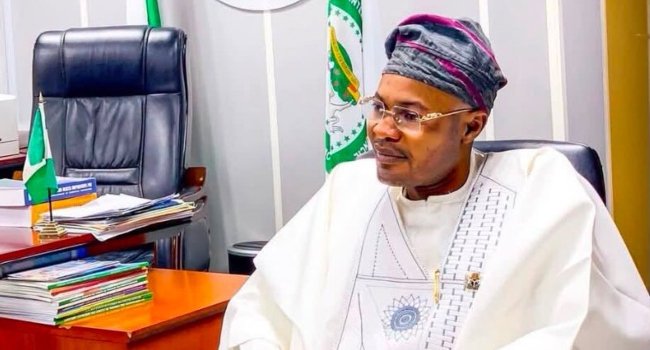
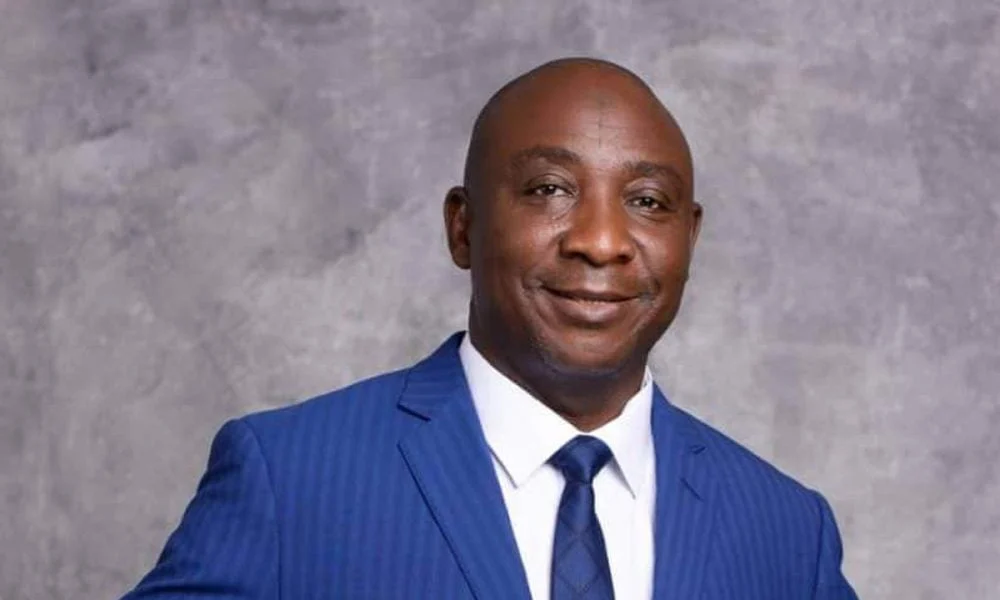
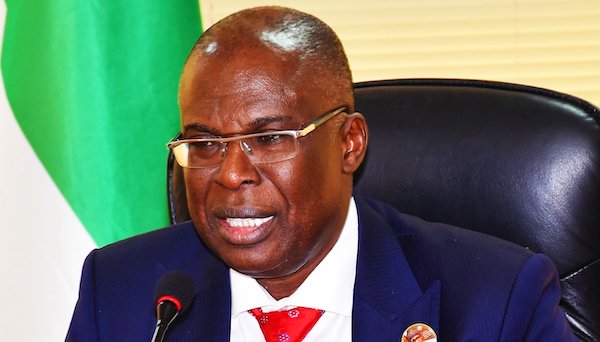
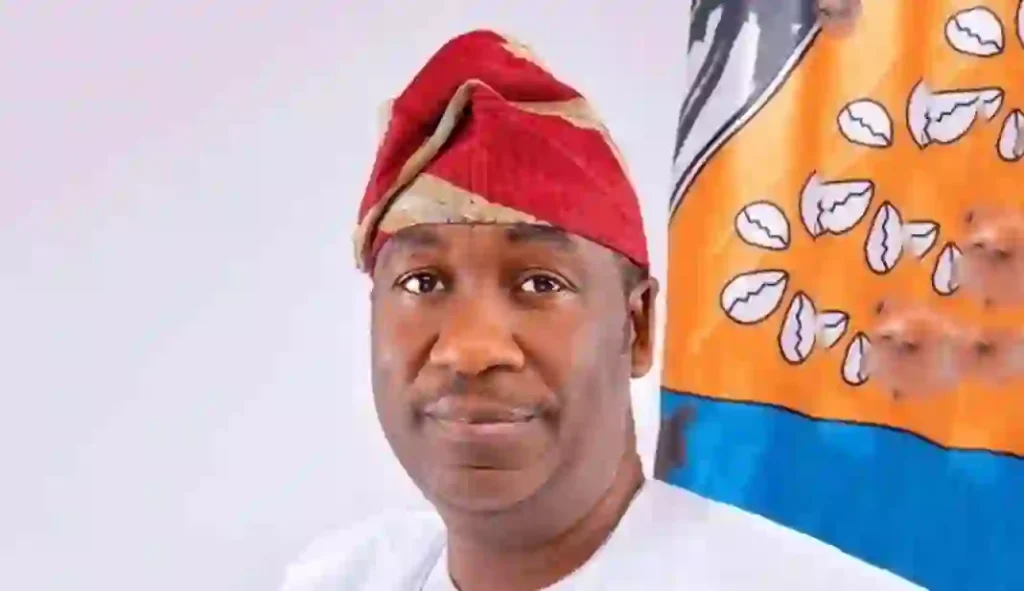
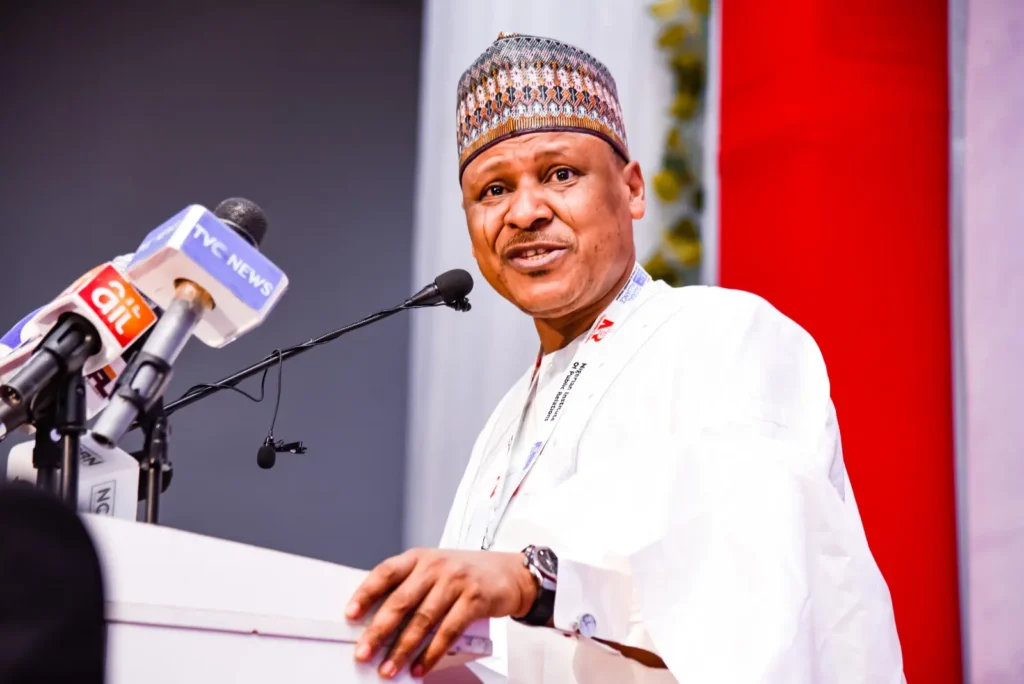
The Minister of Finance and Coordinating Minister of the Economy, Taiwo Oyedele, unveiled the measures on Thursday at a press briefing in Abuja, describing them as part of a broader intervention to ease the financial pressure on households and businesses.
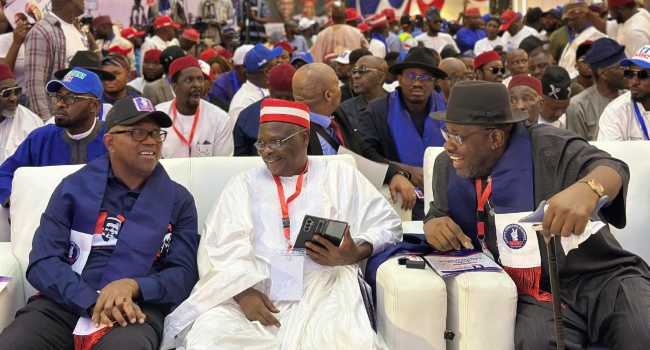
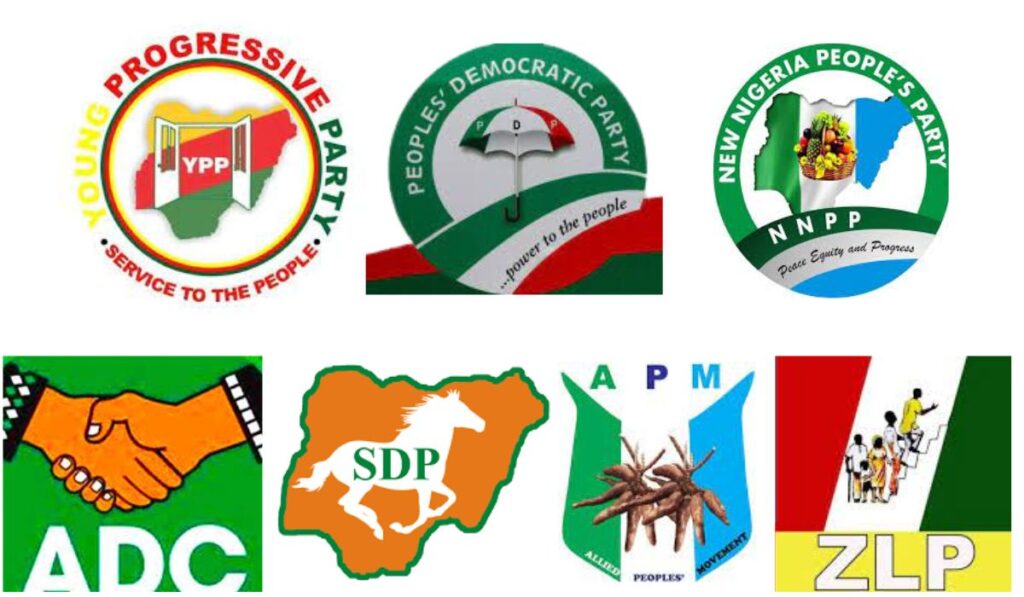
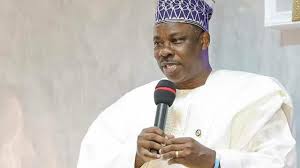
However, Atiku, the presidential candidate of the African Democratic Congress (ADC), questioned the sustainability of the measures, accusing the administration of President Bola Tinubu of attempting to secure political advantage ahead of the 2027 general elections.
In a statement issued by Phrank Shaibu, Director of Strategic Communication of the ADC Presidential Campaign Council, Atiku described the proposed discount as a desperate response to the worsening cost-of-living crisis.
He argued that Nigerians needed lasting economic relief rather than temporary interventions that would leave them exposed to high fuel prices once the discount period expired.
FG Explains 30-Day Petrol Discount
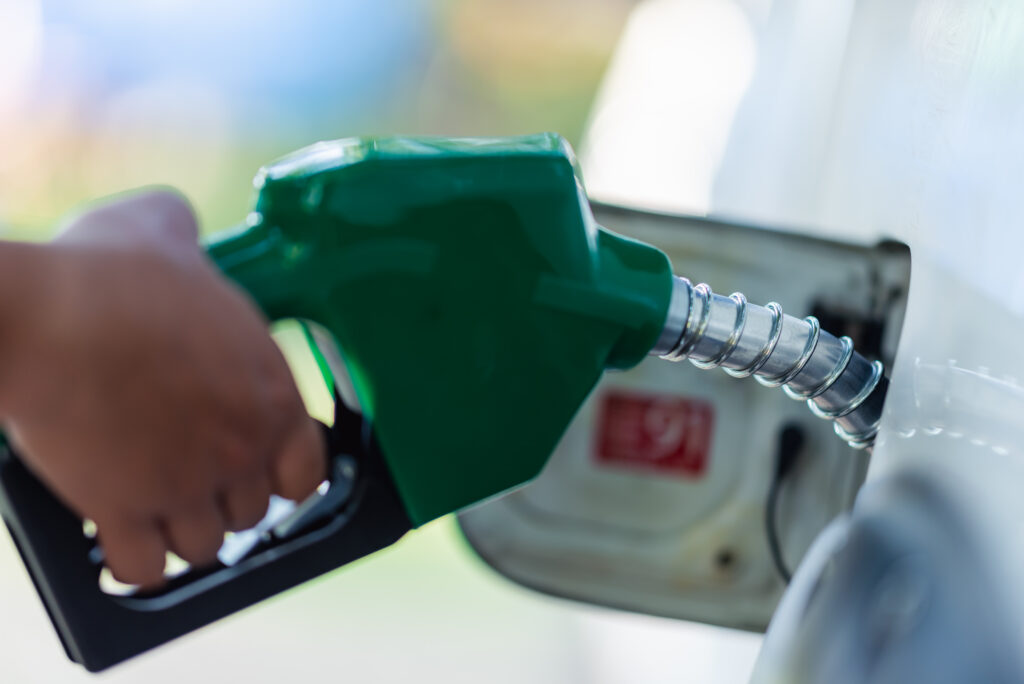
Announcing the intervention, Oyedele said the government would offer discounted petrol through NNPC filling stations nationwide for an initial period of 30 days, with priority given to public transport operators.
According to the minister, the arrangement is intended to reduce the immediate burden of high petrol prices, particularly on commercial transport operators whose operating costs directly affect transportation fares and the prices of goods and services.
He maintained that the discount should not be interpreted as a return to the fuel subsidy regime, which the Tinubu administration abolished shortly after assuming office in May 2023.
Rather, he explained, the government would make petrol available at cost during the intervention period.
“We are offering a discount on petrol dispensed by NNPC Limited for the next 30 days in the first instance, with priority for public transporters nationwide. So, it’s not a subsidy; government is just saying we sell to you at cost,” Oyedele said.
The minister acknowledged that previous government interventions had not sufficiently eased the pressure on Nigerians, particularly as rising fuel and transportation costs continued to affect household expenditure and business operations.
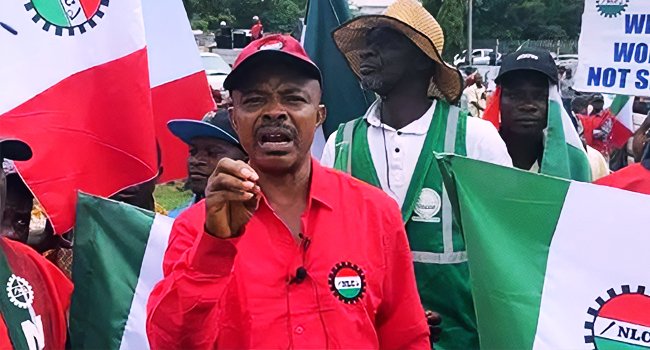
The announcement comes amid mounting concerns about the impact of petrol prices on the cost of living, with transportation expenses remaining a significant component of household spending and business operating costs.
Government Proposes ₦1,350 Petrol Cost Ceiling
Beyond the temporary discount, the Federal Government is negotiating a price modulation arrangement designed to reduce volatility in the domestic petrol market.
Under the proposed mechanism, the ex-gantry or landing cost of petrol would be subject to a ceiling of ₦1,350 per litre, with the benchmark reviewed monthly.
The ex-gantry price refers to the cost of petrol at the point of release from a refinery or depot, while the landing cost represents the expense of bringing imported petrol into the country.
Neither figure necessarily represents the final pump price paid by motorists, which may include transportation, distribution, and retail costs.
Consequently, the proposed ₦1,350 ceiling does not mean petrol would be sold at that price at filling stations.
Instead, the government intends to prevent sudden increases in international crude oil prices or fluctuations in the naira exchange rate from immediately translating into corresponding increases in domestic petrol prices.
Oyedele explained that the arrangement would require refiners and importers to absorb temporary increases in costs above the agreed ceiling, with provisions for recovering the difference when market conditions improve.
“Pump prices should not have to follow every swing in global crude or the exchange rate. The government is negotiating a ceiling of N1,350 a litre on the ex-gantry or landing cost of petrol to keep pump prices stable,” he said.
The minister maintained that the arrangement was neither a subsidy nor conventional price control, but a mechanism for spreading the effects of market fluctuations over time.
He argued that price stability was preferable to frequent increases and decreases, which could create uncertainty for businesses and consumers.
“The reasoning is simple: N1,400 a litre today and N1,400 a litre tomorrow is better than N1,500 a litre today and N1,300 a litre tomorrow,” he said.
“Why? Because volatility itself adds to uncertainty and cost, and when fuel goes up sharply, they rarely come down as fast.”
Oyedele said the ceiling would be reviewed monthly, with the relevant figures published to promote transparency.
Atiku Rejects Intervention As Political Gesture
Despite the government’s assurances, Atiku rejected the proposed 30-day discount, describing it as an inadequate response to years of economic hardship.
The former Vice President accused the Tinubu administration of failing to provide meaningful relief while Nigerians struggled with rising fuel prices, transportation fares, and food costs.
He argued that the timing of the intervention raised questions about the government’s motives, particularly as political activities ahead of the 2027 elections gather momentum.
“Atiku totally rejects this calendar-scheduled, election-laced subsidy package. Nigerians are not fools to be offered a month of discounted fuel after years of punishing prices and then expected to forget the hardship when the discount expires. This is shameless and heartless,” he said in the statement.
Atiku described the intervention as “not an economic plan but a political bandage on a wound the government had helped create.”
He questioned what would happen after the 30-day period, arguing that the government had failed to demonstrate how the temporary discount would translate into lasting reductions in the cost of living.
“What happens on Day 31? Nigerians wake up to the same brutal prices, the same punishing transport fares and the same rising cost of food. The government cannot manufacture relief for one month and expect Nigerians to applaud while the hardship remains,” he said.
His criticism centres on the temporary nature of the intervention and the absence of a clearly defined mechanism for sustaining lower petrol prices beyond the initial discount period.
Although the government has described the arrangement as an initial 30-day measure, it has not announced whether the discount would be extended or replaced with another form of assistance after its expiration.
Questions Over Discount, Coverage And Transport Fares
Atiku also questioned the practical implementation of the programme, particularly its restriction to petrol dispensed through NNPC filling stations.
He argued that the government had not provided sufficient information about the actual financial benefits motorists and commercial transport operators would receive.
According to him, Nigerians have yet to be told how much they would save on each litre of petrol purchased under the arrangement.
He also questioned whether any savings enjoyed by public transport operators would translate into lower fares for passengers.
The former Vice President maintained that without clear implementation guidelines and safeguards, the proposed discount could fail to deliver meaningful relief to the wider population.
His concerns highlight important questions about the intervention, including the size of the discount, the number of filling stations participating, the eligibility criteria for priority beneficiaries, and the arrangements for ensuring that the intended benefits reach commuters.
The government has identified public transport operators as priority beneficiaries, but the initial announcement did not specify the discount per litre or explain how reduced fuel costs would be reflected in passenger fares.
Atiku Accuses FG Of Policy Reversal
Atiku further accused the administration of reversing its previous position on measures intended to cushion the effects of high petrol prices.
He argued that the decision to introduce a temporary discount amounted to an acknowledgement that the hardship experienced by Nigerians had become too severe to ignore.
The ADC presidential candidate also said the development reinforced his earlier proposal for government-backed support for domestic fuel production.
“This volte-face proves that the production-support proposal I have advanced is workable, achievable and not complicated. The Tinubu government and its spin doctors have tried to make it sound impossible, yet they are now reaching for a temporary subsidy-style intervention because the pain has become impossible to ignore,” Atiku said.
He reiterated his proposal for capped and budgeted production support tied specifically to petrol refined in Nigeria.
According to him, such support should include safeguards to ensure that the financial benefits reach consumers while encouraging domestic refining capacity.
Atiku argued that a structured production-support mechanism would offer a more sustainable approach to reducing petrol costs than a temporary discount.
His proposal differs from the government’s announced arrangement in its emphasis on direct support for domestic production, rather than a short-term retail discount and a mechanism intended to moderate fluctuations in petrol costs.
However, the government maintains that its proposed interventions do not amount to the restoration of fuel subsidies.
FG Insists Measures Are Not A Return To Subsidy
The disagreement reflects a wider debate over the Federal Government’s approach to managing petrol prices following the removal of fuel subsidies in May 2023.
The Tinubu administration has consistently defended the removal of subsidies as a necessary economic reform, arguing that the previous system placed an unsustainable burden on public finances.
The latest measures represent an attempt to moderate the immediate effects of high petrol prices without formally reinstating the subsidy regime.
Oyedele has maintained that selling petrol at cost for a limited period and introducing a price modulation mechanism are distinct from the previous arrangement under which the government financed the difference between the market cost of petrol and the regulated selling price.
Under the proposed price modulation mechanism, refiners and importers would initially bear costs exceeding the agreed ceiling and recover them later when market conditions permit.
Nevertheless, the arrangement raises questions about how the recovery mechanism would operate, particularly if international crude oil prices or exchange rates remain elevated for an extended period.
The government has said the ceiling would be reviewed monthly and that the figures would be published to ensure transparency.
Debate Over Lasting Relief
The competing positions have brought renewed attention to the challenge of balancing market-based fuel pricing with the need to protect households and businesses from sudden increases in energy costs.
For the government, the immediate objective is to reduce price volatility and provide temporary relief without reversing its broader economic reforms.
For Atiku, the central issue is whether the intervention offers a credible, sustainable response to the financial pressure Nigerians have endured since the removal of fuel subsidies.
The former Vice President insisted that the government must move beyond short-term measures and adopt policies capable of delivering lasting reductions in the cost of living.
“Nigerians need lasting relief, not a countdown to the return of hardship. Tinubu’s government cannot spend years telling Nigerians to endure, then offer 30 days of relief and call it a solution,” he said.
Atiku restated his commitment to pursuing policies that would make life more affordable for Nigerians.
With the government yet to disclose the precise discount per litre or the arrangements for sustaining relief beyond the initial period, attention will now turn to how the programme is implemented and whether it produces measurable reductions in transportation costs and other household expenses.
The effectiveness of the proposed ₦1,350 cost ceiling will also depend on the outcome of negotiations with refiners and importers, the operation of the cost-recovery mechanism, and developments in global crude oil prices and the foreign exchange market.
For Nigerians facing high fuel and transportation costs, the immediate test will be whether the announced measures translate into meaningful savings at filling stations and in everyday expenditure.