








































































































































































































































































































































































































































































































































































































INEC Appeals Court Ruling Nullifying Parts of 2027 Election Guidelines


The Independent National Electoral Commission (INEC) has approached the Court of Appeal in Abuja, seeking to overturn the judgment of the Federal High Court, Abuja, which nullified parts of the electoral guidelines issued for the conduct of the 2027 general election.
In a motion on notice attached to the appeal, INEC urged the appellate court to stay the execution, or further execution, of the judgment delivered on May 20, 2026, pending the hearing and determination of the appeal.
Justice Mohammed Umar of the Federal High Court, Abuja, had invalidated INEC’s directive requiring political parties to submit their membership registers and databases by May 10 as a condition for participation in the 2027 general election.
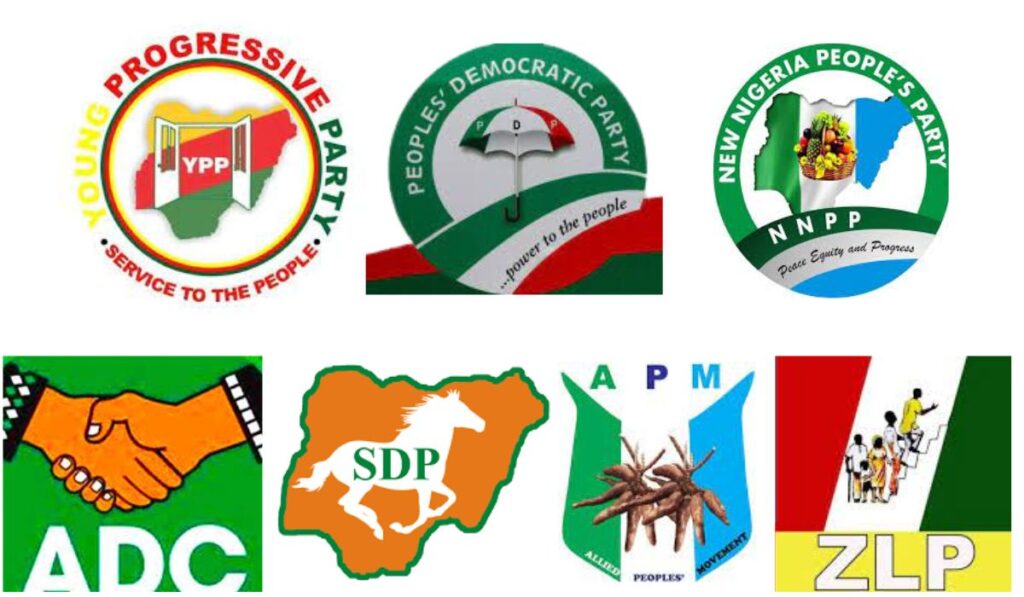
The suit challenging the legality of the directive was instituted by the Youth Party.
In his judgment, Justice Umar held that INEC could not lawfully abridge the timeline already stipulated under Section 29(1) of the Electoral Act, 2026, for the submission of party membership records and candidates’ particulars.
However, in the appeal dated May 25, 2026, and filed through its counsel, Alex Izinyon, SAN, INEC prayed the Court of Appeal to set aside the judgment in its entirety.
The electoral body also requested an order staying the execution of the judgment pending the determination of the appeal.
INEC raised nine grounds of appeal, arguing that the trial court erred in law by failing to pronounce on the jurisdictional issue that the suit was hypothetical and academic, thereby denying the appellant a fair hearing.
In the appeal, the electoral commission further contended that the lower court erred when it held:
“It is clear from the wording of Sections 29(1), 82, and 84 of the Electoral Act, 2026, the following can be understood. Section 29(1) of the Electoral Act, 2026 mandates political parties to submit the names of candidates first in the prescribed forms of the candidates who emerged from its valid primaries, which such political party intends to sponsor at the elections, not later than 120 days before the date of the general election.
“What is required of political parties to do under the Electoral Act, 2026, is to notify the Independent National Electoral Commission (INEC) 21 days before the holding of its primaries, congresses, conventions, conferences, or meetings convened for the election of executive committees, other governing bodies, or the nomination of candidates.
“The defendant is not mandated to impose a timeframe for political parties to conduct their primaries, provided that the exercise is concluded and submitted not later than the 120 days prescribed by the Electoral Act, 2026. See Section 82(1) of the Electoral Act, 2026.”
INEC maintained that the judgment of the trial court was against the weight of evidence placed before it and urged the appellate court to allow the appeal and set aside the judgment delivered by the Federal High Court sitting in Abuja.
The commission also sought an order striking out the suit on the grounds that the respondent lacked the locus standi to institute and maintain the action, describing the case as academic.
The Federal High Court in Abuja had earlier invalidated the timeline issued by INEC for the conduct of party primaries, as well as the nomination of candidates ahead of the 2027 general election.
In the judgment delivered by Justice Mohammed Umar, the court also set aside INEC’s May 10 deadline requiring political parties to submit a register and database of all members as a prerequisite for participation in the elections.
The court held that the timeframe announced by the electoral umpire for political parties to conduct primaries and to submit, withdraw, or replace the names and particulars of candidates for the general election “is inconsistent with the provisions of the Electoral Act, 2026.”