







































































































































































































































































































































































































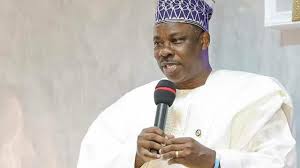





Obasanjo, Presidency Clash Over Nigeria’s Worsening Insecurity

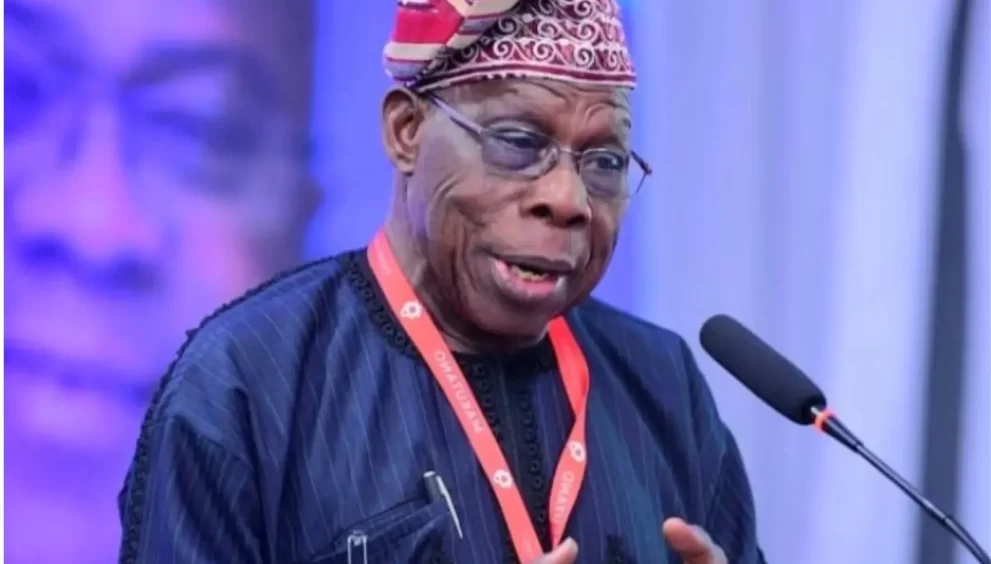
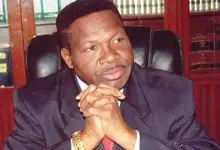
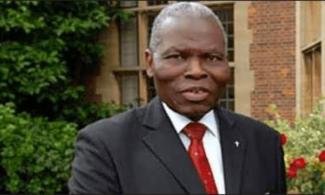
Former President Olusegun Obasanjo and the Presidency yesterday exchanged strong words over Nigeria’s worsening security situation, with both sides accusing the other of failing the nation at critical moments.
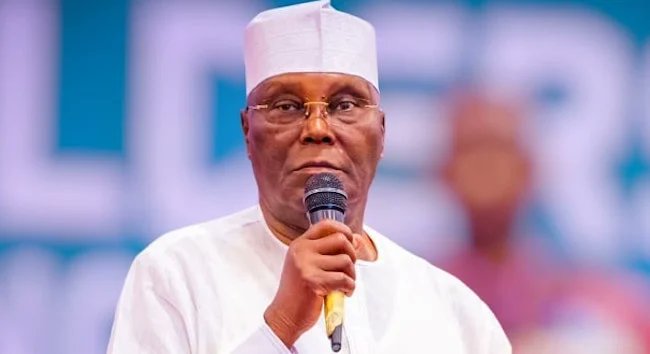
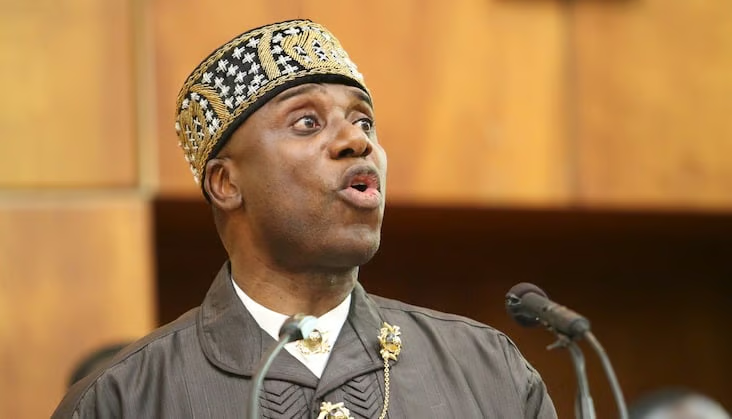
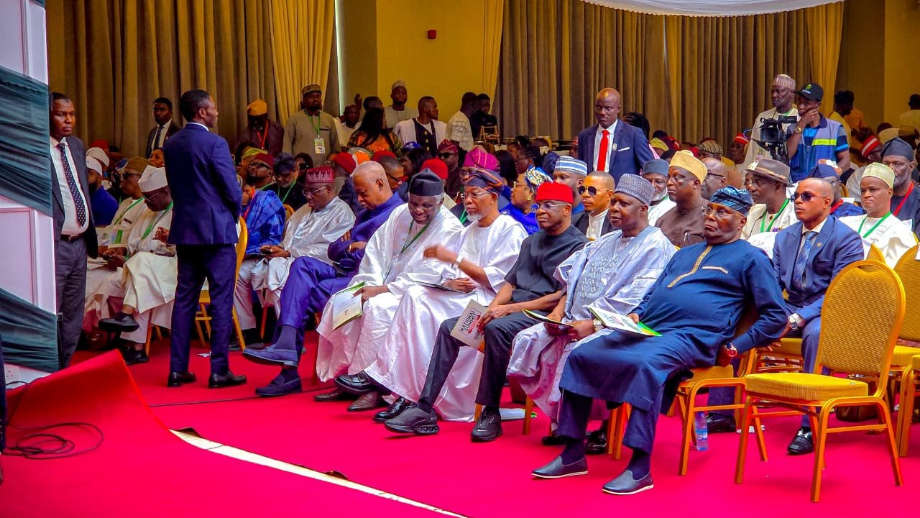
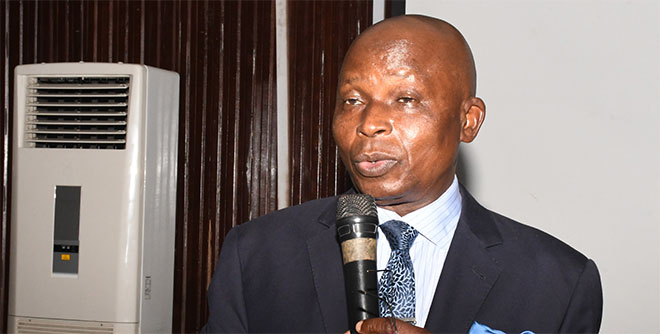
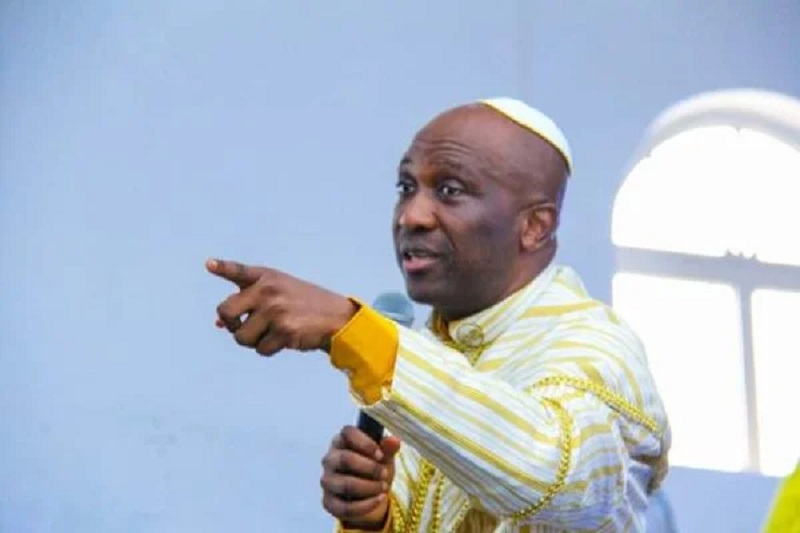
Speaking in Jos at the second edition of the Plateau State Unity Christmas Carol, held at the Ten Commandments Prayer Altar, Obasanjo warned that Nigeria “is being killed” by persistent insecurity and suggested that citizens may be justified in seeking foreign intervention if the government proves unable to protect them.
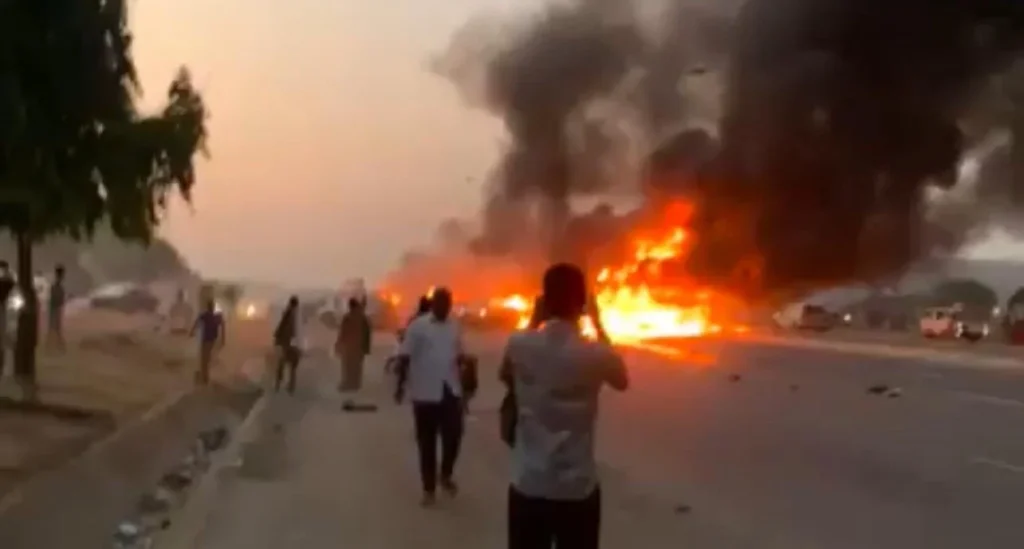
Reflecting on the country’s prolonged struggle with violent crime, he said insecurity had reached an intolerable point.
“One problem we have is insecurity, and it has been with us. It did not begin with this administration, not even with the administration before it,” he said. “From the kidnapping of the Chibok girls until now, insecurity has continued to go from bad to worse.”
He condemned attempts to rationalise killings along ethnic or religious lines, calling such explanations dangerous and unacceptable.
“For anybody at any time to say that when Nigerians are being killed, the explanation is that those killed belong to this group or another nonsensical group — we are being killed. We are Nigerians, no matter the religion or where you come from, we are being killed,” he declared.
Obasanjo added that governments at all levels must fulfil their constitutional obligations.
“The first responsibility of any government is the protection and security of its citizens, but our government seems incapable of protecting us.”
He said Nigerians would be right to turn to international bodies should the government fail in its duty.
“If our government cannot do it, we have a right to call on the international community to do for us what our government cannot do. We should have no apology for that.”
The former president questioned why security agencies were not fully deploying available technology to track and neutralise criminal gangs.
“In these days of technology, nobody should be able to hide anywhere after committing a crime,” he said. “Before I left government, I knew we had the capacity to identify and locate anybody in Nigeria who committed a crime. Now we have the capacity with drones — you can take them out. Why are we not doing that?”
He insisted that the killings must end.
“Every Nigerian life that is lost is a shame for Nigeria. We are tired of being killed. The killing of Nigerians must stop.”
Governor Caleb Mutfwang, in his remarks at the event, described the Unity Carol as a symbol of Plateau State’s determination to heal and unite after years of conflict. He urged residents to set aside division and embrace cohesion, noting that unity was essential for defeating insecurity.
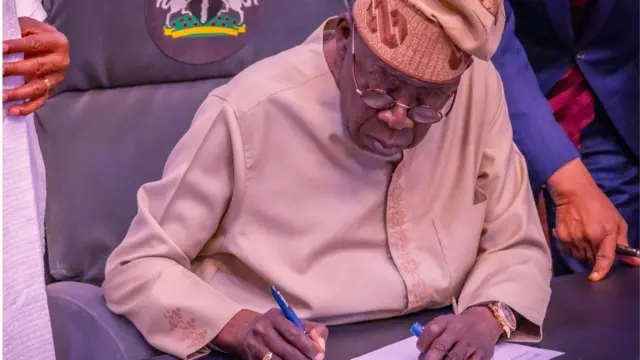
Obasanjo’s comments drew a sharp response from the Presidency, which accused him of lacking the moral authority to criticise President Bola Tinubu’s handling of security.
In a statement issued on X by the Special Adviser to the President on Media and Public Communication, Mr. Sunday Dare, the Presidency alleged that terrorism took root during Obasanjo’s administration because his government failed to act decisively when extremist groups first emerged.
“Recent comments by a former President and a few habitual presidential aspirants attempting to paint the Tinubu administration as ‘unable to protect Nigerians’ are not merely hypocritical but ignoble,” the statement said. “They ignore the hard truth: Nigeria is facing terrorists — all of them, by every definition, be they international, regional, or local.”
The Presidency criticised Obasanjo’s suggestion of seeking foreign intervention, describing it as “capitulation” and an abdication of national responsibility.
“The suggestion that Nigeria should effectively subcontract its internal security to foreign governments is not statesmanship; it is surrender,” it argued. “Before recommending surrender, the former President should reflect on what he failed to do when these terrorists first began organising under his watch.”
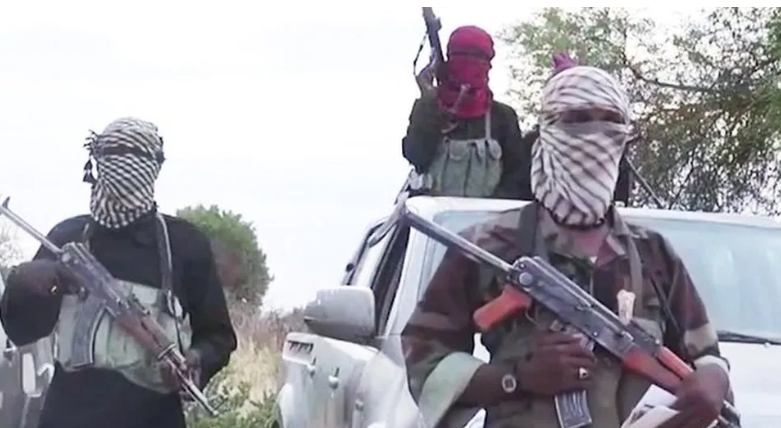
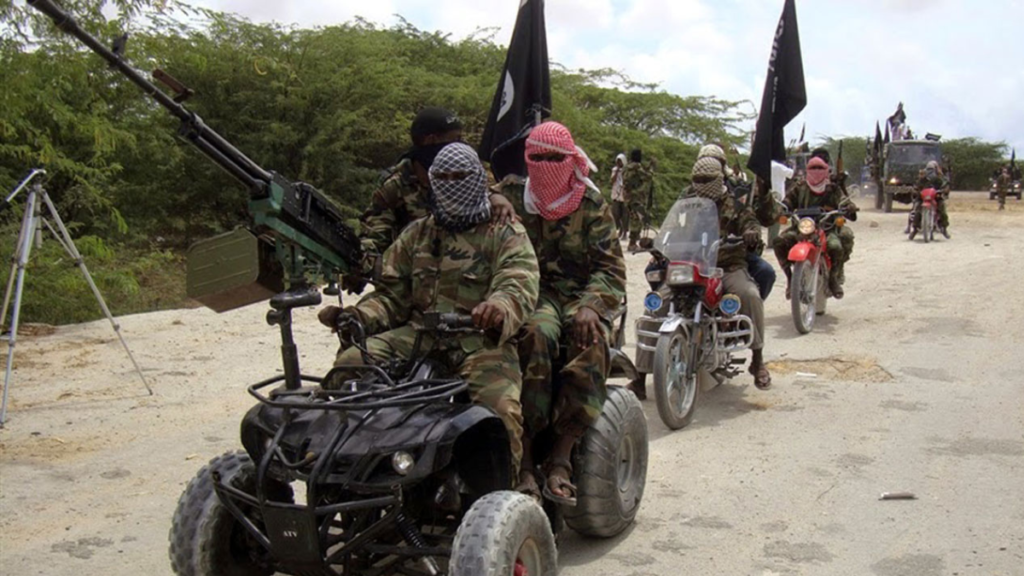
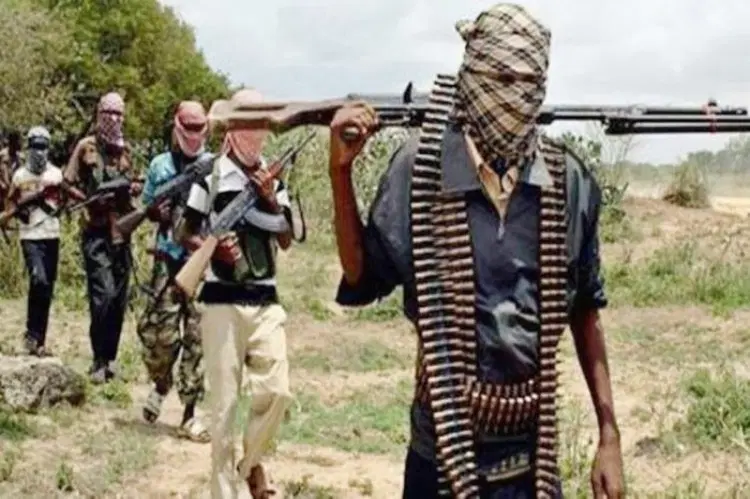
It said terrorism in Nigeria has evolved into a “multilayered ecosystem” involving internationally recognised extremist organisations, ISIS- and al-Qaeda-linked groups across the Sahel, violent bandit networks, cross-border terror cells, and ideological insurgents operating in ungoverned spaces.
“These actors collaborate. They share money, ideology, weapons, intelligence, and logistics. Their goal is the same: to break the Nigerian state and subjugate its people.”
The Presidency insisted it was a “historical fact” that Boko Haram’s ideological seeds were planted during Obasanjo’s civilian presidency.
“As they recruited, indoctrinated, established camps, and openly challenged authority, the state failed to act with the necessary urgency. What began as a preventable extremist sect transformed into a violent insurgency, a cross-border terrorist franchise, and a regional menace aligned with global jihadist movements.”
The Presidency stressed that while Nigeria welcomes international cooperation, it will not outsource its security or surrender its sovereignty.
“Nigeria will cooperate internationally, yes, but it will not raise a white flag because someone who once had the chance lost his nerve,” it said.
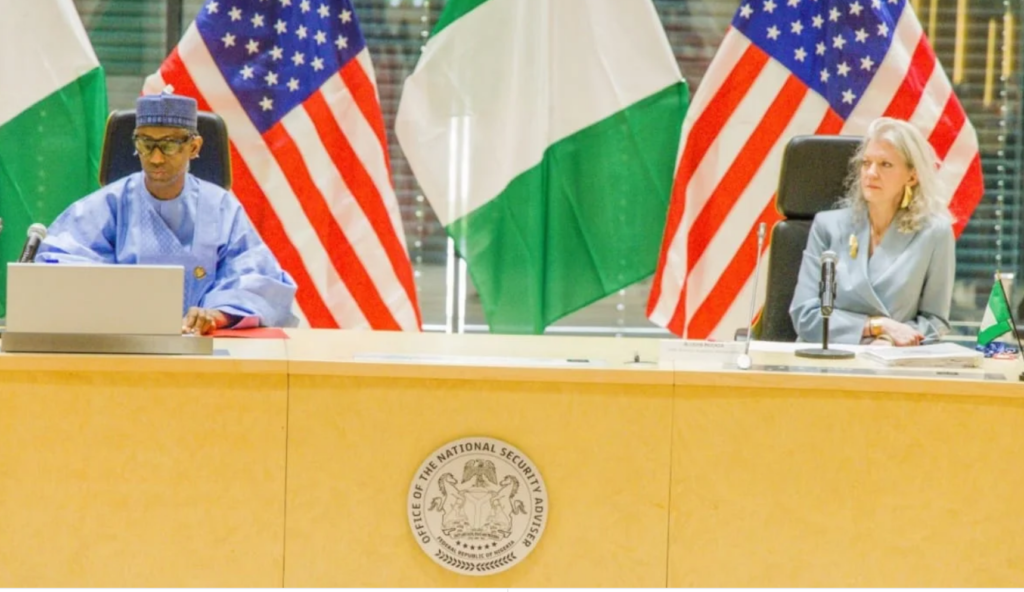
It added that Nigeria continues to build partnerships with the United States and other allied nations to strengthen its counterterrorism efforts, given the transnational nature of the threat.