






































































































































































































































































































































































































































































































































































‘They Said I Wanted Him Dead’: How Aso Rock Gossip Shook Buhari, According to Aisha


Former First Lady, Mrs. Aisha Buhari, has revealed that her late husband, former President Muhammadu Buhari, once believed damaging gossip within Aso Rock suggesting that she planned to kill him, leading him to change his behaviour and begin locking his room.
Mrs. Buhari also disclosed that the health crisis which compelled the former President to embark on prolonged medical leave in 2017 stemmed from a breakdown in his carefully managed feeding routine and poor nutritional management, rather than from poisoning or a mysterious ailment.
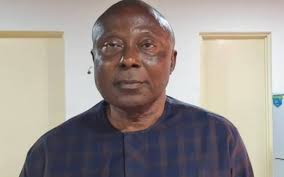
Her account is contained in a new 600-page biography, From Soldier to Statesman: The Legacy of Muhammadu Buhari, authored by Dr. Charles Omole and launched at the State House on Monday.
The 22-chapter book chronicles Buhari’s life from his childhood in Daura, Katsina State, to his final hours in a London hospital in mid-July 2025.
According to the biography, Mrs. Buhari had long supervised her husband’s meals and supplements at specific hours, a routine she said helped “a slender man with a long history of malnutrition symptoms” maintain his strength.
“Elderly bodies require gentle, consistent support,” she recalled, adding, “He doesn’t have a chronic illness. Keep him on schedule.”
The book states: “According to Aisha Buhari, her husband’s 2017 health crisis did not originate as a mysterious ailment or a covert plot. It started, she says, with the loss of a routine — ‘my nutrition,’ as she describes it — a pattern of meals and supplements she had long overseen in Kaduna before they moved into Aso Villa.”
Mrs. Buhari convened a meeting with close aides, including the physician, Dr. Suhayb Rafindadi; the Chief Security Officer, Mr. Bashir Abubakar; the housekeeper; and the Director-General of the State Security Service (SSS), to outline the feeding plan.
“Daily, cups and bowls with tailored vitamin powders and oils, a touch of protein here, a change to cereals there,” she explained.
Dr. Omole further narrated: “When the Presidency’s machinery took over their private lives, she explained the plan — daily, at specific hours, cups and bowls with tailored vitamin powders and oil, a touch of protein here, a change to cereals there. Elderly bodies require gentle, consistent support.”
However, the routine soon began to unravel.
“Then came the gossip and the fearmongering. They said I wanted to kill him,” the book quotes Mrs. Buhari as saying.
“My husband believed them for a week or so,” she said, revealing that the President began locking his room, altered small habits, and, crucially, that “meals were delayed or missed; the supplements were stopped.”
“For a year, he did not have lunch. They mismanaged his meals,” she added.
The deterioration culminated in Buhari undertaking two extended medical trips to the United Kingdom in 2017, totalling 154 days, during which he transferred presidential authority to Vice President Yemi Osinbajo.
Upon his return, Buhari admitted that he had been “never so ill” and had received blood transfusions.
His prolonged absences, Dr. Omole wrote, “sparked rumours, speculation, and even conspiracy theories.”
Mrs. Buhari dismissed claims that there were plots to poison her husband, insisting that the crisis stemmed solely from the disruption of his nutrition.
Her contention, the author noted, is that “loss of a routine — ‘my nutrition’ — was the genesis of the crisis.”
In London, doctors prescribed an even more rigorous regimen of supplements.
Initially, Buhari “was frightened and not taking them as prescribed. So she took charge of his welfare, slipping hospital-issued supplements into his juice and oats,” the book states.
Mrs. Buhari described the recovery as swift.
“After just three days, he threw away the stick he was walking with. After a week, he was receiving relatives,” she said.
“‘That,’ she says, ‘was the genesis, and also the reversal of his sickness,’” the biography noted.
Dr. Omole added that critics often pointed to Buhari’s reliance on United Kingdom hospitals as evidence of Nigeria’s failing health system.
However, he argued that a “more compassionate perspective” recognises that a man in his seventies may require specialised care “not readily available in Nigeria” after “decades of underinvestment.”
The author also highlighted Buhari’s practice of formally handing over power to his deputy during periods of absence, describing it as a demonstration of “institutional propriety, even during personal health crises.”
The book further revealed a climate of deep mistrust within the Presidency.
Mrs. Buhari alleged that the President’s office was bugged with listening devices and that private conversations were replayed, stating that fear and guilt “contributed to taking his life.”
She also dismissed the long-standing rumour that Buhari had a body double, popularly known as “Jibril of Sudan,” describing it as absurd and blaming poor strategic communication by government for allowing mundane developments to escalate into conspiracy theories.