
















































































































































































































































































































































Court Grants FG’s Request for Screened Witnesses in Kanu Trial


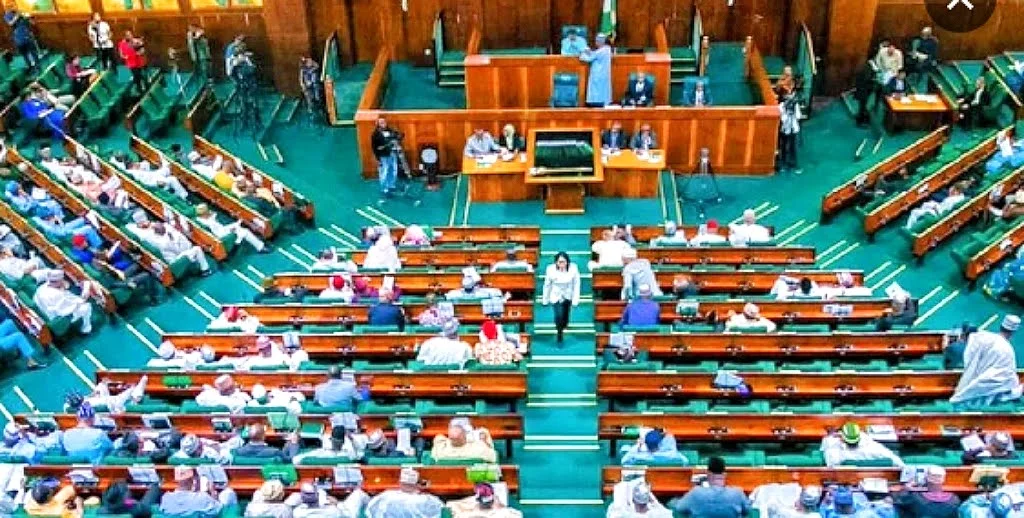
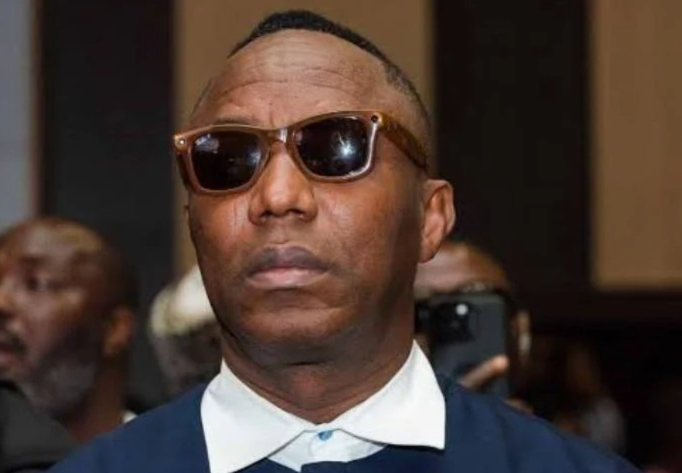
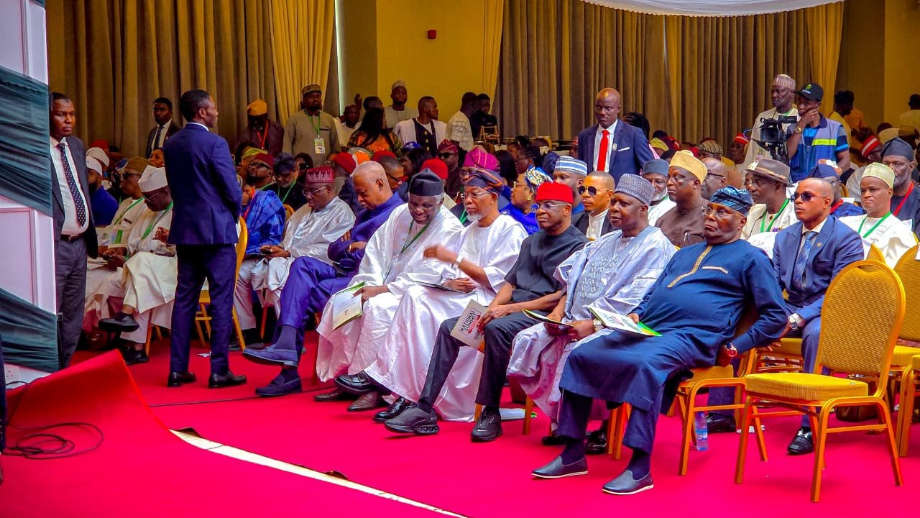
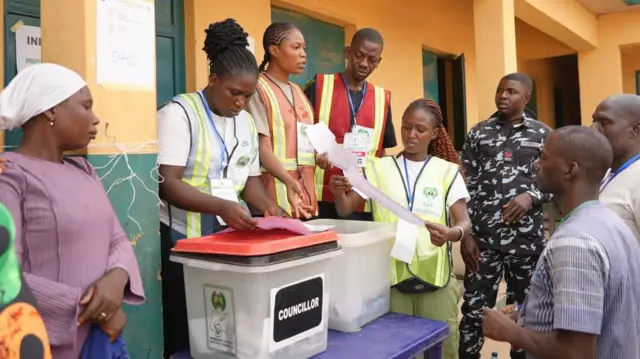
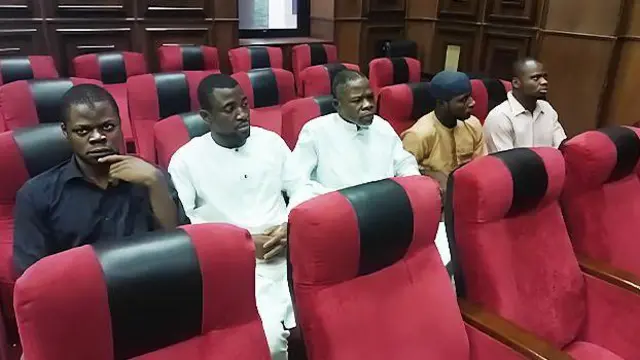
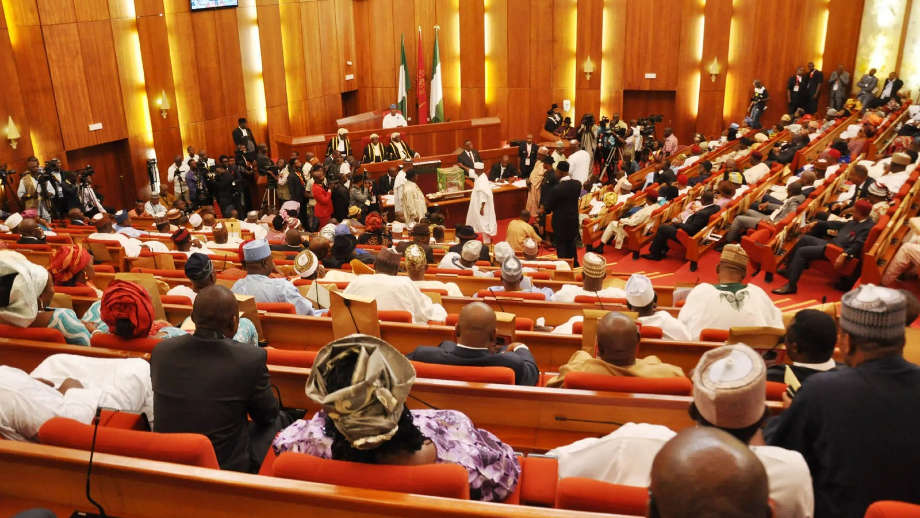
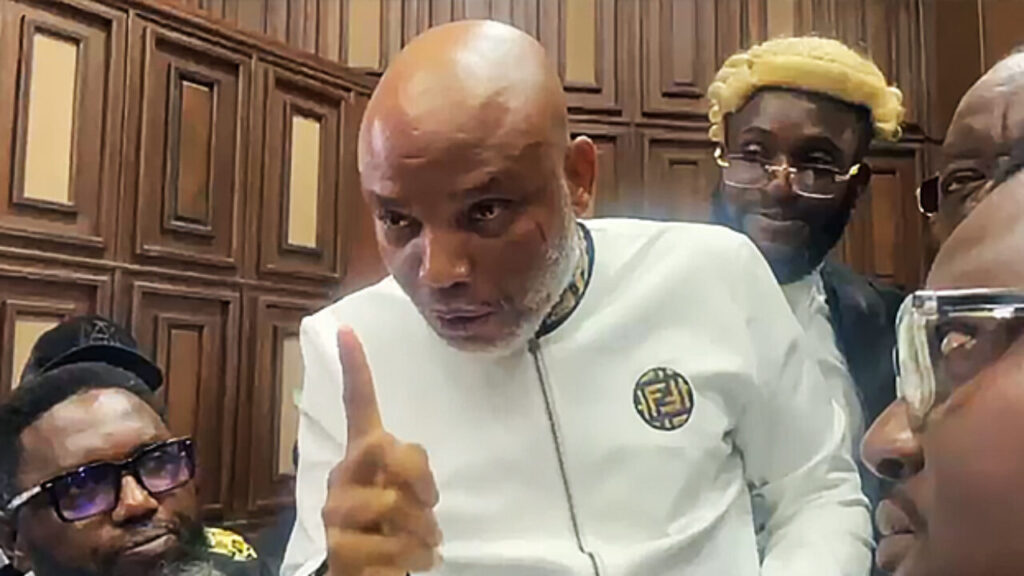
The trial of Nnamdi Kanu, leader of the Indigenous People of Biafra (IPOB), resumed on Tuesday at the Federal High Court in Abuja.
Presiding judge, Justice James Omotosho, granted the Federal Government’s request to allow witnesses to testify behind screens for security reasons.
At the hearing, defence counsel Kanu Agabi informed the court that 22 lawyers were on his team. However, the judge limited participation to the 13 previously approved.
Four Senior Advocates of Nigeria—Audu Nunghe, Joseph Akubo, Emeka Etiaba, and Onyechi Ikpeazu—joined the defence team.
Prosecuting counsel Adegboyega Awolowo said the government had earlier filed an ex parte motion seeking protection for its witnesses due to the sensitive nature of the case.
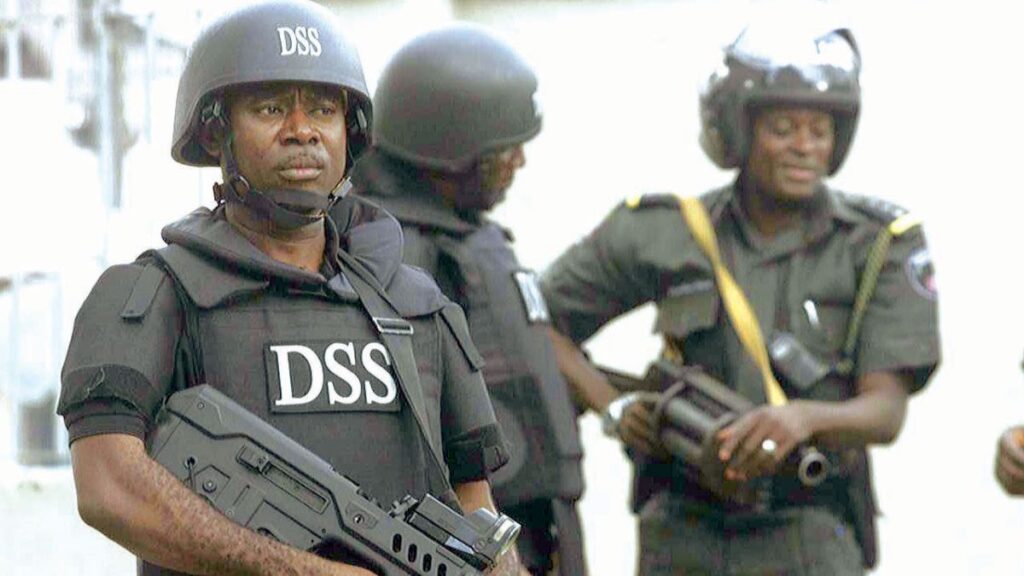
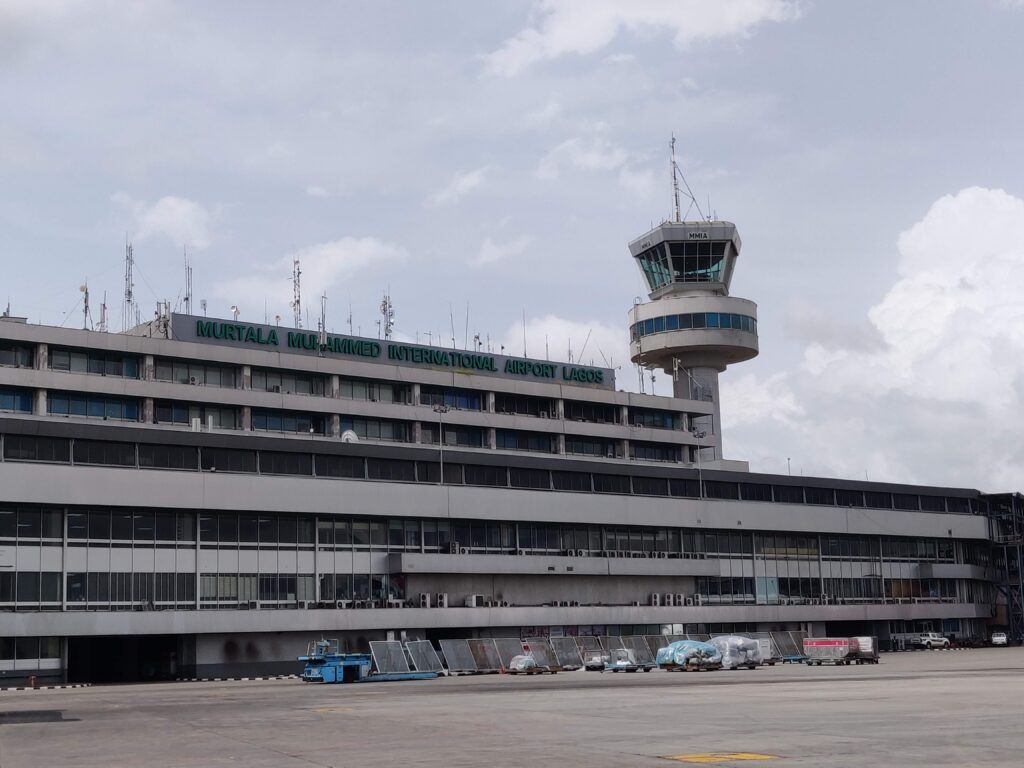
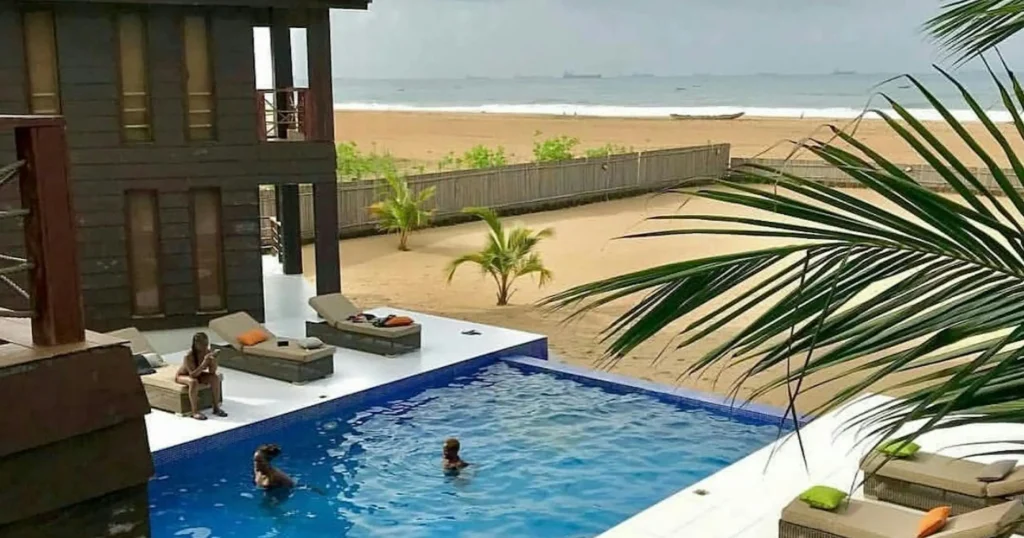
One of the key witnesses, identified as AAA, is an 18-year veteran of the Department of State Services (DSS). Testifying from behind a screen, he recounted the events of 14 October 2015, when he and a team arrested Kanu at the Golden Tulip Hotel near Lagos International Airport.
AAA said hotel staff initially denied Kanu was a guest. However, after obtaining a directive from DSS headquarters, agents searched rooms until they found Kanu in Room 303 with a young woman identified as Maria Ibezimakor.
He alleged that Kanu resisted arrest and headbutted a DSS officer named Bolaji. According to him, the hotel room resembled a broadcasting studio, filled with radio equipment.
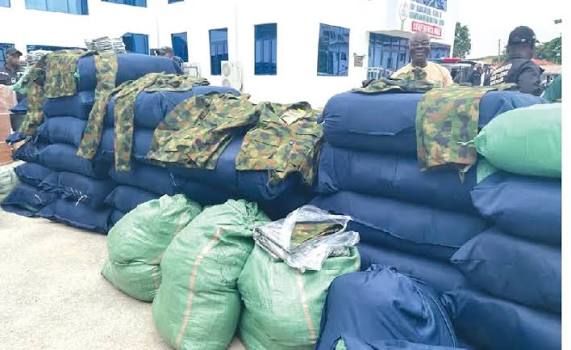
The team seized the equipment and took Kanu to the DSS command in Lagos, where he confirmed ownership of the items. The list of seized items was admitted as evidence in court.
AAA further testified that Kanu was interrogated the following day and that the session was recorded. The CD of the interrogation was tendered and played in court. In it, Kanu introduced himself and answered questions, stating he was fighting to improve people’s lives.
He admitted founding Radio Biafra and described himself as a communications engineer. He said that while he was in Nigeria, the station was managed from abroad by his colleague, Uche Mefor. He added that the radio had personnel in the US, Russia, Italy, and Sweden—but none in Nigeria. Listeners, he claimed, assisted with its propagation.
Kanu acknowledged he had no broadcasting licence in Nigeria, admitting it was illegal to operate without one, but argued that an application would not have been approved anyway.
He maintained that his activism was aimed at the emancipation of people in the South-East, South-South, and parts of Benue and Kogi States.
He also argued that freedom fighting is not a crime and that his actions are in line with the UN Charter on the right to self-determination and freedom of speech. He denied any involvement in violent activities.