











































































































































































































































































































Petroleum Strike Looms as FG Mediation with Labour, Dangote Fails

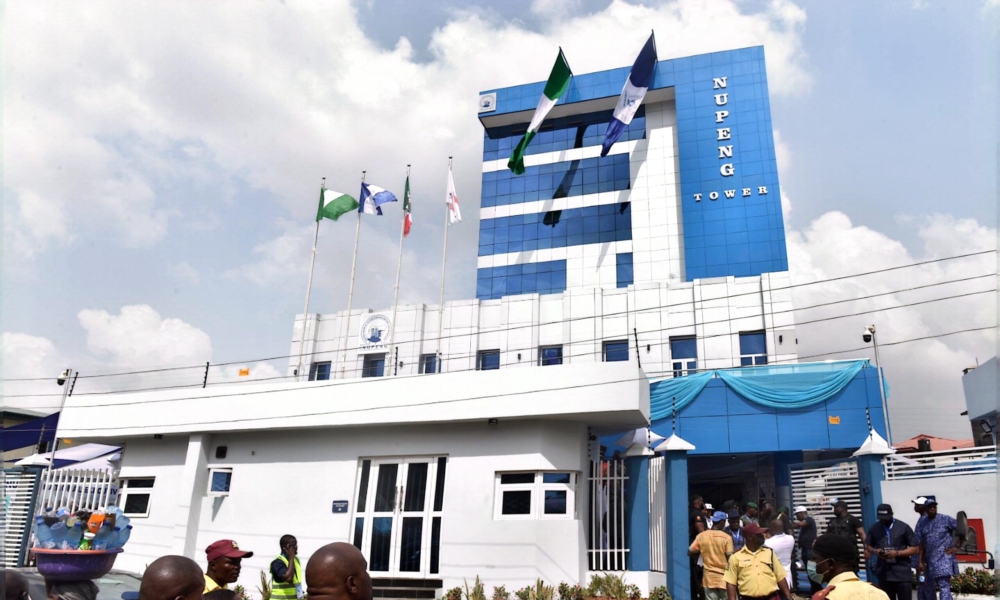
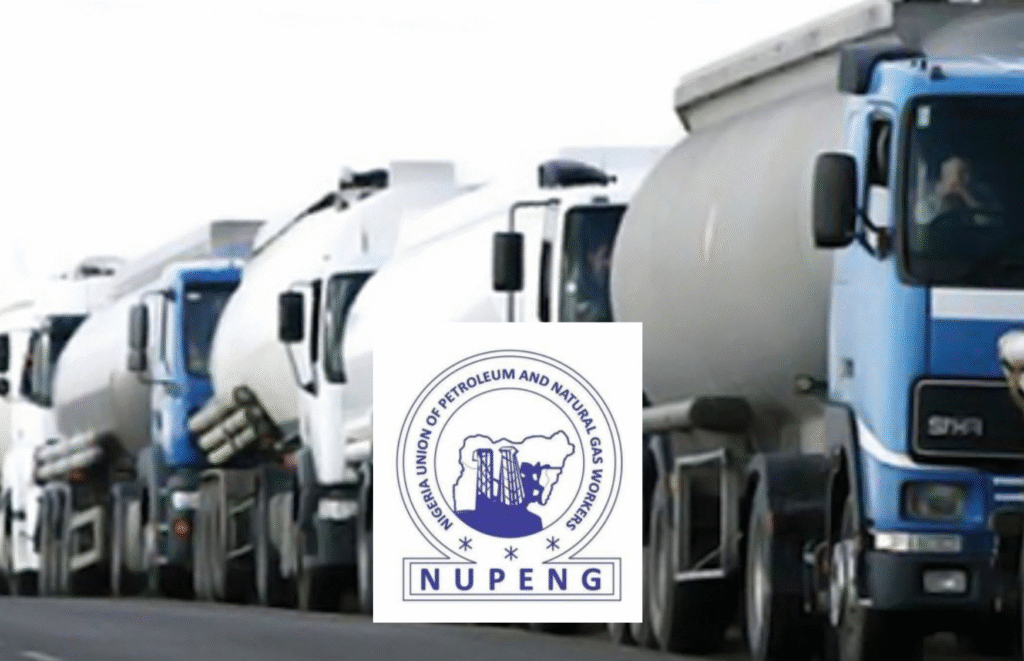
A closed-door meeting convened by the Federal Government to resolve the dispute between the Nigeria Union of Petroleum and Natural Gas Workers (NUPENG) and the Dangote Group has ended without agreement.
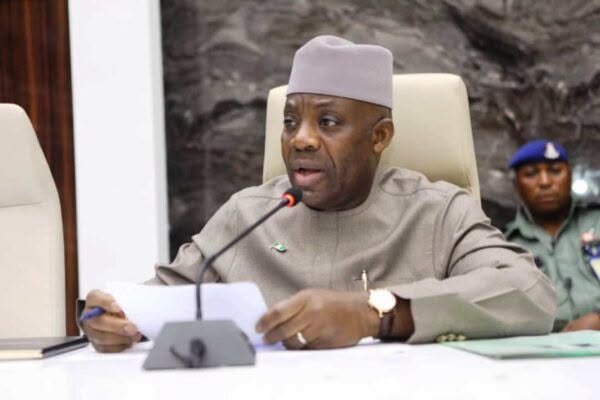
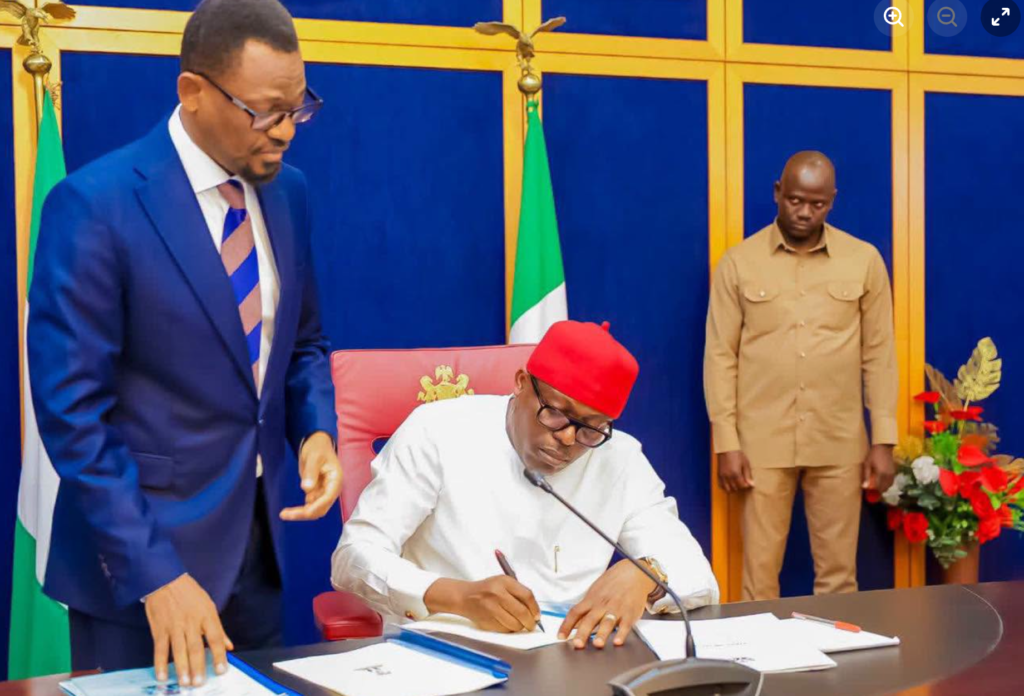
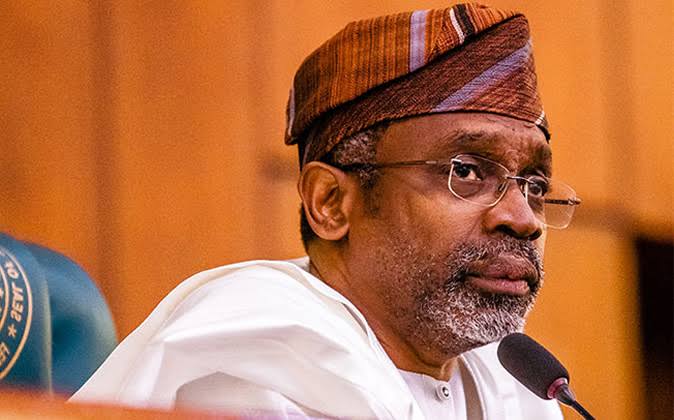
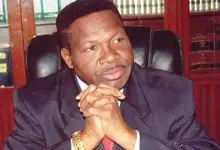
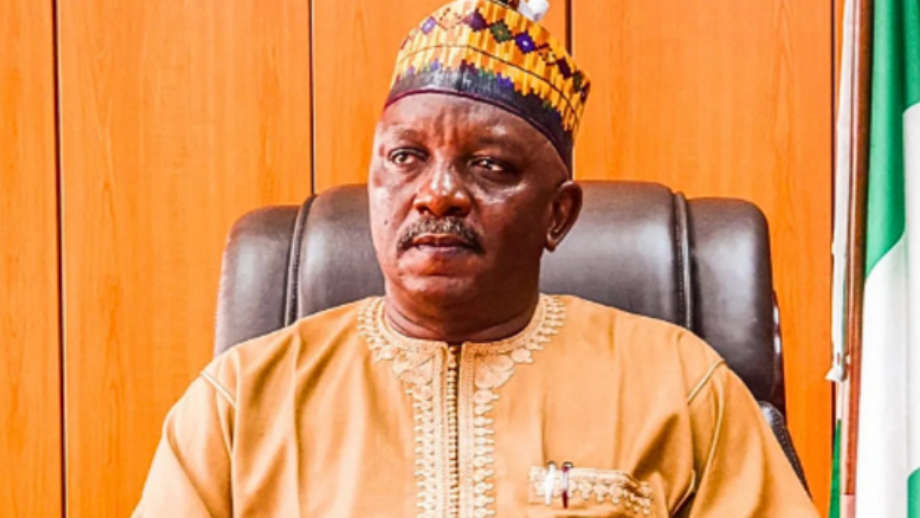
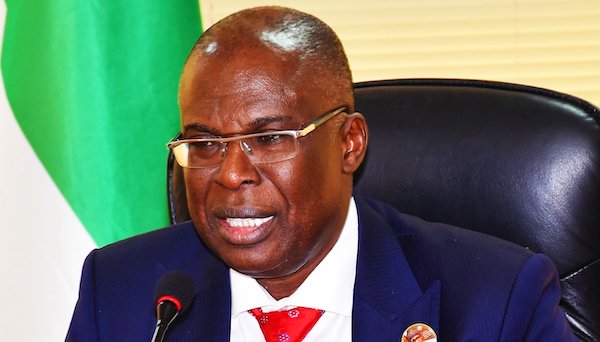
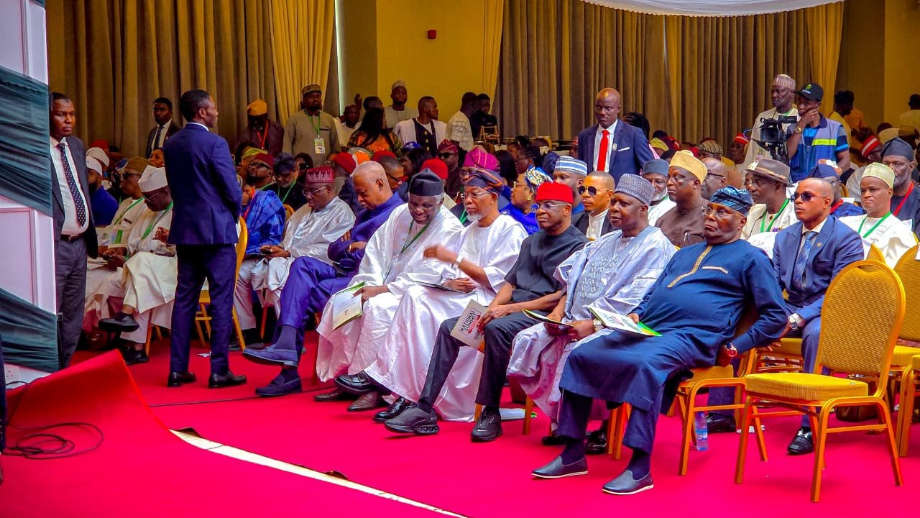
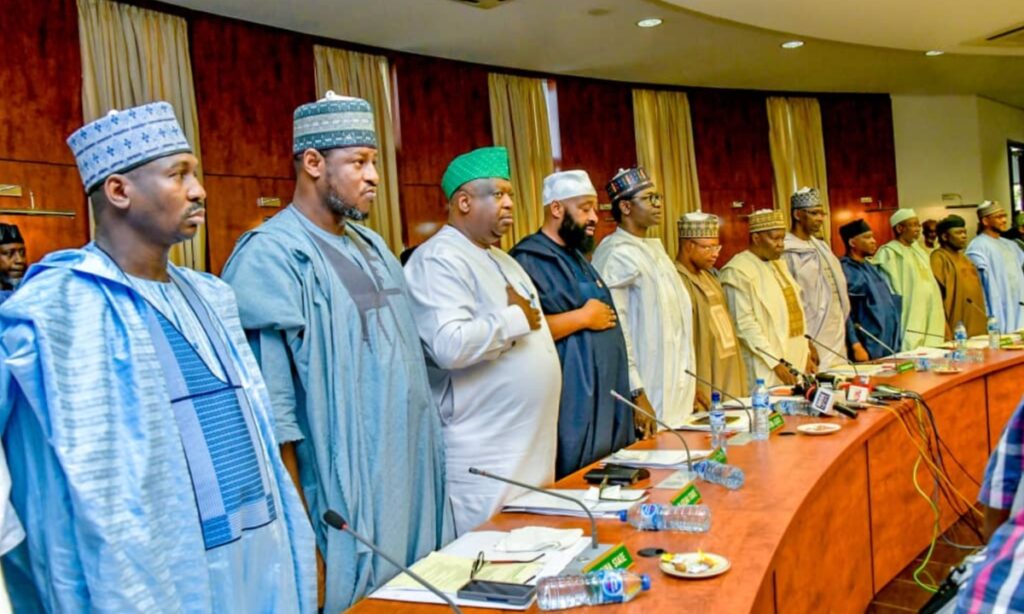
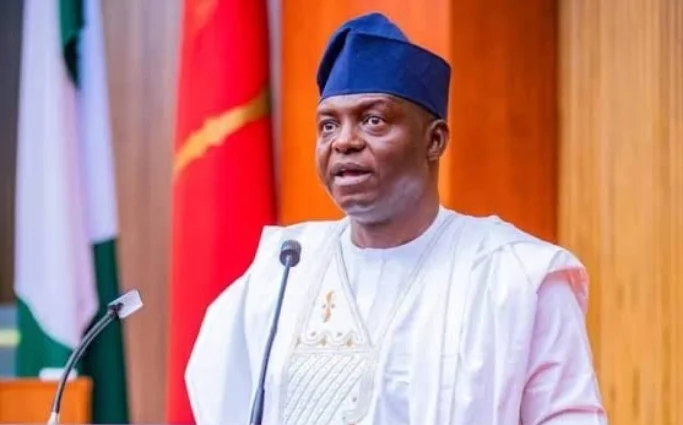
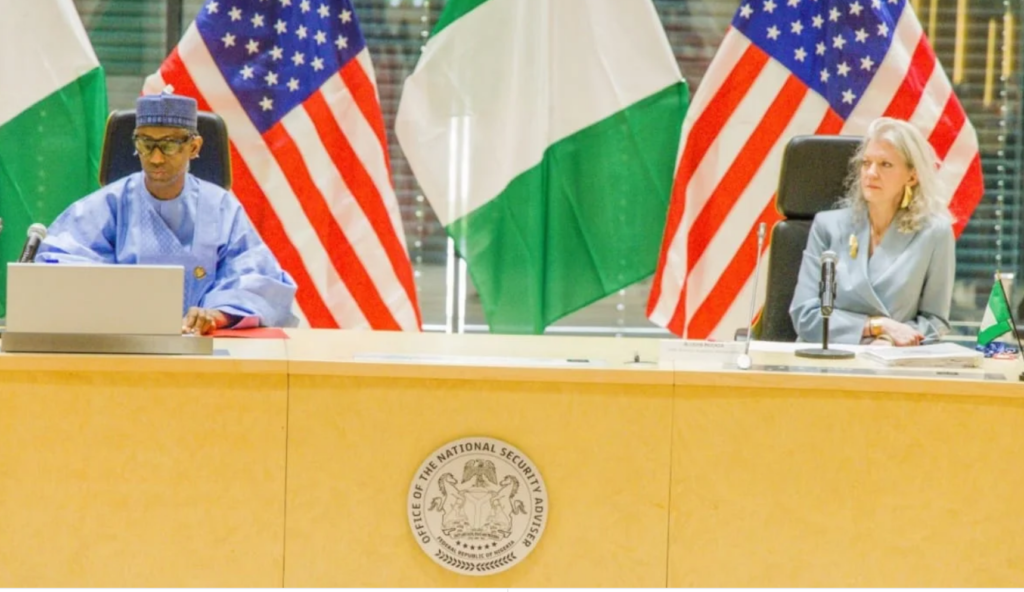
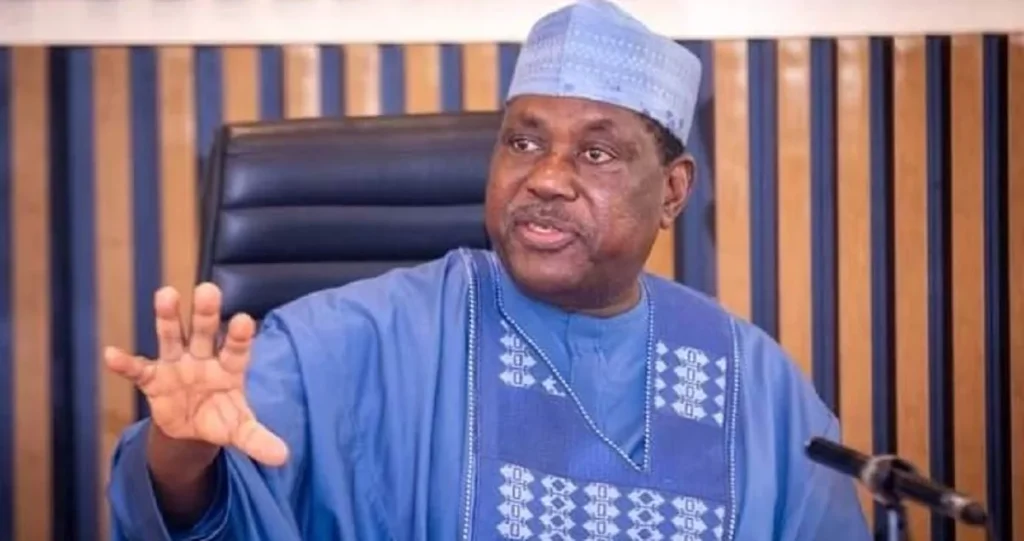
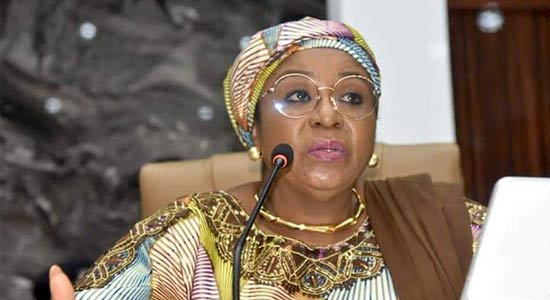
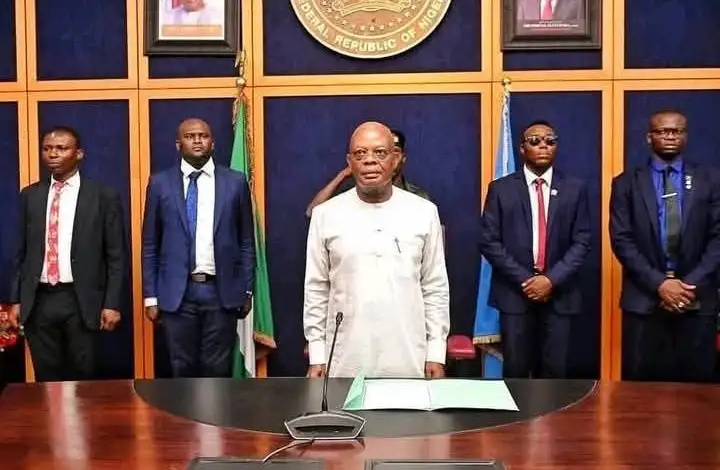
The session was chaired by the Minister of Labour and Employment, Mohammed Dingyadi, alongside the Minister of State for Labour and Employment, Nkiruka Onyejeocha. It was part of government efforts to prevent the industrial action planned by NUPENG.
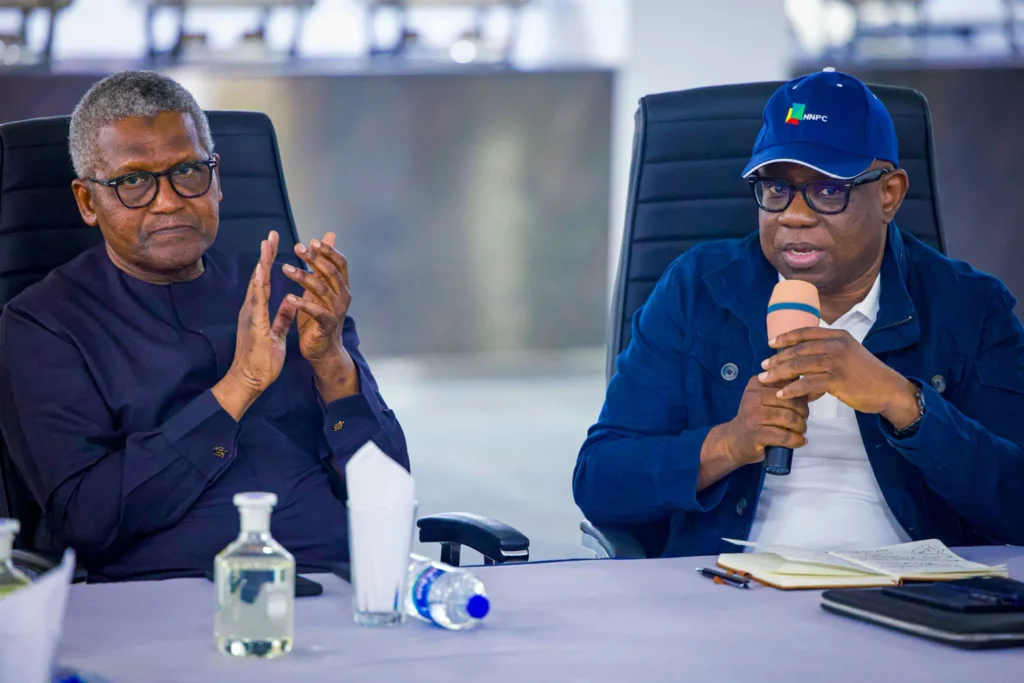
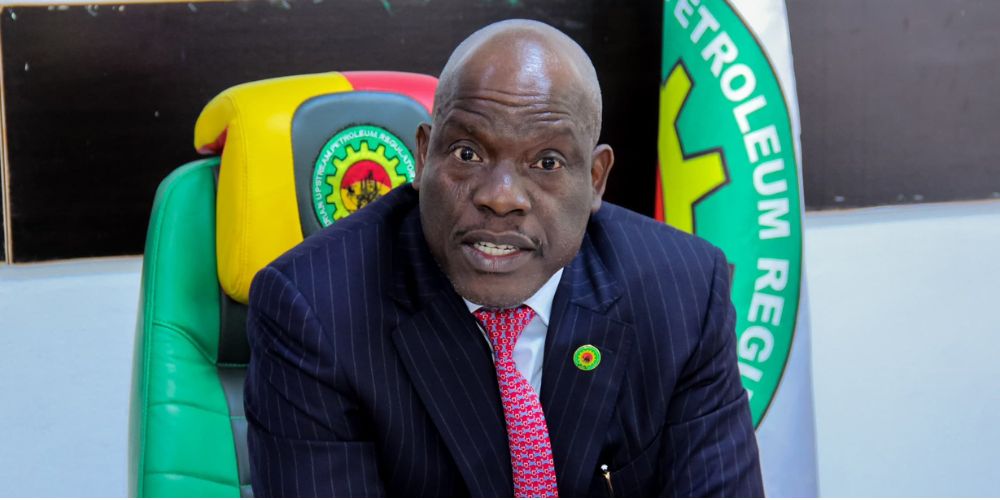
In attendance were the national executives of NUPENG, officials of the Nigeria Labour Congress (NLC) and the Trade Union Congress (TUC), the Executive Director for Distribution Systems, Storage and Retailing Infrastructure at the Nigerian Midstream and Downstream Petroleum Regulatory Authority (NMDPRA), Ogbugo Ukoha, as well as representatives of the Dangote Group and MRS Petroleum.
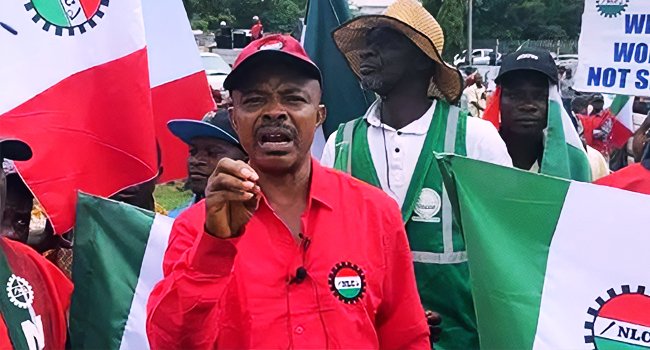
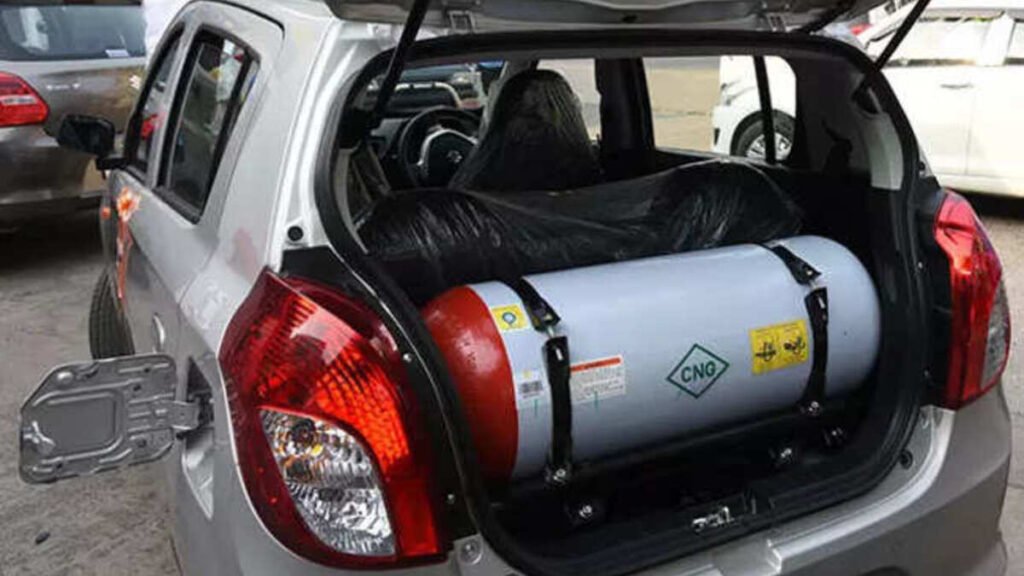
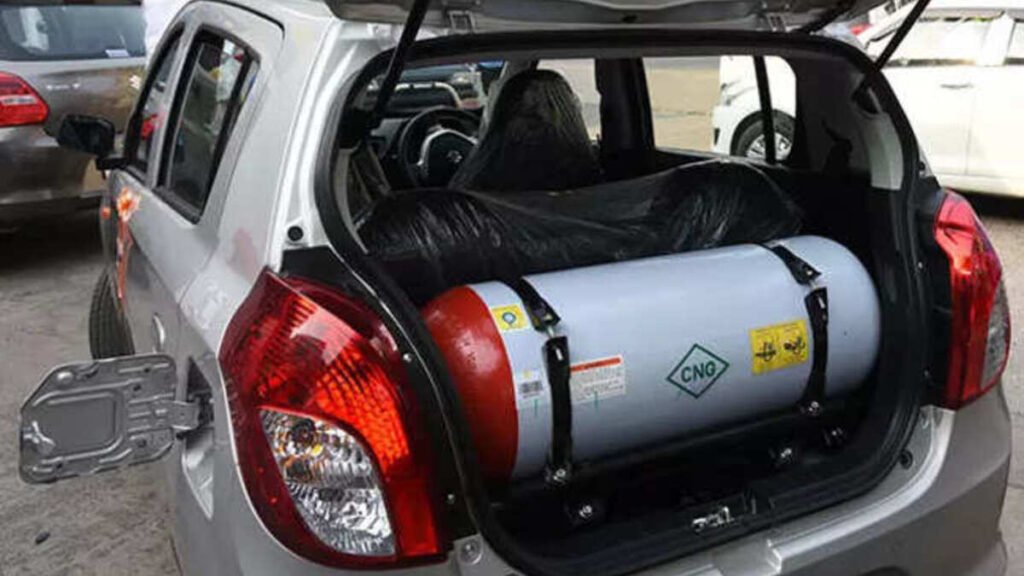
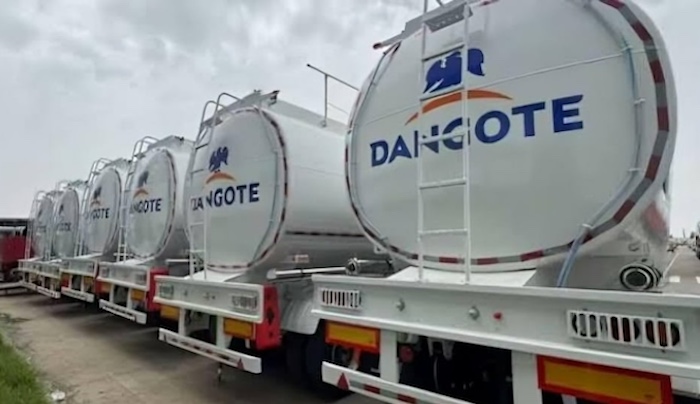
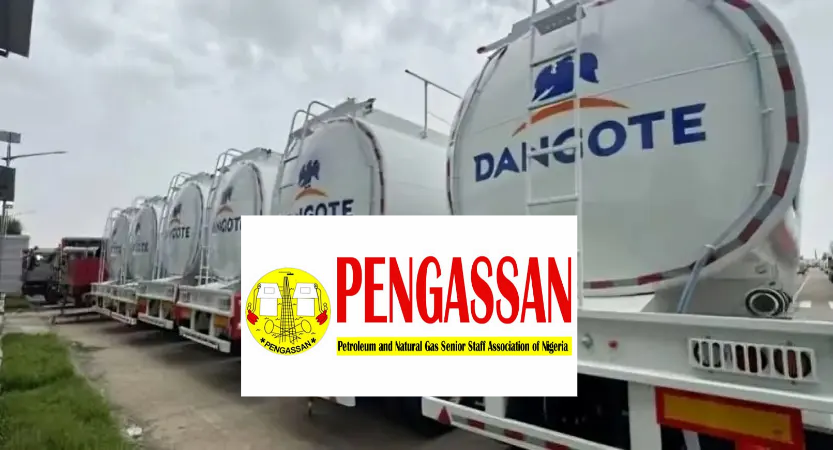
NUPENG had announced last Friday that its members would withdraw services from 8 September in protest against alleged attempts by Dangote Refinery to stop its compressed natural gas (CNG) tanker drivers from joining labour unions.
Although both the Petroleum Tanker Drivers (PTD) and the Direct Trucking Company Drivers Association (DTCDA) distanced themselves from the proposed strike, NUPENG reaffirmed on Sunday that it would proceed with the action.
Alarmed by the potential economic disruption, the Federal Government on Sunday appealed to the union to reconsider. Dingyadi, in a statement signed by the ministry’s Head of Information, Patience Onuobia, urged NUPENG to suspend the strike and embrace dialogue.
The Minister also called on the NLC to withdraw its ‘red alert’ directing affiliate unions to prepare for solidarity action against what it described as “anti-worker and anti-union practices” by the Dangote Group.
Dingyadi said:
“I have invited all the parties for a conciliation meeting tomorrow, Monday, 8 September 2025. Since I have intervened, I plead with NUPENG to rescind their decision to shut down the petroleum sector from tomorrow.
“The petroleum sector is very important to this country. It constitutes the core of the economy. A strike, even for just a day, will have an adverse impact, leading to huge revenue losses running into billions of naira and causing untold hardship for Nigerians.”
He assured Nigerians that the dispute would be resolved amicably, emphasising that stability in the petroleum sector was vital to national economic well-being.