


















































































































































































































































































































































































































Inflation Eases Marginally as Food Prices Continue to Drive Costs

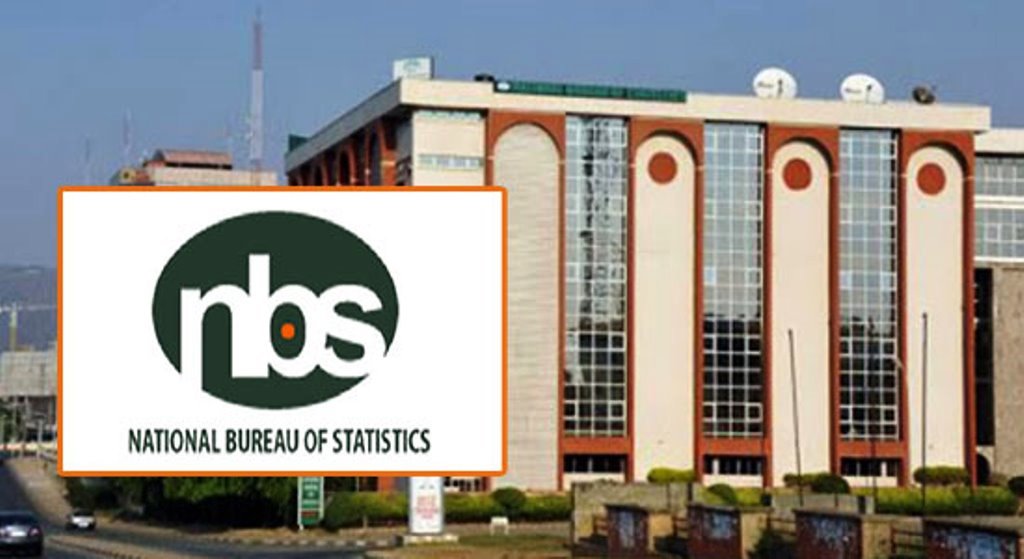
The National Bureau of Statistics (NBS) has reported that Nigeria’s headline inflation rate eased to 15.06 per cent in February 2026.
This was disclosed in the Consumer Price Index (CPI) and Inflation Report released in Abuja on Monday.
The figure represents a marginal decline of 0.04 percentage points from the 15.10 per cent recorded in January.
On a year-on-year basis, the February inflation rate was 11.21 percentage points lower than the 26.27 per cent recorded in February 2025.
However, on a month-on-month basis, inflation rose to 2.01 per cent in February, up by 4.89 percentage points from -2.88 per cent in January, indicating a faster pace of price increases.
The report identified food and non-alcoholic beverages (6.03 per cent), restaurants and accommodation services (1.95 per cent), and transport (1.61 per cent) as the major contributors to headline inflation.
The least contributors were recreation, sport, and culture (0.05 per cent), alcoholic beverages, tobacco, and narcotics (0.06 per cent), and insurance and financial services (0.07 per cent).
The CPI rose to 130.0 in February, reflecting a 2.6-point increase from 127.4 in January.
Food inflation stood at 12.12 per cent year-on-year, representing a decline of 14.86 percentage points from 26.98 per cent in February 2025. On a month-on-month basis, however, it rose to 4.69 per cent, up by 10.70 percentage points from -6.02 per cent in January.
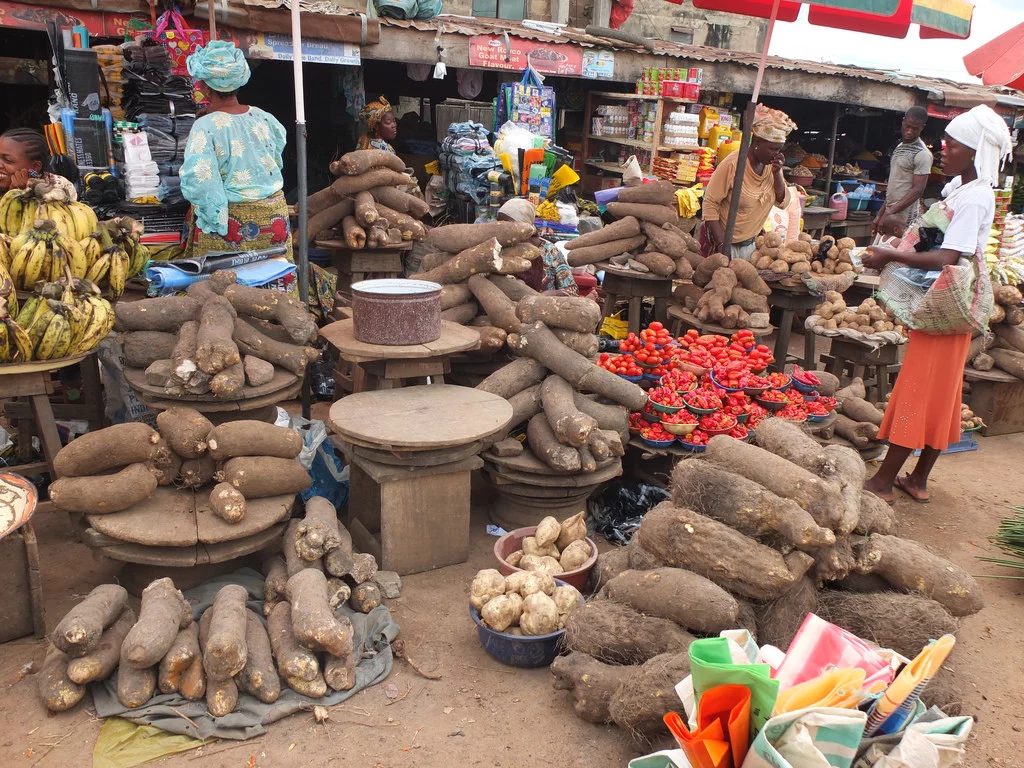
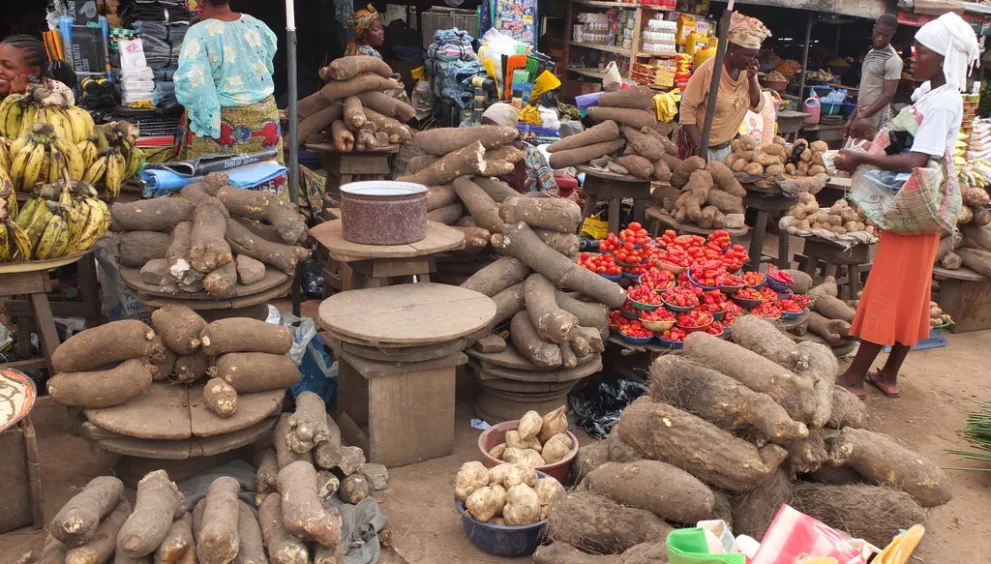
The NBS attributed the increase to higher prices of items such as beans, carrots, cassava, crayfish, millet flour, yam flour, snails, and ogbono.
Core inflation, which excludes volatile agricultural produce and energy prices, stood at 15.88 per cent year-on-year, down from 25.66 per cent in February 2025. On a month-on-month basis, it rose to 0.89 per cent from -1.69 per cent in January.
Urban inflation was 15.53 per cent year-on-year, while rural inflation stood at 13.93 per cent. On a month-on-month basis, urban inflation rose to 2.55 per cent, while rural inflation increased to 0.71 per cent.
State-by-state analysis showed that Kogi recorded the highest year-on-year inflation rate at 23.57 per cent, followed by Benue (22.85 per cent) and Anambra (22.09 per cent). Katsina recorded the lowest at 7.78 per cent, followed by Imo (11.66 per cent) and Ebonyi (11.71 per cent).
On a month-on-month basis, Enugu recorded the highest inflation rate at 5.92 per cent, followed by Ogun (4.39 per cent) and Anambra (4.11 per cent), while Zamfara (-2.14 per cent), Bauchi (-1.23 per cent), and Katsina (-1.06 per cent) recorded declines.