











































































































































































































































































































































































































Lagos Court Awards Falana $25,000 Damages Against Meta Over Privacy Breach


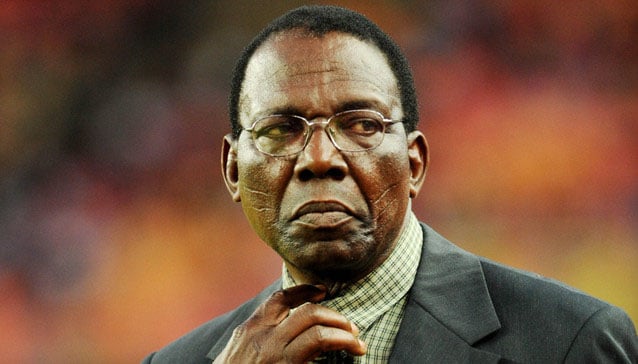
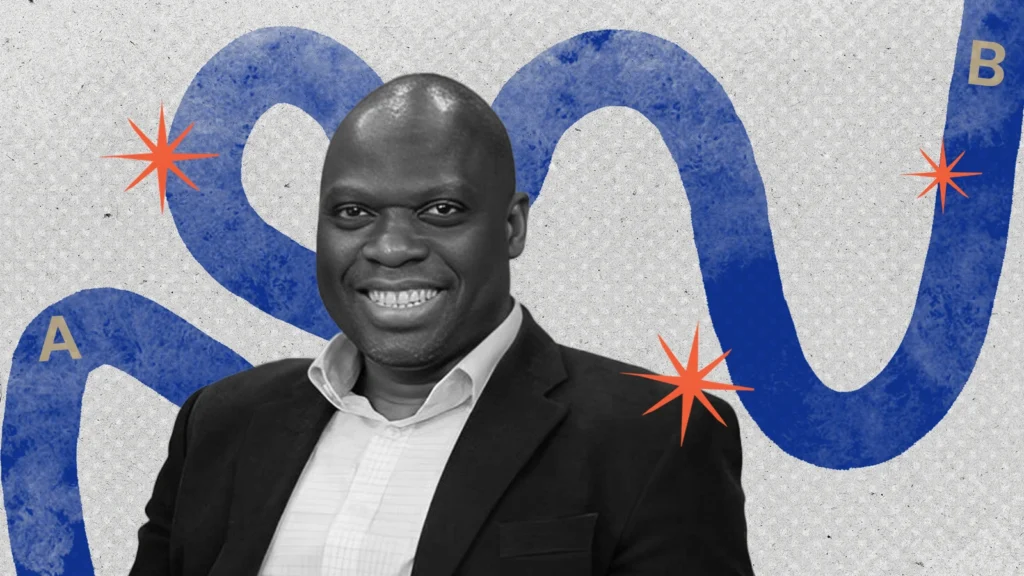
The Lagos High Court sitting at Tafawa Balewa Square has awarded $25,000 in damages to Mr. Femi Falana, SAN, in his $5 million lawsuit against Meta Platforms Inc., the United States-based technology company owned by Mr. Mark Zuckerberg, over the alleged invasion of his privacy.
Delivering judgement on Tuesday, Justice Olalekan Oresanya held that a global technology company such as Meta, which hosts online pages for commercial benefit, owes a duty of care to individuals affected by content disseminated on its platform.
Mr. Falana, through his counsel, Mr. Olumide Babalola, accused Meta of publishing motion images with voice captions titled “AfriCare Health Centre” on its platform, which falsely claimed that he was suffering from a disease known as prostatitis. He argued that the publication constituted a violation of his right to privacy as guaranteed under Section 37 of the Constitution of the Federal Republic of Nigeria, 1999.
The suit was also brought pursuant to Section 24(1)(a) and (e) and Section 34(1)(d) of the Nigeria Data Protection Act (NDPA), 2023, as well as Order 2 Rule 1 of the Fundamental Rights (Enforcement Procedure) Rules, 2009.
Mr. Falana maintained that the false video concerning his health status had damaged his reputation and the name he had built over several decades. He further contended that the publication, which he described as false, offensive, and disturbing, portrayed him in a false light and caused him mental and emotional distress.
In its judgement, the court rejected the argument that online platforms can rely solely on “hosting” or “intermediary” defences where they monetise content and where harm arising from misinformation is reasonably foreseeable.
Reacting to the ruling, Mr. Babalola said the decision reinforced a standard of platform accountability under Nigerian law that aligns with emerging global jurisprudence.
The court also held that “the fact that the applicant is a public figure does not rob him of his right to privacy”. It found that the publication of false medical information intruded into the claimant’s private life, regardless of his public status.
According to Mr. Babalola, the finding settles a long-standing misconception in Nigerian legal practice and affirms that health data enjoys heightened protection, even for public figures.
The court further held that Meta determines the means and purposes of processing content, monetises pages, and controls distribution algorithms, thereby acting as a joint data controller alongside page owners. Consequently, Meta was found vicariously liable for the offensive video.
Describing the judgement as a significant development under the NDPA, Mr. Babalola said it weakens the “mere platform” defence traditionally relied upon by major technology companies.
The court also ruled that Meta breached Section 24 of the NDPA by processing personal data that was inaccurate, harmful, lacked a lawful basis, and was unfair to the learned Senior Advocate. The false health information was deemed unlawful processing per se.
Justice Oresanya emphasised that where the risk of inaccuracy is foreseeable—particularly in relation to sensitive personal data—platforms owe a heightened duty to ensure accuracy and integrity. He held that Meta failed to deploy adequate safeguards to prevent or mitigate harm.
As a global technology company with substantial resources, Meta was expected to implement effective content review systems, rapid takedown mechanisms, and safeguards proportionate to the risks posed by misinformation. Its failure to do so, the court ruled, amounted to regulatory non-compliance.