

































































































































































































































































































































































































































Cybercrime among greatest threats of digital age, ICPC warns students

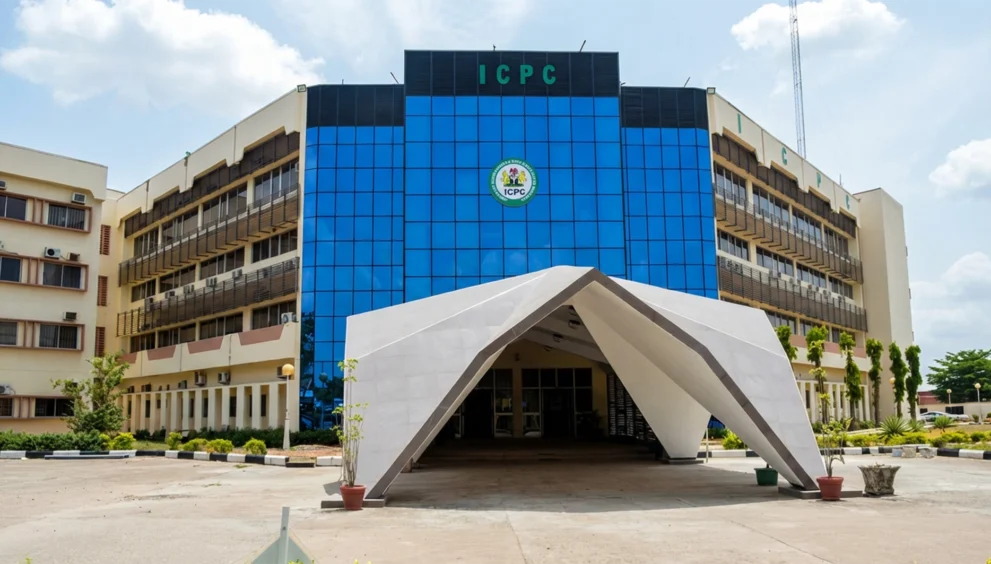
The Independent Corrupt Practices and Other Related Offences Commission (ICPC) has described cybercrime as one of the greatest challenges confronting the digital age.
The commission said that while laws and institutions play critical roles in addressing the menace, ethical individuals remain society’s strongest defence.
An ICPC Chief Superintendent, Mr. Laaro Sulyman, stated this on Wednesday while delivering a lecture at a two-day orientation programme for newly admitted students of the Federal University of Health Sciences (FUHSI), Ila-Orangun, Osun State.
The lecture was themed “Cybercrime Legislation: Global Perspectives, Challenges and Ethical Use of Social Media.”
Sulyman noted that the digital age had transformed how people learn, communicate and conduct business, but warned that these benefits had been accompanied by growing threats.
According to him, crimes committed through digital means now affect individuals, institutions, governments and global security.
He said universities—particularly health sciences institutions that handle sensitive data—were increasingly becoming targets of cybercriminals.
“Despite global and national efforts, several challenges persist in the fight against cybercrime,” Sulyman said.
He identified rapid technological advancement, where innovation outpaces laws and enforcement mechanisms, as a major challenge.
According to him, jurisdictional complexities also make it possible for cybercrimes committed in Nigeria to be executed from other countries.
Describing cybercrime as criminal activities carried out using computers, digital devices or the internet, Sulyman warned students against engaging in such acts.
“Common forms of cybercrime affecting students include online fraud and scams, identity theft and impersonation, cyberstalking and cyberbullying, phishing emails and fake links, among others,” he said.
He added that because cybercrime is not limited by national borders, countries are compelled to collaborate through international frameworks.
Sulyman advised students to protect their personal information, verify content before sharing and avoid suspicious links and platforms.
“The ICPC believes that corruption prevention begins with awareness, integrity and responsible behaviour,” he said.
“As newly admitted students of the Federal University of Health Sciences, you are encouraged to use technology responsibly, uphold ethical values, be law-abiding citizens and become agents of positive change.”
Also speaking, the Head of the university’s Department of Microbiology, Dr. Gbemisola Onipede, urged students to adopt a positive attitude towards their studies.
Onipede spoke on Rules and Regulations Guiding Academic Activities in the University: Attitude Towards Examinations and Academic Standing.
She encouraged the students to aim high academically, noting that only a positive mindset could enable them to excel.
“A positive mindset can help you achieve higher grades. A negative attitude does not lead to success in the university,” she said.
Similarly, the Obalofin of Ila-Orangun, Chief Douglas Oyinlola, briefed the students on the history of the town, while they were also oriented on the rules and regulations guiding academic activities in the university, among other issues.