































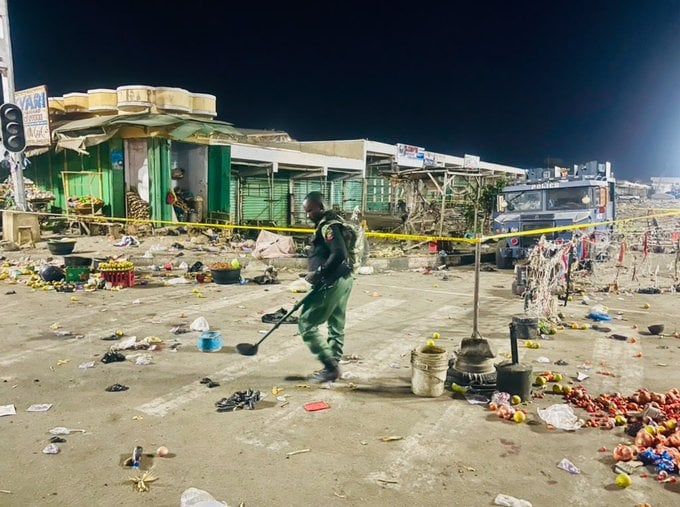































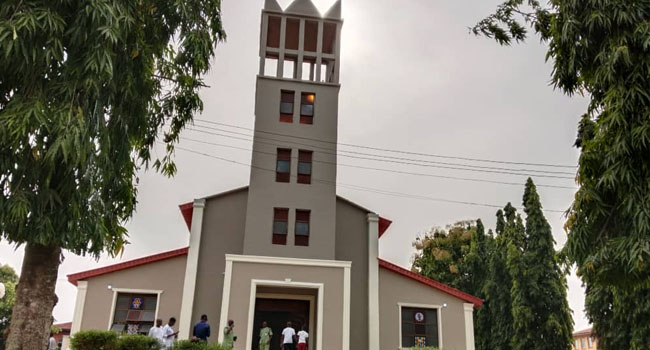


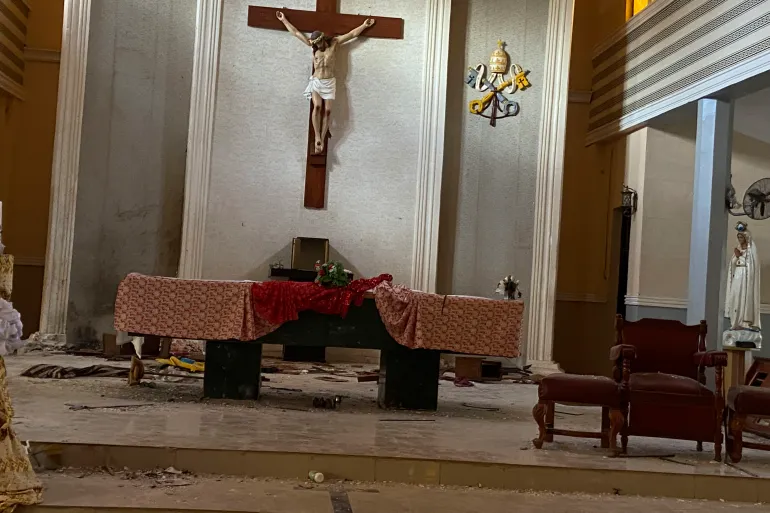
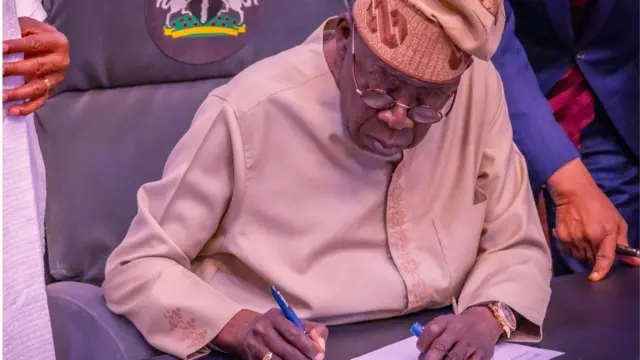






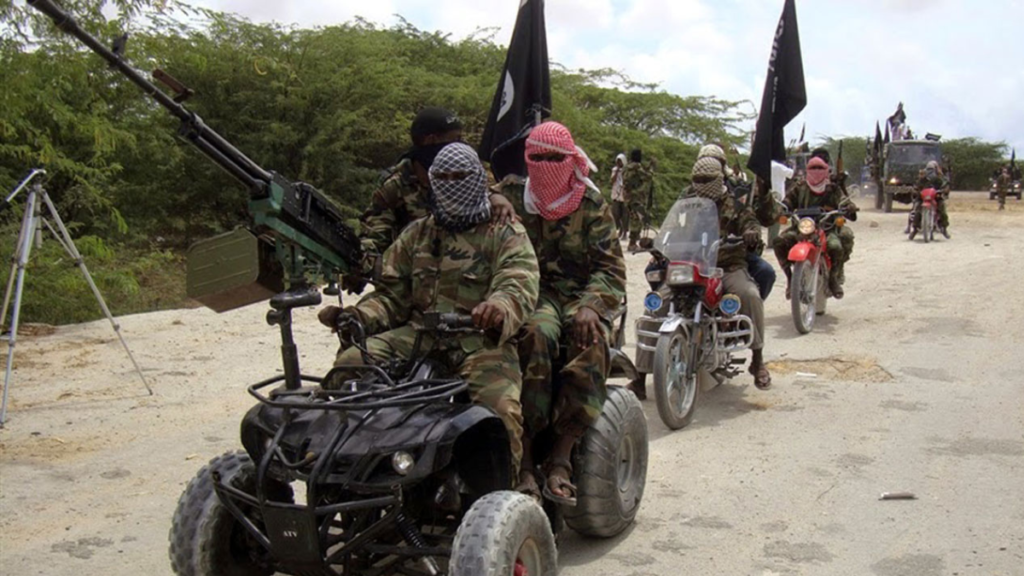

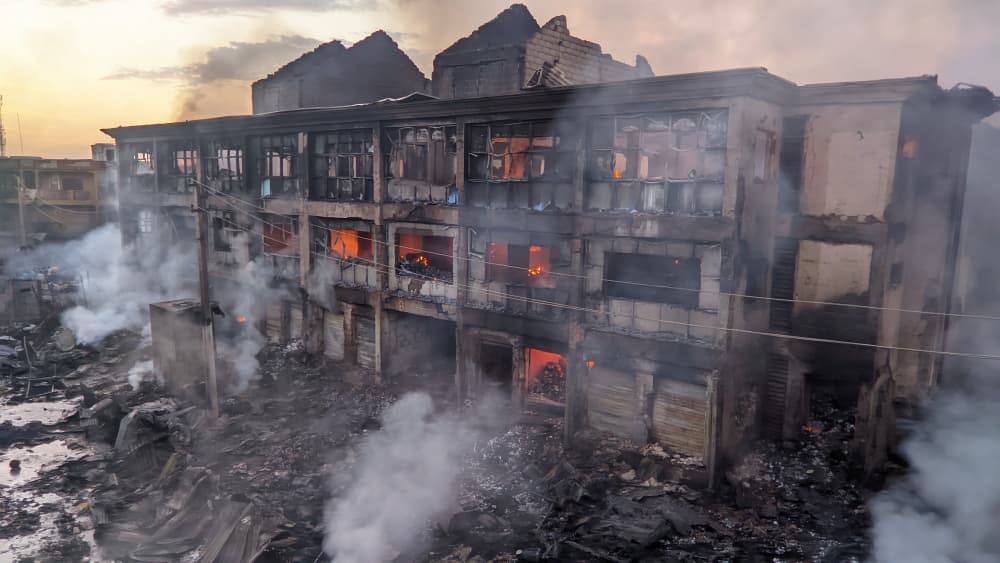






































































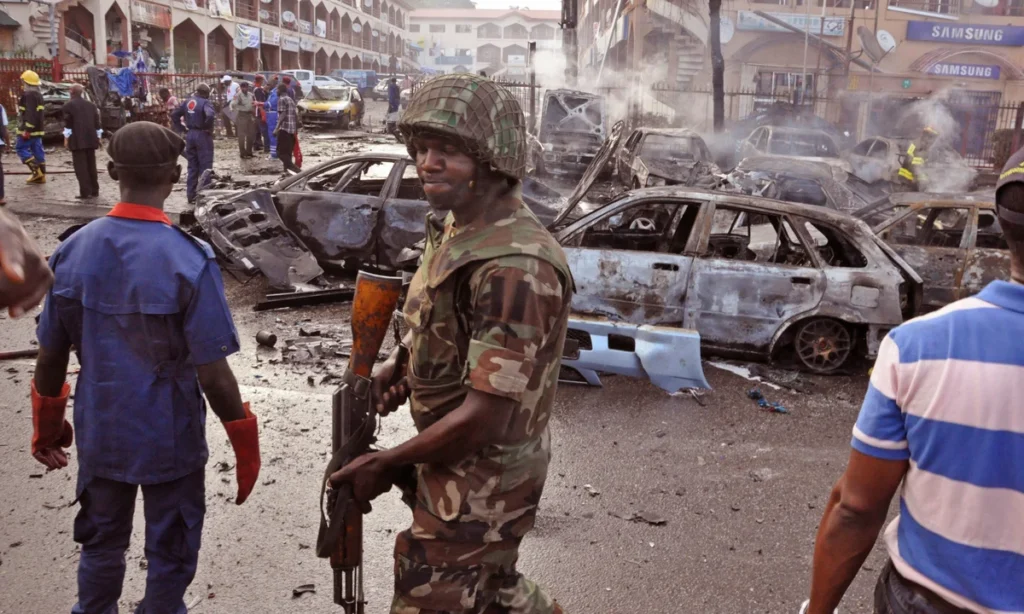





























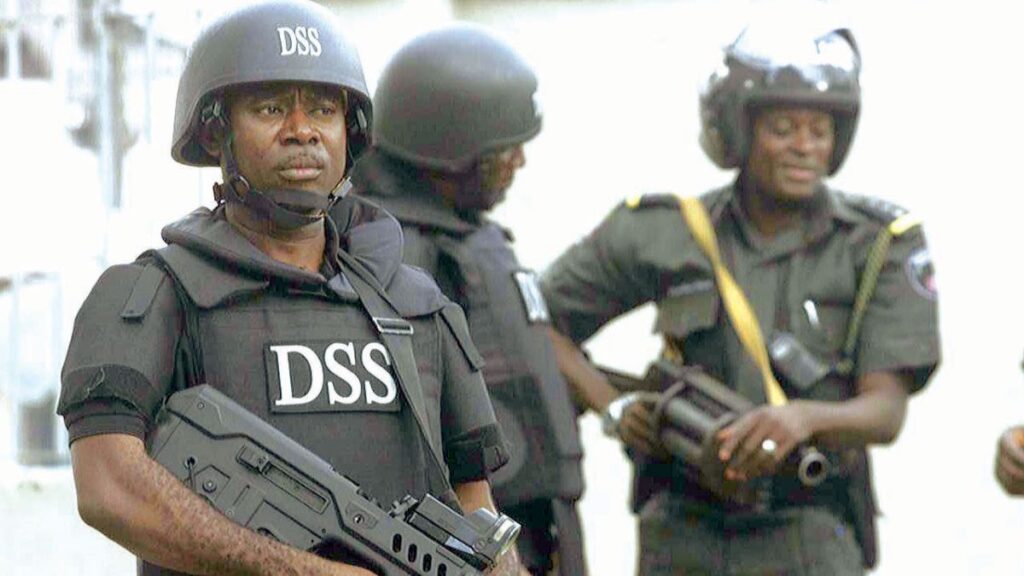







































































































































































Tension has erupted in Jos just hours after the Plateau State Government eased the 48-hour curfew imposed following the deadly Sunday night attack in Anguwan Rukuba. Reports indicate that sporadic violence broke out in parts of the city, with unconfirmed claims of fresh casualties. The situation triggered panic among residents, forcing traders who had earlier resumed business activities to abandon their shops and flee to safety. Eyewitnesses described scenes of confusion as people fled for cover amid fears of renewed attacks. Security presence is said to be increasing in affected areas, although authorities have yet to officially confirm the latest developments. The curfew was initially imposed to restore calm after the earlier killings, but the fresh unrest has raised concerns about the fragile security situation in the state. Authorities have urged residents to remain calm and vigilant as efforts continue to restore order. Unidentified gunmen, reportedly riding on a motorcycle, shot and killed at least 28 people in the area on Sunday. A resident, who spoke to Channels Television via a phone call on condition of anonymity, said the attack occurred around the Anguwan Rukuba junction in the evening. In the aftermath of the attack, angry youths reportedly blocked major roads within the community, raising fears of escalating tension. The latest attack came weeks after no fewer than 20 security operatives and vigilantes were reportedly killed when heavily armed bandits ambushed a joint patrol team in Wanka and surrounding communities of the Garga area in Kanam Local Government Area. The Anguwan Rukuba attack prompted the University of Jos to reschedule examinations scheduled for March 30 and 31. In a statement on Monday, the Deputy Registrar, Information and Public Relations of the university, Emmanuel Madugu, urged staff and students to remain vigilant and avoid unnecessary movement. Governor Caleb Mutfwang, in a statewide broadcast on Tuesday, said that the state would not succumb to fear or intimidation.


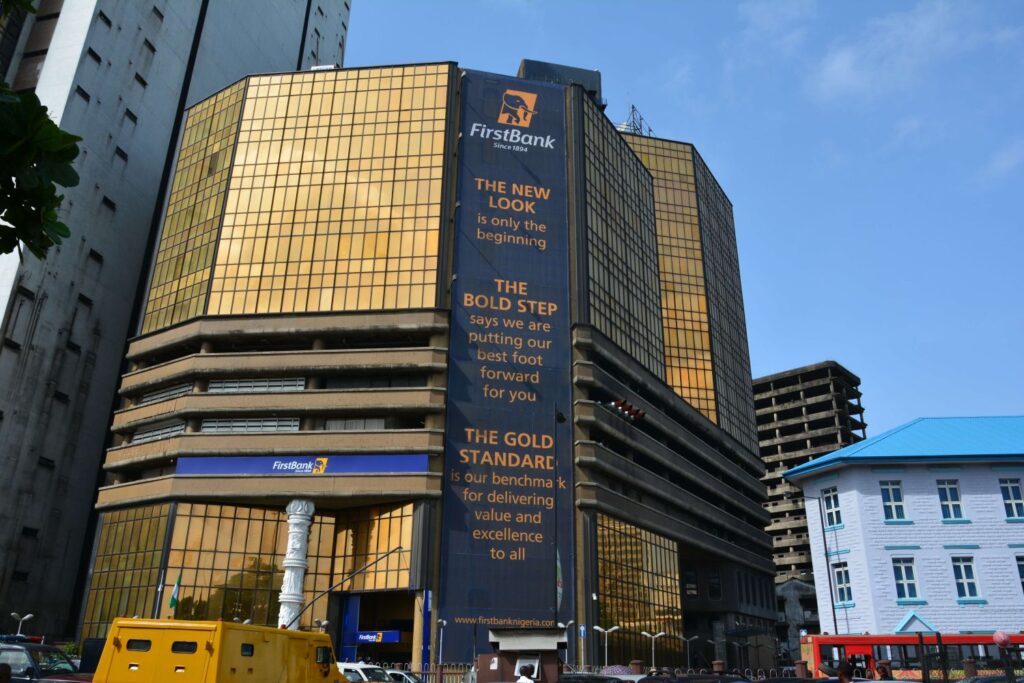
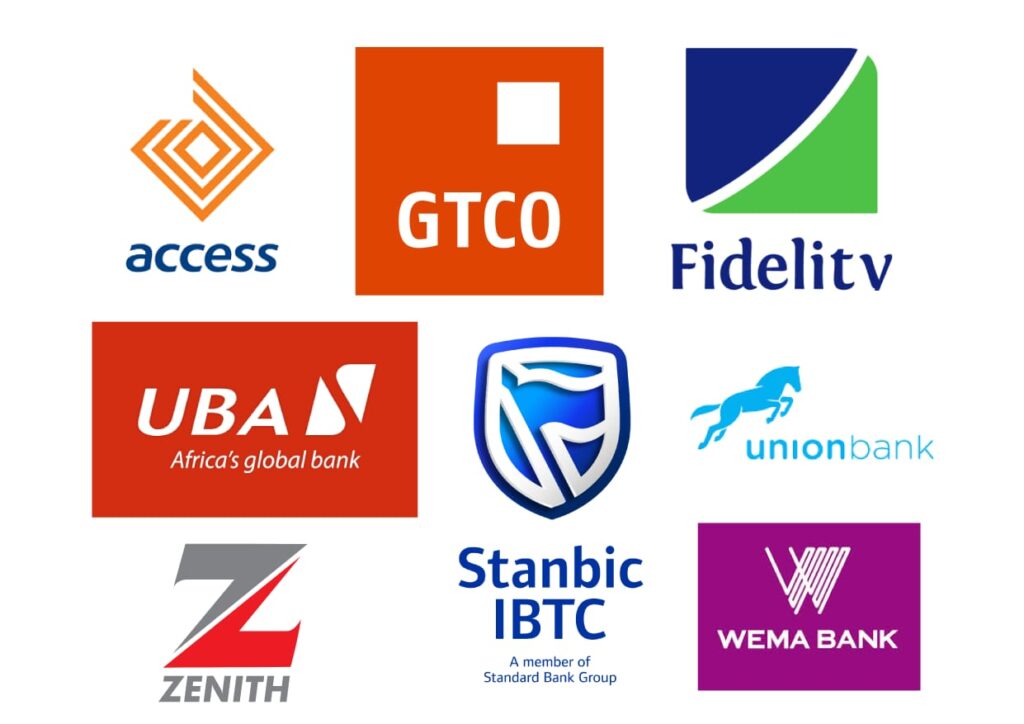
The Central Bank of Nigeria (CBN) has announced the successful completion of its banking sector recapitalisation programme, revealing that 33 banks met the revised minimum capital requirements after raising a combined ₦4.65 trillion.
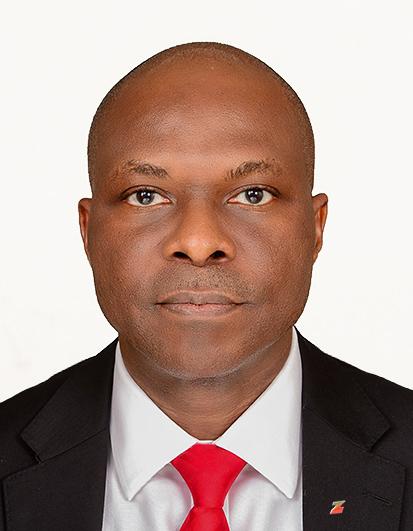
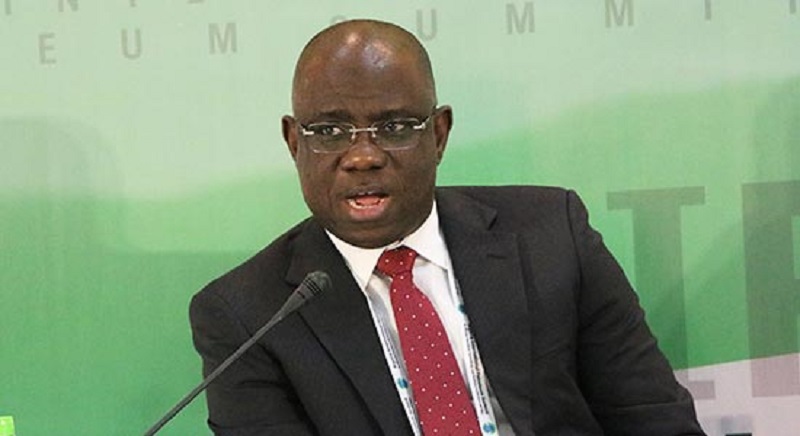
This was contained in a statement jointly signed on Wednesday by the CBN’s Director of Banking Supervision, Olubukola Akinwunmi, and Acting Director of Corporate Communications, Hakama Sidi Ali.
The exercise, which began in March 2024 and lasted 24 months, drew significant participation from both domestic and foreign investors, underlining sustained confidence in Nigeria’s financial system.
According to the regulator, 72.55 per cent of the funds were sourced locally, while 27.45 per cent came from international markets.
CBN Governor Olayemi Cardoso said the programme has positioned the banking sector for greater resilience and economic support.
“The recapitalisation programme has strengthened the capital base of Nigerian banks, reinforcing the resilience of the financial system and ensuring it is well-positioned to support economic growth and withstand domestic and external shocks,” he said.
The regulator noted that the recapitalisation exercise significantly improved capital adequacy ratios (CAR), with the sector maintaining levels above international Basel benchmarks.
Under the framework, minimum CAR thresholds remain at 10 per cent for regional and national banks and 15 per cent for institutions with international licences.
While 33 banks have met the new requirements, the CBN disclosed that a limited number of institutions are still undergoing regulatory and judicial processes.
It, however, assured that all banks remain fully operational and continue to provide uninterrupted services to customers.
The regulator added that the programme, implemented alongside a gradual exit from regulatory forbearance, has also improved asset quality and strengthened balance sheet transparency across the industry.
To consolidate the gains, the CBN said it has strengthened its risk-based capital adequacy framework, requiring banks to conduct regular stress tests and maintain adequate capital buffers under different economic scenarios.
It added that prudential guidelines and supervisory measures would continue to be reviewed periodically to enhance governance, risk management, and overall sector stability.
Despite the scale of the recapitalisation, the apex bank emphasised that the process was executed without any disruption to banking operations, ensuring continuous access to financial services for individuals and businesses.
“The Central Bank of Nigeria remains committed to maintaining a stable, transparent, and resilient financial system that inspires confidence among depositors, investors, and the broader public,” the statement added.