

































































































































































































































































Why Tinubu Took Bold Economic Steps — Shettima Tells Business Leaders

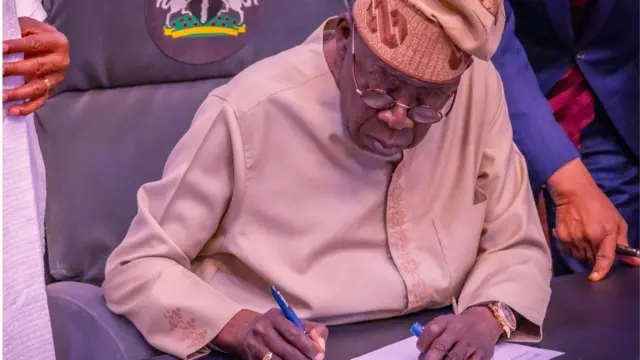
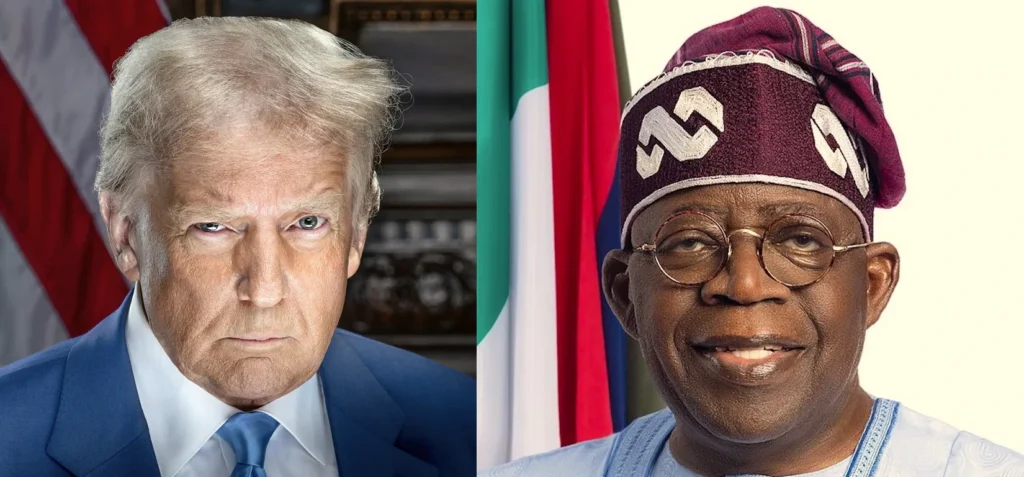
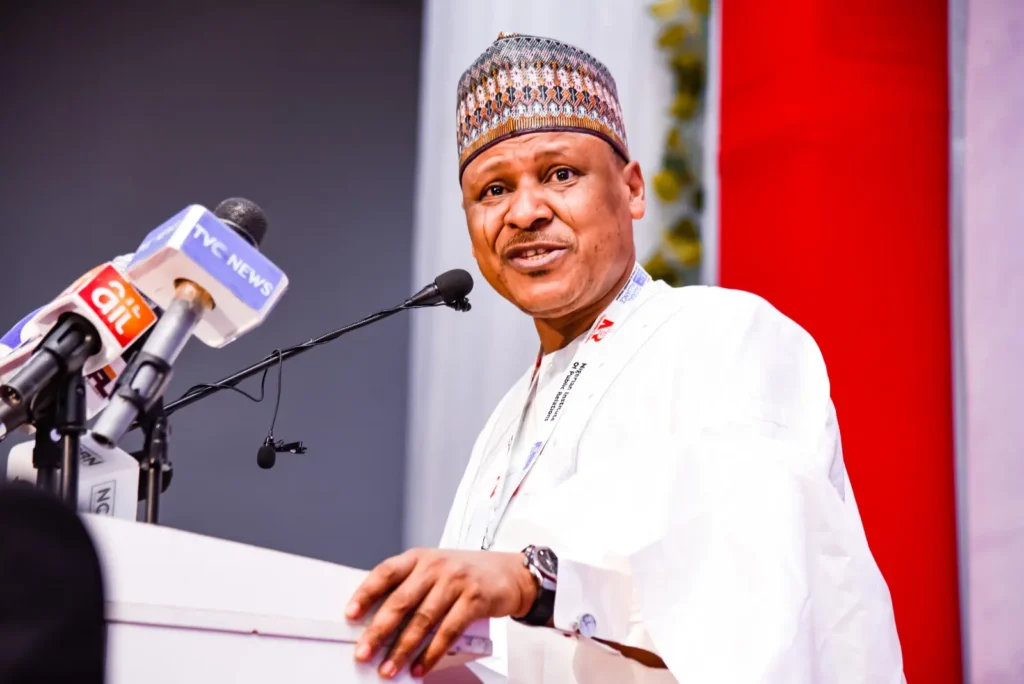
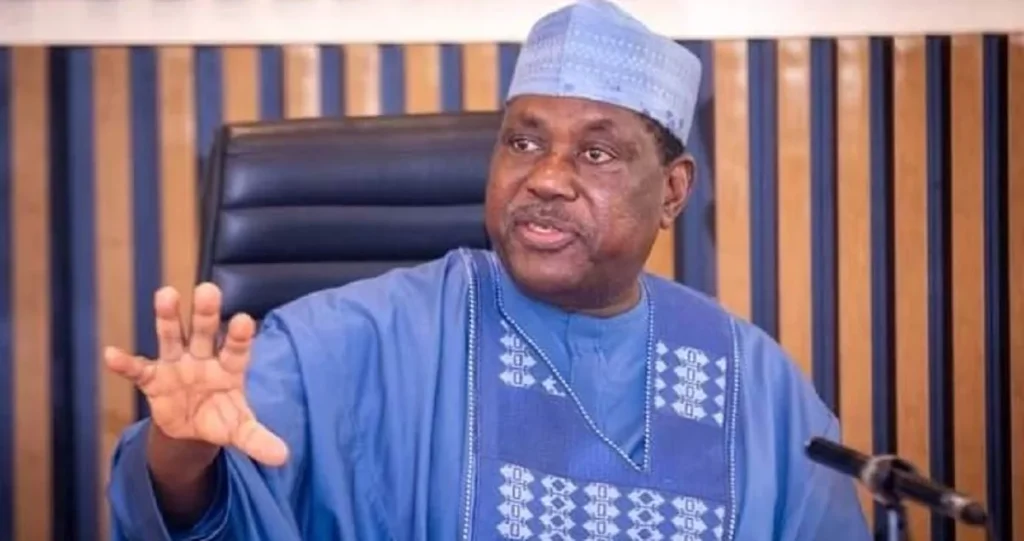
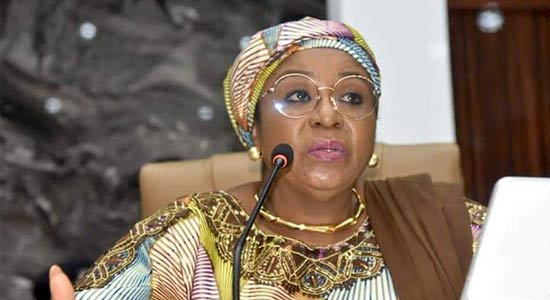
Vice-President Kashim Shettima has reiterated that President Bola Tinubu’s economic reforms are designed to serve the best interests of Nigerians, despite resistance from entrenched interests.
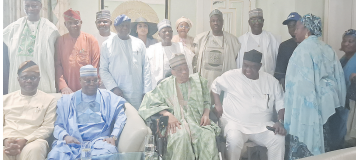
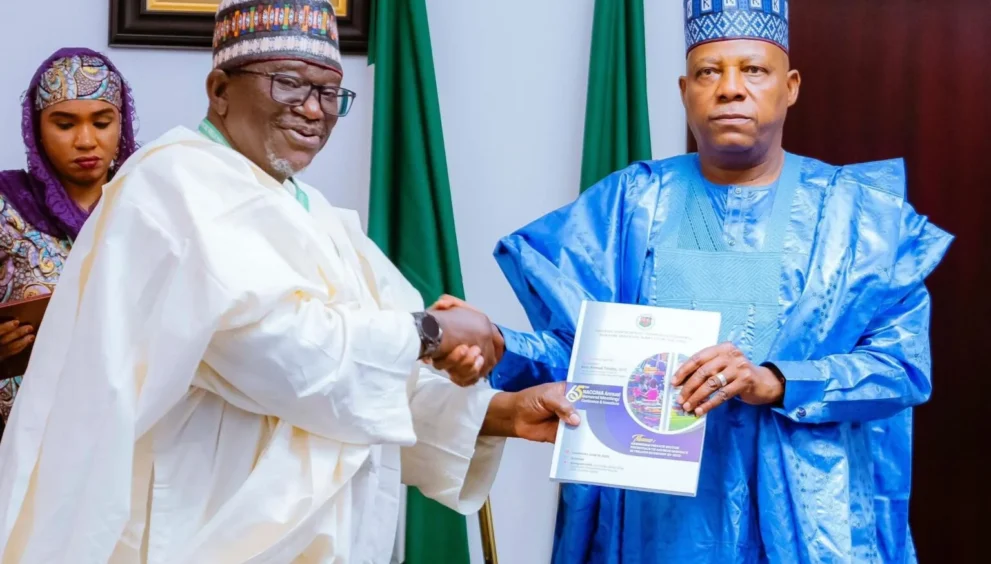
Speaking while receiving a delegation from the Nigerian Association of Chambers of Commerce, Industry, Mines and Agriculture (NACCIMA) at the Presidential Villa, Abuja, Shettima said the administration is focused on economic revitalisation and creating a conducive environment for business.
Key policy decisions, including the removal of the fuel subsidy, unification of the foreign exchange market, and tax reform initiatives, were highlighted by the Vice-President as measures intended to reposition the economy.
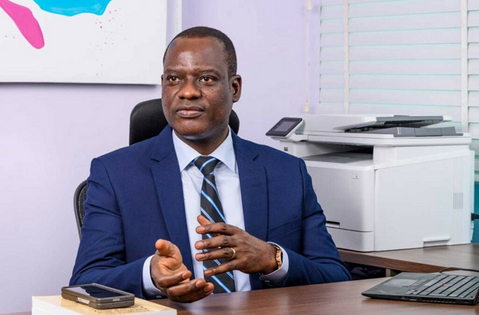
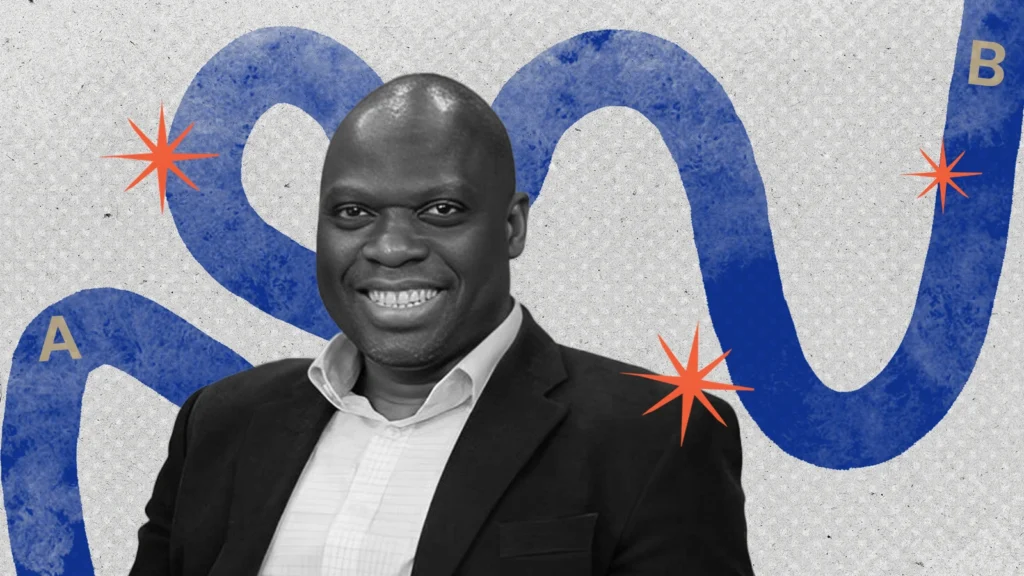
“I can assure you that Nigeria is ready for business. You are the drivers of change,” he told the business delegation led by NACCIMA President, Mr Jani Ibrahim.
“I plead guilty to aligning with the business community, the manufacturing and productive sectors. This is how great nations are built. This is how Korea became what it is,” Shettima added.
He commended President Tinubu’s resolve in eliminating the fuel subsidy, despite pushback from vested interests, describing the move as long overdue and necessary for national progress.
“The fuel subsidy had been an albatross around the neck of successive administrations. President Tinubu had the courage and conviction to remove it. The oil cabal fought back, but he stood firm because he acted in the best interest of Nigerians,” he said.
Shettima noted that Tinubu, having come from a commercial background, understands the needs of the business sector and has prioritised policies that reflect this understanding.
Earlier, Mr Ibrahim, who was elected NACCIMA President and Chairman of the Organised Private Sector (OPS) during the association’s 65th Annual General Meeting in Ilorin, commended Shettima for his leadership of key national economic bodies, including the National Economic Council (NEC), National Council on Privatisation (NCP), Bureau of Public Enterprises (BPE), the Presidential Enabling Business Environment Council (PEBEC), and MSME councils.
He emphasised the importance of sustained collaboration between government and the private sector to achieve national prosperity, and proposed bi-annual consultative engagements with the Vice-President.
Ibrahim also urged the inclusion of private sector representatives in critical government councils and technical committees on trade, industry, privatisation, and MSME development.