






































































































































































































































































































































































































Nigeria Targets 21% GDP Contribution from Digital Economy – Tijani


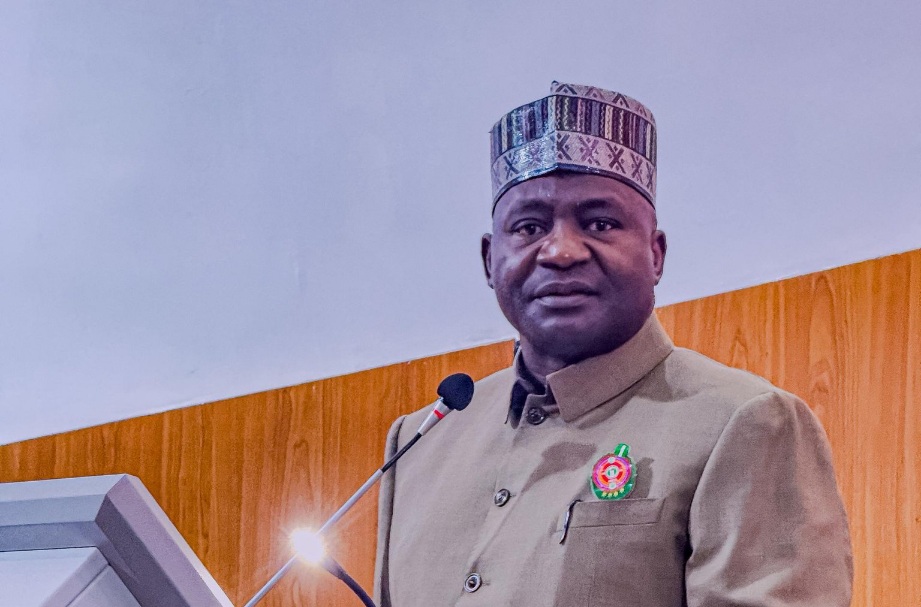
The Minister of Communications, Innovation and Digital Economy, Dr. Bosun Tijani, has said that the digital economy’s contribution to Nigeria’s Gross Domestic Product (GDP) is set to rise to 21 per cent under President Bola Tinubu’s administration.
Tijani made this known during a visit to his former school, Anglican Grammar School, Onikolobo, Abeokuta, on Thursday.
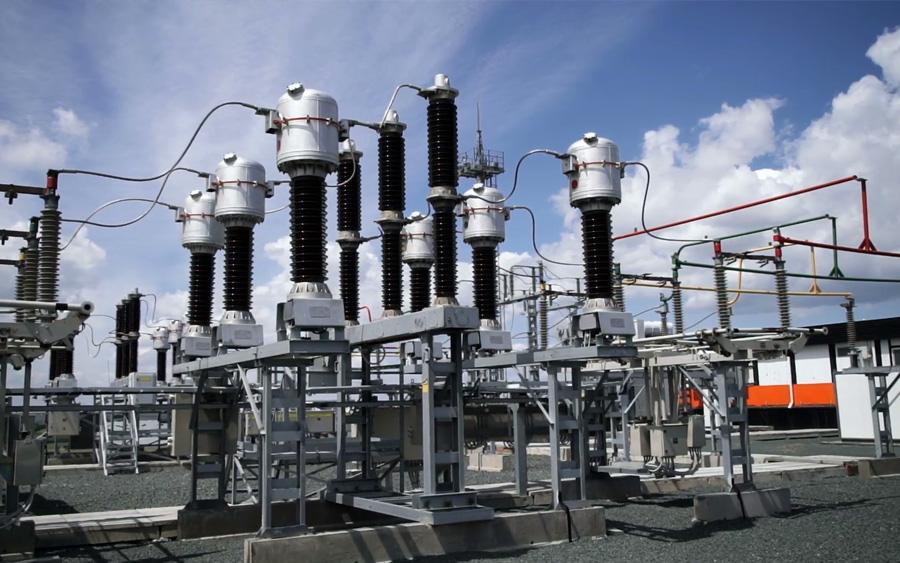
He noted that the sector currently contributes between 16 and 18 per cent to the GDP and is poised for further growth through ongoing digital infrastructure investment.
“This means more jobs and greater opportunities. For the first time in our history, the government is laying 90,000 kilometres of fibre optic cables nationwide,” he said. “This infrastructure will bring high-speed internet to schools, improving the learning environment.”
Encouraging the students, Tijani said that background should not be a barrier to achievement.
“I once sat where you are today. The lessons of kindness and empathy I learnt here shaped my life. You can become ministers, ambassadors, governors—even the president. You can make a global impact,” he said.
To support academic excellence, the minister announced a fellowship programme for the top three students in JSS1–3 and SS1–2, who will each receive N100,000 annually, along with laptops and school uniforms. Around 70 students will benefit each year.
He also pledged to refurbish and digitally equip one of the school buildings and adopt its science laboratory.
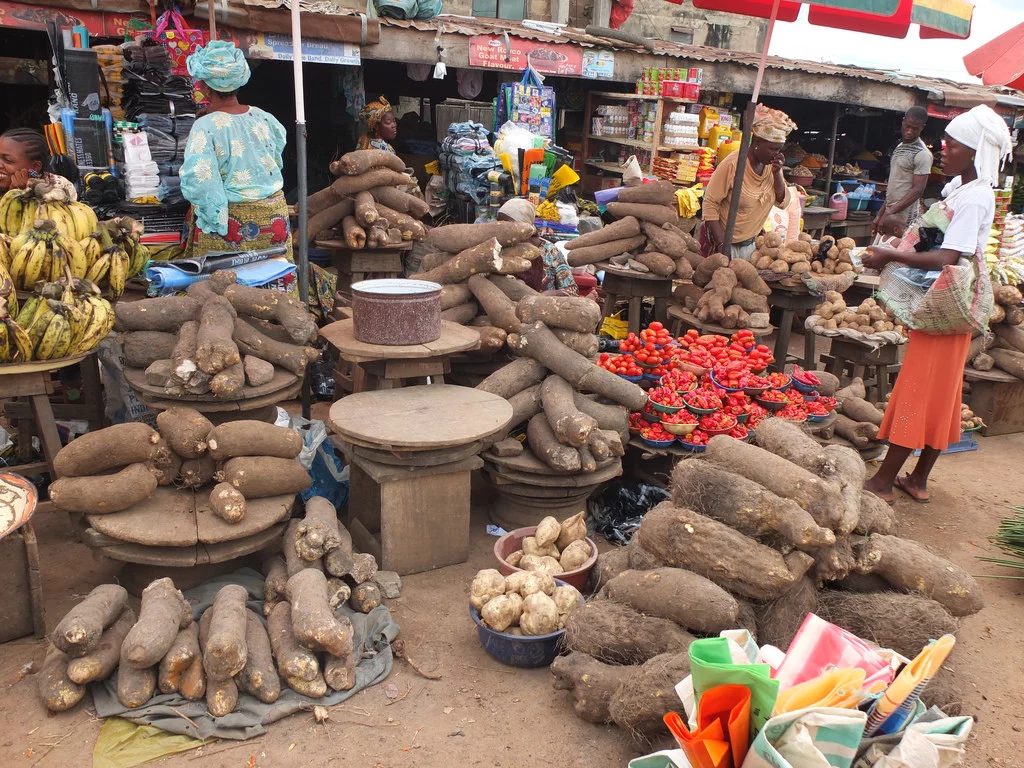
Later, at an ‘Innovation and Startups Roundtable’ held with digital entrepreneurs in Ogun State, Tijani stressed the importance of technology in agriculture, particularly in addressing food insecurity and boosting local production.
“With our large population and reliance on traditional farming, we cannot meet demand without embracing digital tools,” he said. “Technologies like mobile apps, sensors, and drones can help farmers monitor crops, manage pests, and track soil changes, thereby increasing yields.”
He cited Ukraine as an example of how technology can sustain agricultural output even during conflict and encouraged Nigerian farmers to adopt similar solutions to reduce food imports and preserve foreign exchange.

