

















































































































































































































































































































































































Eyes in the Sky: Can Nigeria’s New Satellites Bridge the Security and Innovation Gap?


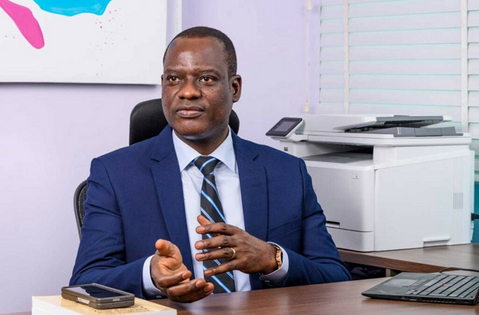
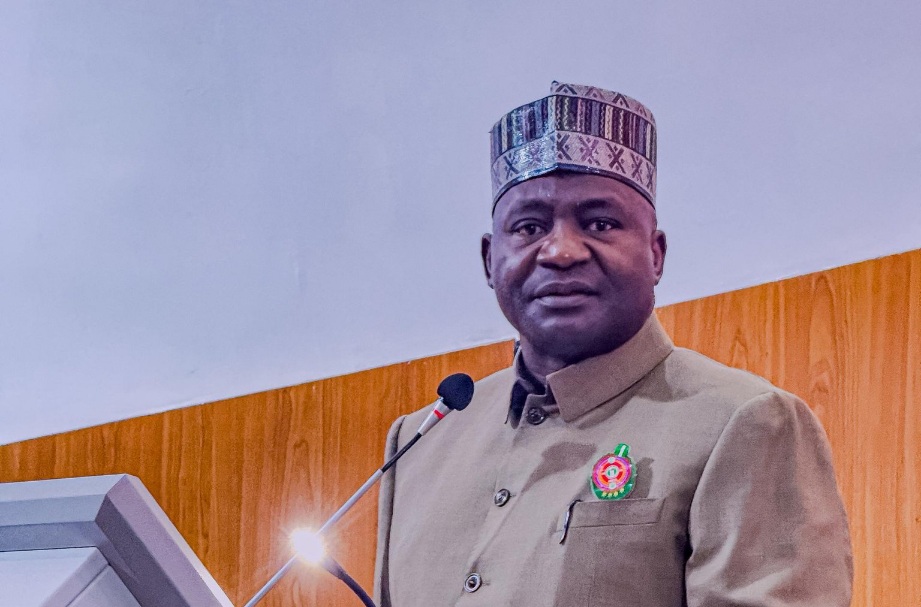
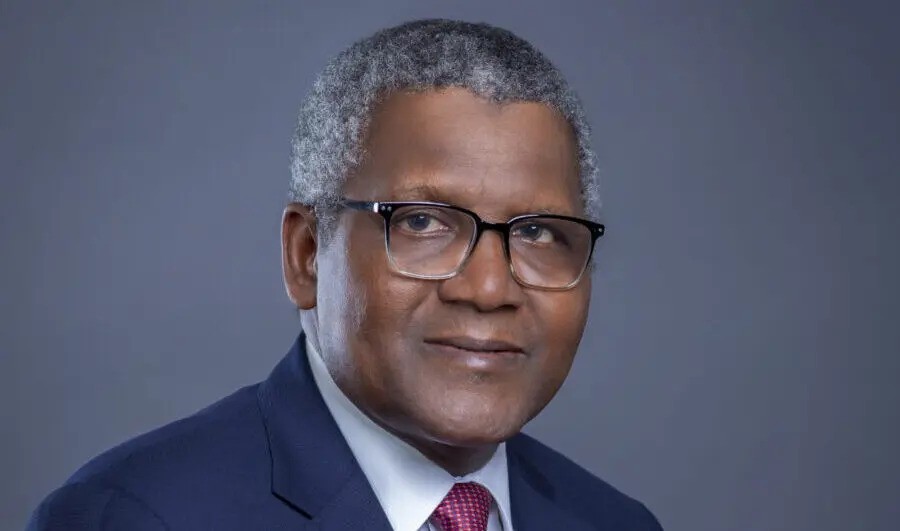
The Minister of Innovation, Science and Technology, Chief Uche Nnaji, has announced that the Federal Executive Council (FEC) has approved the launch of four satellites to support Earth observation and bolster national security.
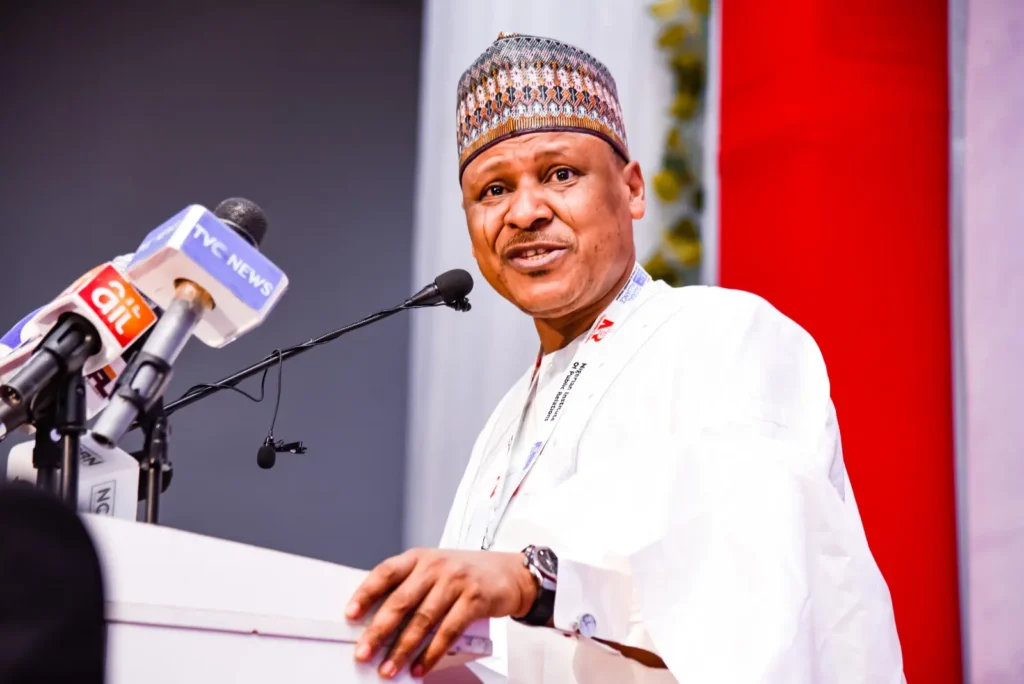
Nnaji made this known on Wednesday at the 22nd National Council on Innovation, Science and Technology (NCIST), held in Abuja from 12 to 14 May. The event was themed: “Research, Develop, Innovate and Commercialise: A Cycle for National Prosperity.”
According to the minister, the launch will include three Earth Observation satellites and one Radar Aperture satellite.
“The Renewed Hope Agenda of President Bola Tinubu is actively addressing Nigeria’s challenges. Just last week, the FEC approved the launch of four multi-million-dollar satellites—three for Earth observation and one search satellite capable of capturing images day or night, in any weather condition. This will significantly enhance our military’s capabilities,” he said.
Currently, Nigeria relies on externally sourced imagery and data, especially for surveillance of areas like the Sambisa Forest. The new satellites are expected to reduce this dependency.
On the National Science, Technology and Innovation Policy, Nnaji disclosed that an inter-ministerial committee is reviewing the framework and strategising the establishment of a National Research and Innovation Fund.
He stressed the importance of linking research with practical application, stating that the cycle of Research, Development, Innovation, and Commercialisation (RDIC) has driven global economic and technological powerhouses, and Nigeria must do the same.
“For too long, research conducted in our universities has remained underutilised, disconnected from industry and policymaking. Our young innovators need structured support, funding, and mentorship to take their ideas to market,” he said.
Nnaji expressed hope that the 22nd NCIST would mark a turning point, where every research project has a pathway to industry and where innovation is recognised as a viable career choice.
He called on scientists, the private sector, and government agencies to collaborate more closely, and urged the establishment of robust regulatory frameworks that promote and protect innovation.
The minister explained that although the 22nd edition was originally scheduled for 2024, it was postponed due to unforeseen circumstances. Plans are already underway to ensure the 23rd edition returns to its regular calendar.
“We are committed to restoring the Council’s regular schedule and ensuring that the momentum generated here is not only sustained but accelerated in our collective drive for a more innovative and prosperous Nigeria,” he said.
Also speaking, the Permanent Secretary in the ministry, Mrs Esuabana Nko-Asanye, described the meeting as a national call to action. She emphasised the need for collaboration across sectors to tackle pressing challenges such as unemployment, insecurity, climate change, and economic diversification.
She noted that 109 memoranda were submitted during the meeting, reflecting broad contributions from all sectors of the economy.
“These submissions outlined key challenges and proposed innovative solutions aimed at enhancing the role of science, technology and innovation in national development,” she said.
Focus areas included the commercialisation of indigenous research, funding mechanisms for R&D, and capacity building in emerging technologies. The recommendations also called for improved inter-agency collaboration and innovation-led solutions for sector-specific challenges in health, agriculture, education, energy, and governance.
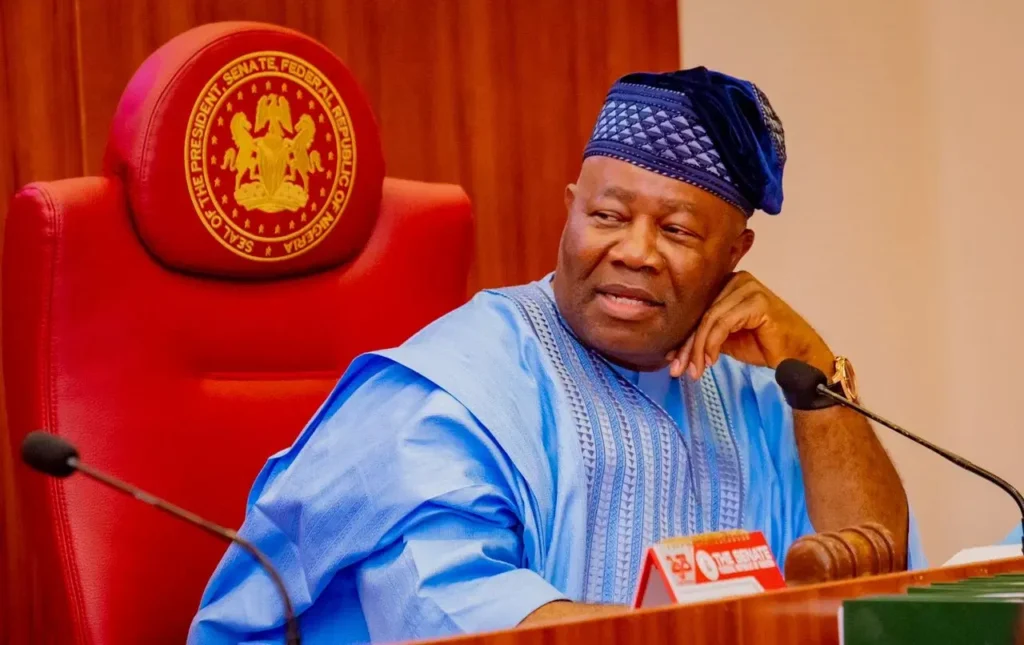
Secretary to the Government of the Federation, Senator George Akume, represented by Dr Morris Mbaeri, described the meeting’s theme as timely and essential for sustainable development.
He urged all stakeholders—academia, industry, and government—to strengthen their partnerships and fully implement the RDIC framework to tackle real-world challenges.
In his remarks, Professor Azikiwe Onwualu, President of the African University of Science and Technology (AUST), recommended that Nigeria increase its R&D spending to three per cent of its GDP. He also called for the creation of more RDIC clusters and hubs integrating academia, industry, and startups.
“We should operationalise the National Research and Innovation Fund to coordinate RDIC efforts as outlined in the STI policy,” he said.