













































































































































































































































































































































































Port Harcourt Refinery Begins Operations After Years of Delays

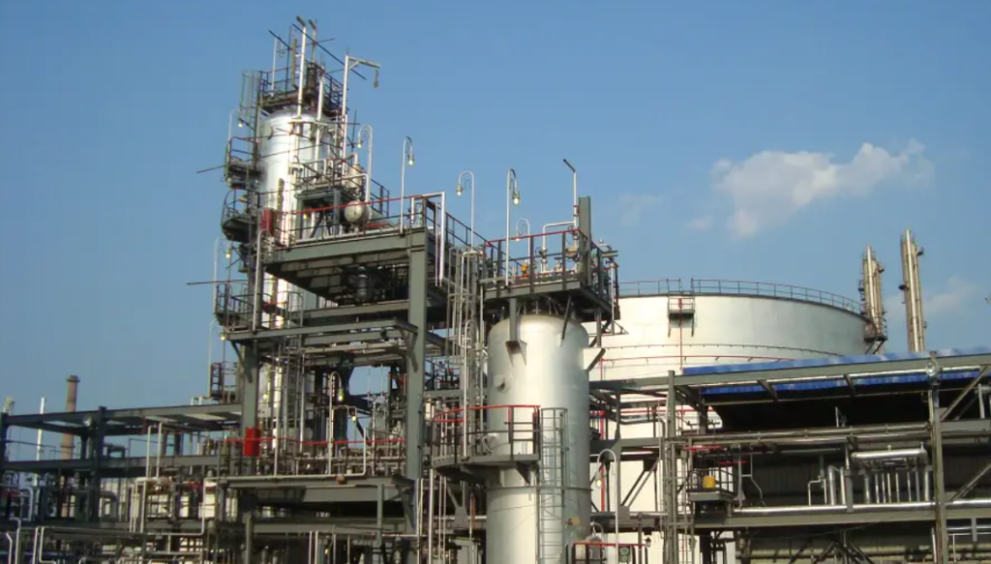
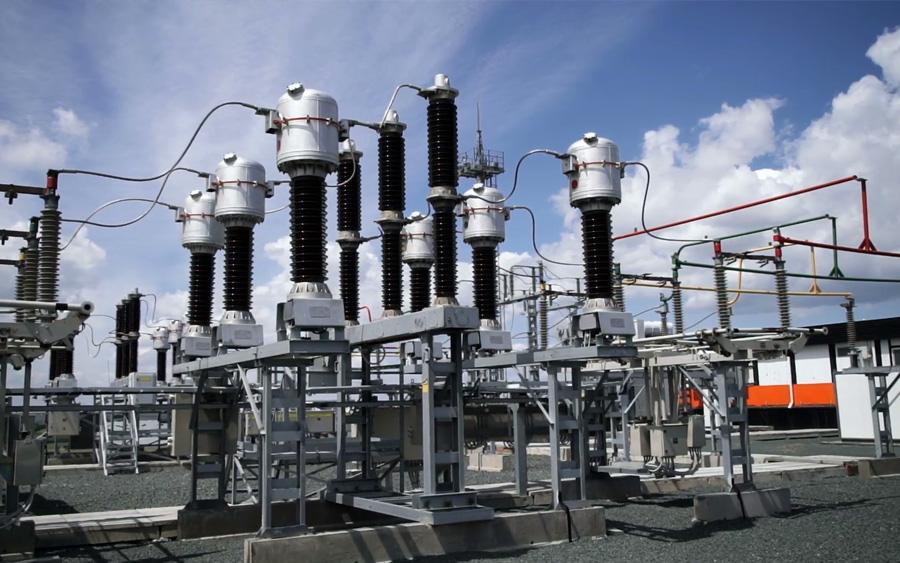
The Port Harcourt Refining Company (PHRC) in Rivers State has officially begun crude oil processing, marking a significant milestone in Nigeria’s energy sector.
The announcement was made by Femi Soneye, Chief Corporate Communications Officer of the Nigerian National Petroleum Company Limited (NNPCL). “Today marks a monumental achievement for Nigeria as the Port Harcourt Refinery officially commences crude oil processing,” he stated on Tuesday. “This groundbreaking milestone signifies a new era of energy independence and economic growth for our nation.”
Soneye extended congratulations to President Bola Ahmed Tinubu, the NNPC Board, and the leadership of Group Chief Executive Officer (GCEO) Mele Kyari for their dedication to the project. “Together, we are reshaping Nigeria’s energy future,” he added.
According to Soneye, truck loading operations also commenced on Tuesday, with efforts underway to bring the Warri Refinery back online soon.
This development comes after a series of missed deadlines for the refinery’s rehabilitation. Upon taking office in August 2023, Minister of State for Petroleum Resources (Oil) Heineken Lokpobiri had promised production would start in September, later postponed to December. In March 2024, NNPCL’s GCEO Mele Kyari announced an April production target.
Kyari reiterated the NNPCL’s commitment to revitalising Nigeria’s refining capacity during an inspection of the Port Harcourt Refinery in August. “We are focused on delivering this rehabilitation project, our two other refineries, and all other investments aimed at boosting the nation’s refining capacity. By 2024, we are optimistic that Nigeria will become a net exporter of petroleum products,” he said.
The Federal Government had approved $1.5 billion for the refinery’s repairs three years ago. Despite being a major oil producer, Nigeria has long relied on imported petroleum products due to insufficient refining capacity. This dependency has strained foreign exchange reserves, with billions of dollars spent on crude-for-petrol swaps and subsidies to keep domestic fuel prices low.
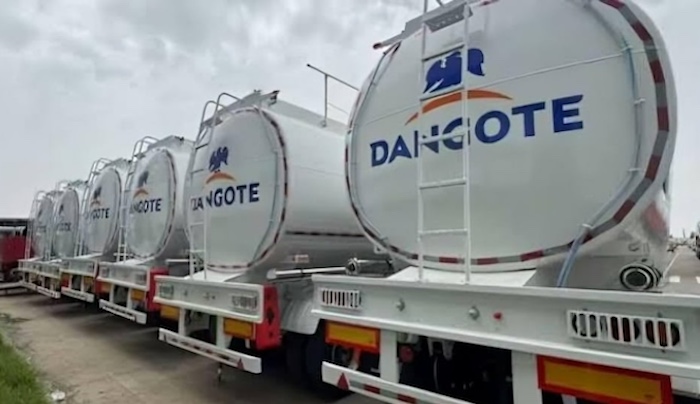
In September 2024, the Dangote Refinery began producing diesel and aviation fuel, with petrol production following shortly after. The entry of the Port Harcourt Refinery into operation is expected to complement Dangote’s output, potentially easing the effects of the fuel subsidy removal, which had driven petrol prices from around ₦200 to over ₦1,000 per litre.

