

























































































































































































































































































































FG Targets Economic Growth with £47.9 Trillion 2025 Budget


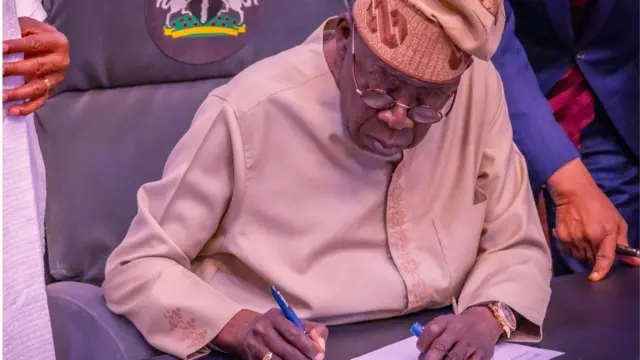
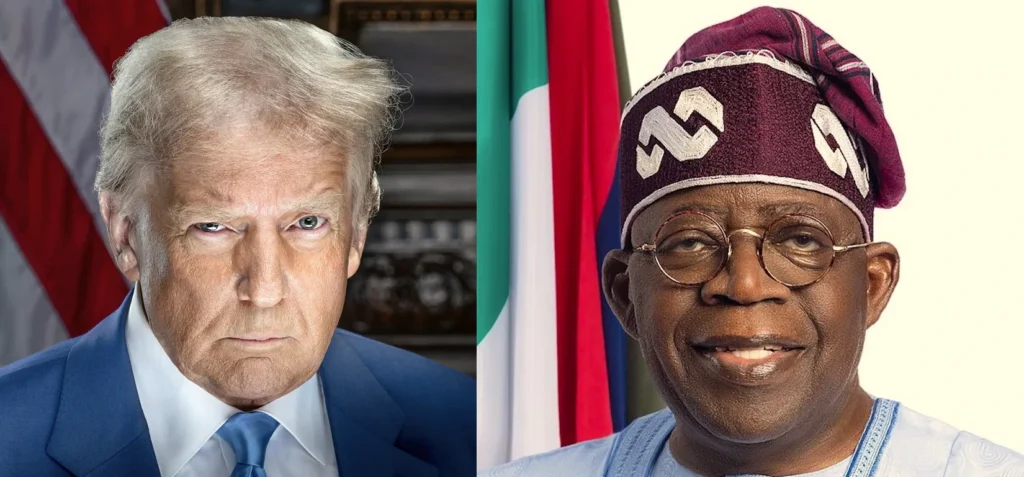
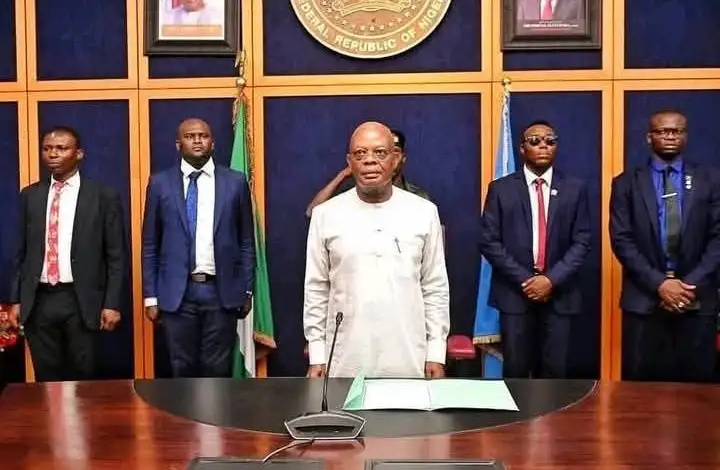
The Federal Executive Council (FEC) has approved a £47.9 trillion budget estimate for the 2025 fiscal year, following its meeting at the State House, Abuja, presided over by President Bola Tinubu.
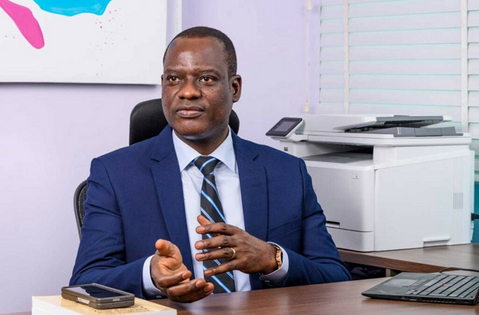
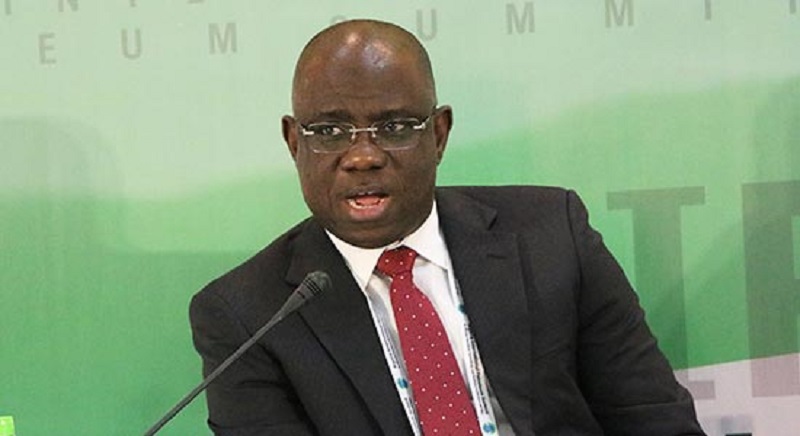
Addressing journalists after the meeting held in the Council Chambers, Minister of Budget and Economic Planning, Atiku Bagudu, explained that the budget approval was part of the Medium Term Expenditure Framework (MTEF) for 2025–2027, in line with the Fiscal Responsibility Act 2007.
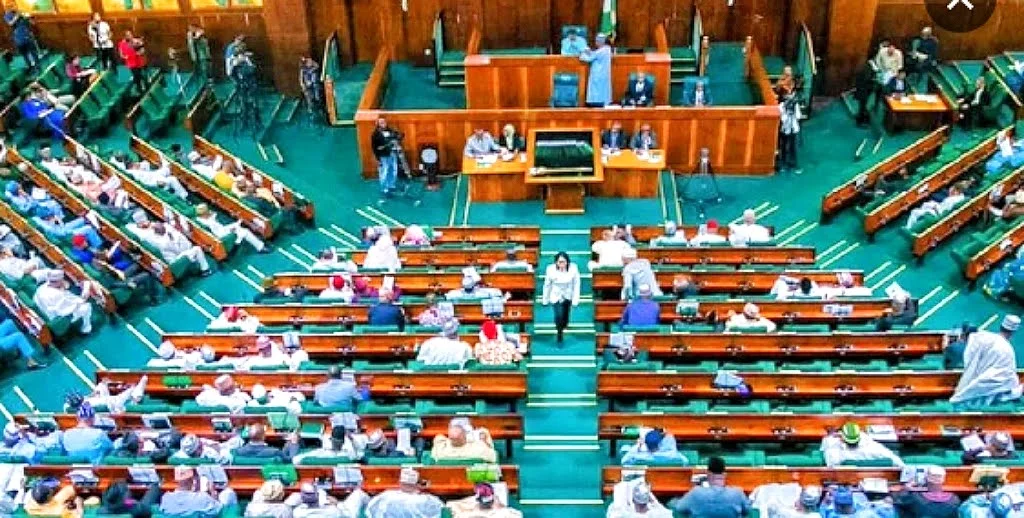
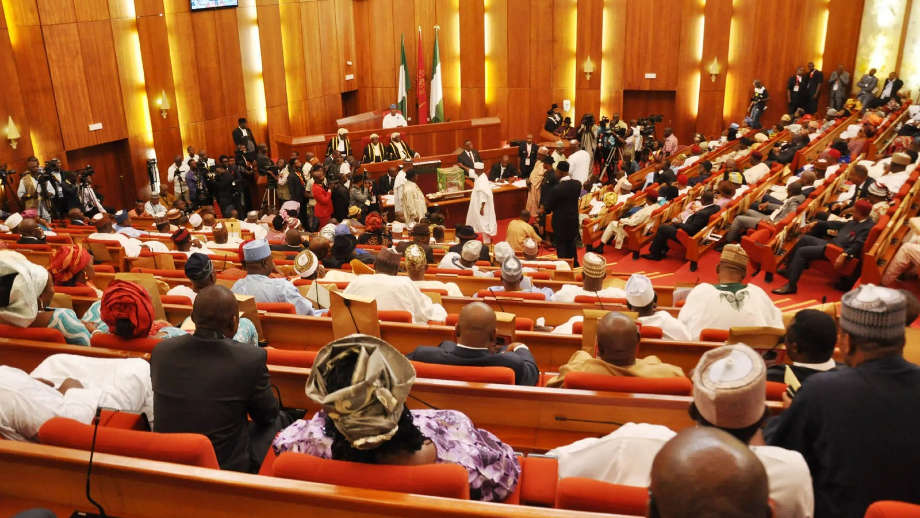
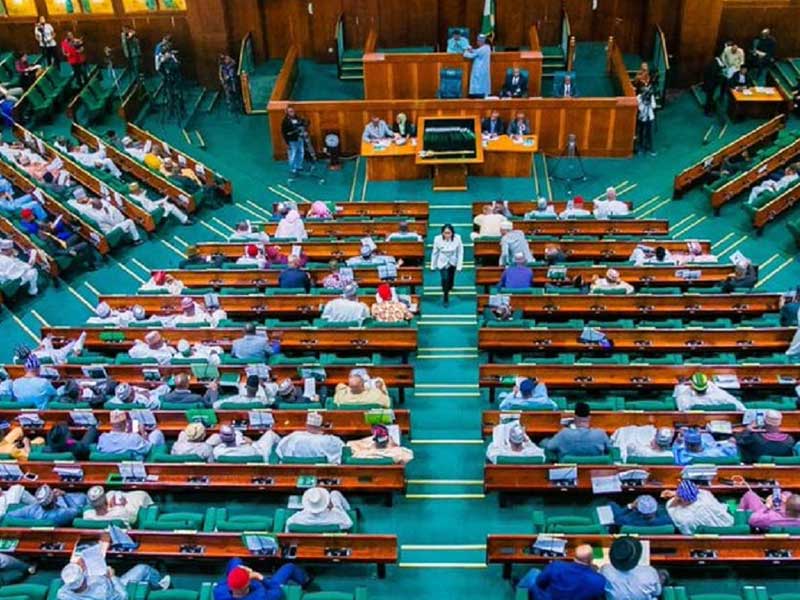
Bagudu assured that the executive arm would make every effort to ensure the budget is passed by the National Assembly and signed into law by the president before the end of December 2024.
The minister revealed that the council had pegged the crude oil price at $75 per barrel, the exchange rate at ₦1,400 to the dollar, and oil production at 2.06 million barrels per day. He added that, with a 3.19% growth rate recorded in the second quarter of 2024, the government was focused on tackling inflation, boosting economic resilience, and further supporting the economy in 2024.
Reviewing the implementation of the 2024 budget, Bagudu highlighted promising progress in revenue collection and expenditure management, noting that “despite shortfalls in projected targets, the overall fiscal trajectory indicates that key non-oil revenue streams are performing better than expected.”
He stated that the Nigerian economy was moving in a positive direction, showing stable growth. Bagudu elaborated on the 2025–2027 fiscal framework, which includes an oil price benchmark of $75 per barrel for 2025, projected oil production of 2.06 million barrels per day, an exchange rate of ₦1,400 to $1, and an anticipated GDP growth of 4.6%.
He disclosed that the £47.9 trillion budget estimate includes borrowing of £13.8 trillion, representing 3.87% of GDP. “For the first time, the budget includes provisions for contributions to development commissions approved by the National Assembly,” he noted.
The council also approved the 2025–2027 MTEF and Fiscal Strategy Papers (FSP), while reiterating its commitment to maintaining a January–December budget cycle.
Additionally, the government established a Ministry of Finance Incorporated Real Estate Investment Fund, with an initial capital of ₦250 billion, to provide low-cost, long-term mortgages for Nigerians seeking to acquire homes.
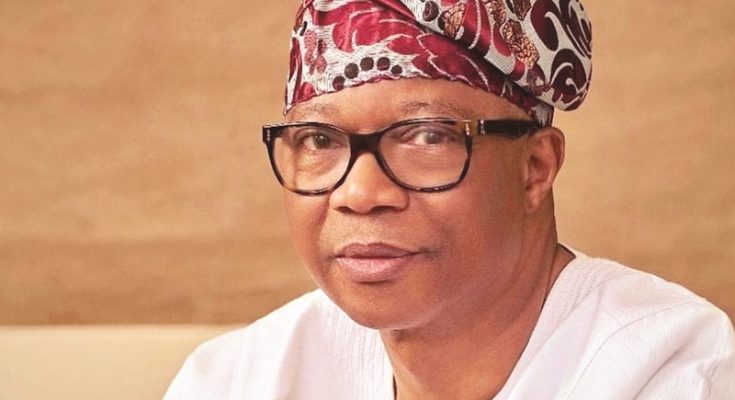
The Minister of Finance and Coordinating Minister of the Economy, Wale Edun, explained that the fund aims to address Nigeria’s 22 million-unit housing deficit, create jobs, and stimulate economic growth. “The initiative will pave the way for greater investor participation in the housing construction industry,” he said.
Edun emphasised that the fund offers investors market-based returns while providing affordable mortgage rates to Nigerians. “Low-cost funding at rates as low as 1% over 40 years will be blended with market-based savings from life insurance companies and pension funds to offer mortgage rates around 11–12%, or even lower depending on market conditions,” he said.
FEC also approved new external borrowing of $2.2 billion, comprising $1.7 billion and SUKUK financing of $500 million, to enhance Nigeria’s finances and support ongoing economic reforms. Edun noted that the approval, pending ratification by the National Assembly, would enable Nigeria to access international capital markets for a mix of Eurobonds and SUKUK financing.
“This approval showcases the resilience of Nigeria’s financial markets and reflects investor confidence in President Bola Tinubu’s economic recovery programmes,” Edun said.

