












































































































































































































































































































































































































NLC Threatens Protests, Election Boycott over Senate’s Position on Electronic Transmission of Results


The Nigeria Labour Congress (NLC) has warned of possible nationwide protests and election boycotts over what it described as confusion and contradictory positions by the Senate on amendments to the Electoral Act, particularly regarding the electronic transmission of election results.
The labour union accused the Senate of undermining public confidence in Nigeria’s electoral process by failing to clearly state whether electronic transmission of results would be mandatory.
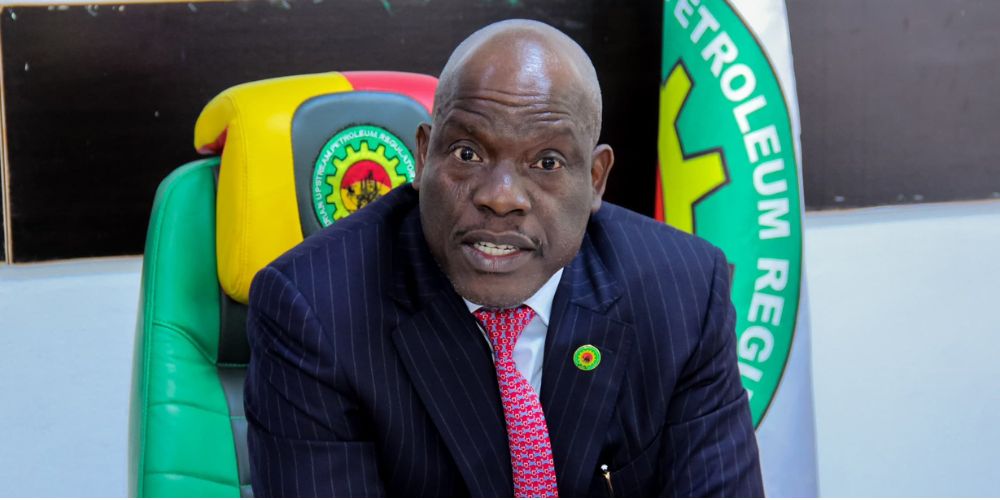
“The Nigeria Labour Congress (NLC) expresses deep concern over the confusion and contradictory narratives emerging from the Senate regarding the amendment to the 2022 Electoral Act, particularly on electronic transmission of results,” the NLC President, Joe Ajaero, said in a statement on Sunday.
According to the Congress, the lack of clarity surrounding the Senate’s final decision threatens electoral integrity and public trust, stressing that “Nigerians deserve a transparent system where votes are not only counted but seen to be counted”.
The NLC said public records indicate that a proposed amendment seeking to mandate the Independent National Electoral Commission (INEC) to transmit election results electronically in real time was not adopted, with the existing discretionary provision retained.
“This has generated nationwide apprehension, and subsequent explanations have only added to the confusion,” the Congress stated, warning that such “legislative ambiguity”, coming at a critical period after the 2023 general elections, could institutionalise doubt within the electoral system.
The labour body demanded that the Senate issue an “immediate, official, and unambiguous account” of the exact provisions passed, including the final wording of the amendment and the rationale behind its decision.
“The National Assembly leadership must also ensure the harmonisation process produces a final bill with crystal-clear provisions; any ambiguity in the transmission and collation of results is a disservice to our democracy,” the statement added.
The NLC insisted that the amended Electoral Act must contain a clear mandate compelling INEC to electronically transmit and collate results from polling units in real time, warning that failure to do so could trigger mass action.
“Failure to add electronic transmission in real time will lead to mass action before, during, and after the election, or a total boycott of the election,” the Congress warned. “Nigerian workers and citizens are watching closely,” it added.
“Our nation must choose the path of clarity and integrity. We need to avoid the same confusion that trailed the new Tax Acts. The time for honest, people-focused legislation is now,” the statement said.
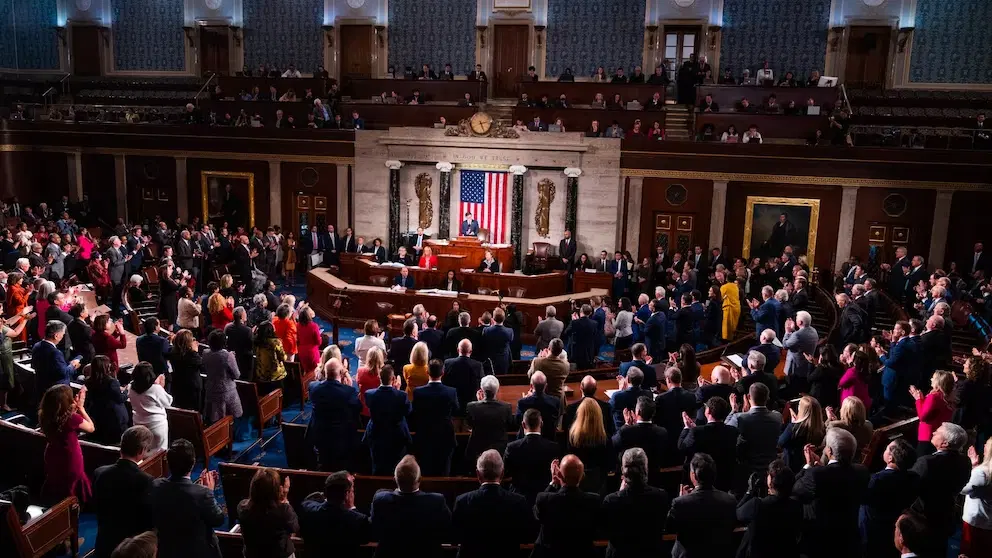
The warning follows the Senate’s passage of the Electoral Act 2022 (Repeal and Re-enactment) Amendment Bill 2026 through its third reading on February 4, 2026.
In passing the bill, the upper chamber rejected a proposed amendment to Clause 60(3), which would have made the electronic transmission of election results mandatory.
The rejected provision sought to compel presiding officers of the Independent National Electoral Commission (INEC) to transmit results electronically from polling units to the IReV portal in real time after the prescribed result forms had been duly signed and stamped.
Instead, the Senate retained the existing provision of the Electoral Act, which allows results to be transmitted “in a manner as prescribed by the Commission”, thereby preserving INEC’s discretion over transmission and collation.
The decision sparked public outrage and drew criticism from opposition parties and civil society groups, who argue that reliance on manual collation increases the risk of manipulation ahead of the 2027 general elections.
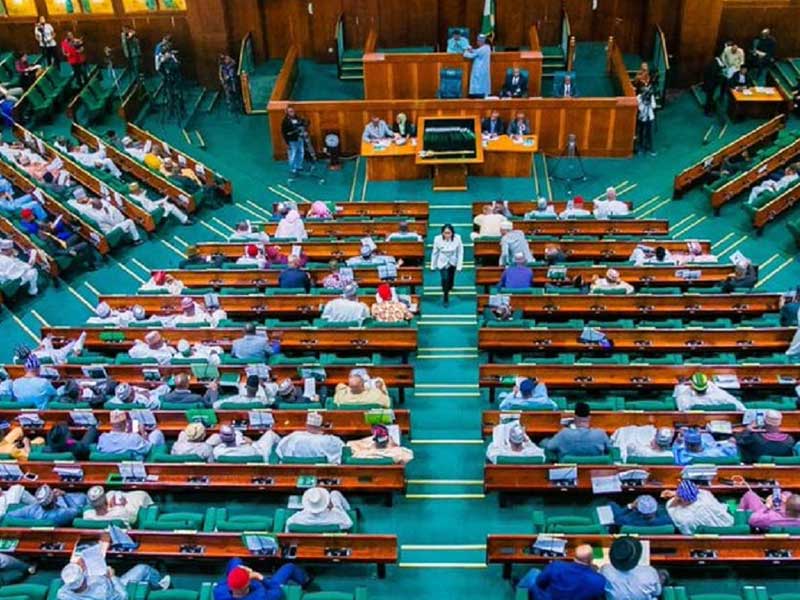
The Senate’s position also differs from that of the House of Representatives, which had earlier approved mandatory electronic transmission, making it necessary for a conference committee to harmonise both versions of the bill before it is transmitted to the President for assent.
Meanwhile, the Senate President, Godswill Akpabio, said the Senate did not scrap electronic transmission of election results, but merely removed the term “real time” to avoid legal and technical challenges.
He explained that the change allows INEC the flexibility to adopt the most suitable method of transmission, taking into account network coverage and security concerns, and reaffirmed the Senate’s commitment to enacting laws that reflect the will of Nigerians.
Despite the controversy, the amendment bill also introduces additional reforms, including digital voter identification using QR codes and stiffer penalties for electoral offences.