





















































































































































































































































































































































































































Senate Passes Electoral Act Bill, Retains Manual Backup for Result Transmission


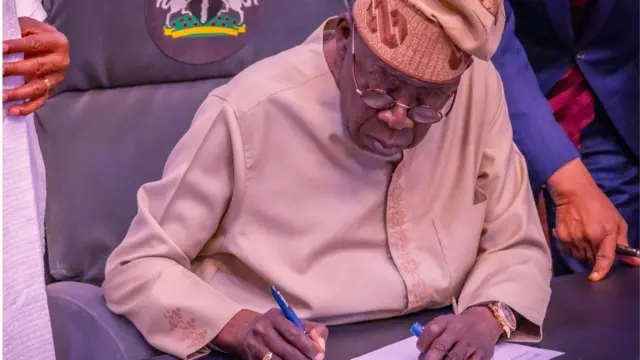
The Senate has rescinded its earlier decision and re-passed the Electoral Act (Amendment) Bill, retaining the proviso in Clause 60(3) that permits the manual transmission of election results where electronic transmission fails.
The proviso allows presiding officers to transmit results electronically but provides that, in the event of system failure, Form EC8A may be used as a backup.
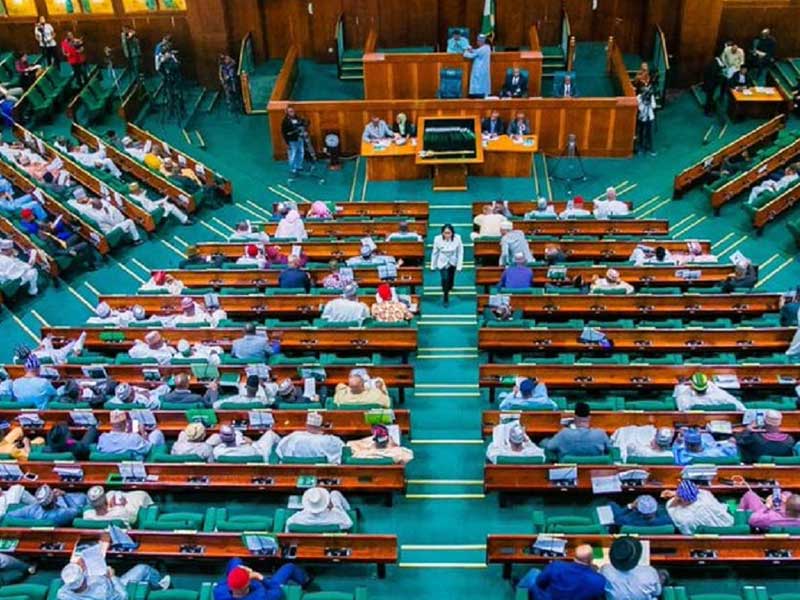
The development followed the adoption of a motion sponsored by the Senate Leader, Sen. Opeyemi Bamidele, at plenary on Tuesday. The bill was subsequently considered clause by clause and passed.
In a motion titled “Motion for Rescission and Re-Committal,” Bamidele explained that the Electoral Act, 2022 (Repeal and Enactment) Bill, 2026 had earlier been duly considered and passed by both chambers of the National Assembly.
He said that upon further review, it was observed that the 360-day notice requirement prescribed in Clause 28 could result in the 2027 presidential and National Assembly elections being scheduled during Ramadan.
According to him, such timing could adversely affect voter turnout, logistical coordination, stakeholder engagement, and the overall inclusiveness and credibility of the electoral process.
Bamidele added that discrepancies were identified in the Long Title and in Clauses 6, 9, 10, 22, 23, 28, 29, 32, 42, 47, 51, 60, 62, 64, 65, 73, 77, 86, 87, 89, 93, and 143. These inconsistencies, he said, affected cross-referencing, serial numbering, and internal coherence within the bill.
A technical committee comprising the leadership of both chambers, members of the conference committee, clerks of both chambers, and legal drafting experts from the Directorate of Legal Services of the National Assembly subsequently met to harmonise and address the anomalies.
Bamidele said the Senate resolved to rescind its earlier decision to correct the identified inconsistencies and unintended consequences, relying on Orders 1(b) and 53(6) of the Senate Standing Orders (as amended).
“The Senate accordingly resolves to rescind its decision on the Electoral Act, 2022 (Repeal and Enactment) Bill, 2026 as previously passed; and re-commit the bill to the Committee of the Whole for comprehensive reconsideration and necessary amendments,” he said.
Despite the rescission and reconsideration, the earlier approved Clause 60(3), including its proviso, was retained.
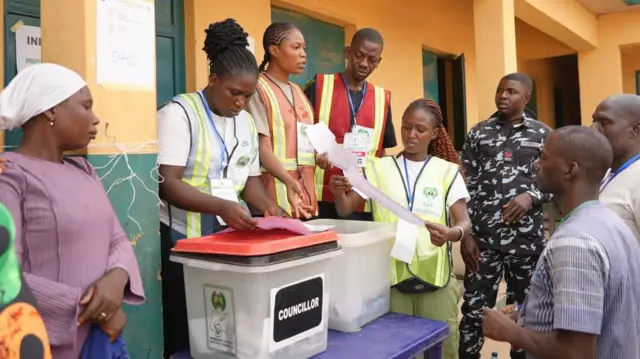
The clause mandates the electronic transmission of results from polling units to the Independent National Electoral Commission’s Result Viewing Portal (IReV), after Form EC8A has been signed and stamped by the presiding officer and party agents.
Where electronic transmission fails due to communication issues, the result recorded in Form EC8A and signed by the presiding officer and countersigned by polling agents shall serve as the primary source for collation and declaration.
During consideration, Sen. Enyinnaya Abaribe raised a point of order and called for a division on Clause 60(3). However, the Deputy Senate President, Sen. Barau Jibrin, ruled that it was out of order to reopen a matter previously concluded.
Jibrin’s position drew protests from some opposition lawmakers before Bamidele intervened, stating that Abaribe’s request for division was in order.
The Senate subsequently proceeded to a division on the proviso to Clause 60(3). Fifty-five lawmakers voted in support, while 15 opposed it. Most of those who supported the proviso were members of the ruling All Progressives Congress (APC).
In his remarks, Senate President, Sen. Godswill Akpabio, commended senators for what he described as a patriotic display of democracy.
“I thank particularly those who had the courage to stand up and answer their fathers’ names by showing so much courage to vote against the proviso in Clause 60(3). You showed overwhelming courage; you were able to prove democracy at work.
“I also want to thank those who voted for the proviso to remain, that you have saved democracy by making sure that we do not go on continuous re-runs and repeat of elections.
“I also thank the Senate for introducing electronic transmission of polling unit results through the portal to the IReV. This will now make it possible for even monitors, including foreigners who monitor our results, who are not able to visit the 176,000 polling units in Nigeria, to see the polling unit results uploaded to the IReV.
“This is a major innovation since 1960. With this, the Senate’s stance should be applauded. I thank you for your innovation. This will enable all political parties to protect the results of their candidates. Congratulations to all for ensuring a smooth election in 2027,” Akpabio said.

