






































































































































































































































































































































































































Reps Hold Special Plenary as Insecurity Deepens Nationwide


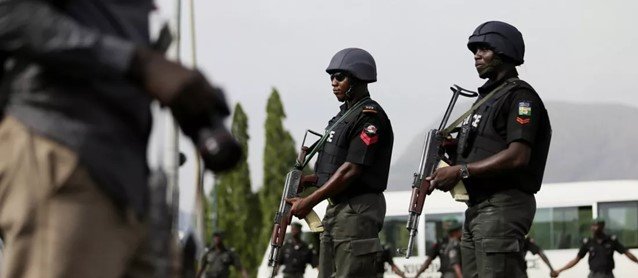
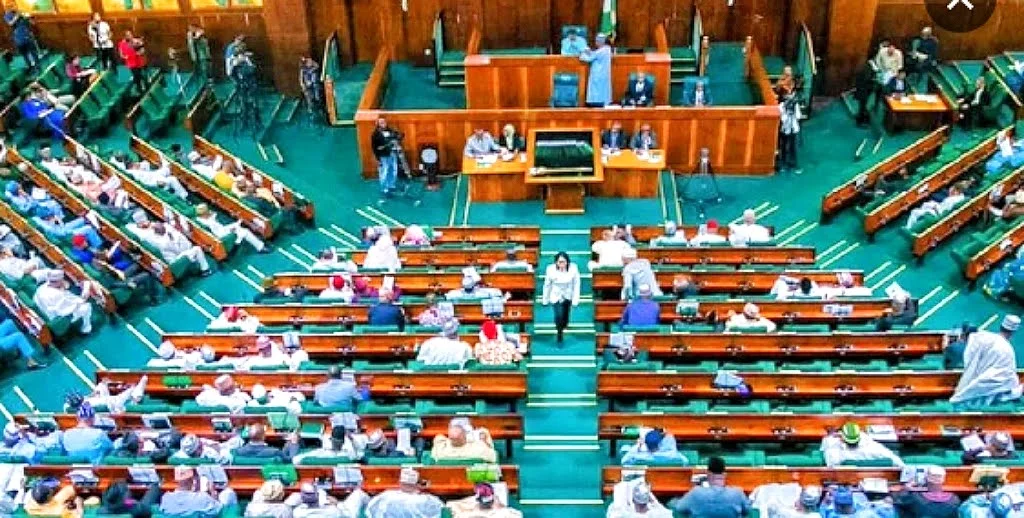
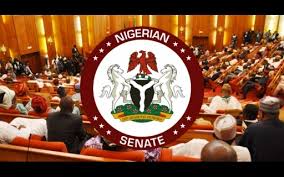
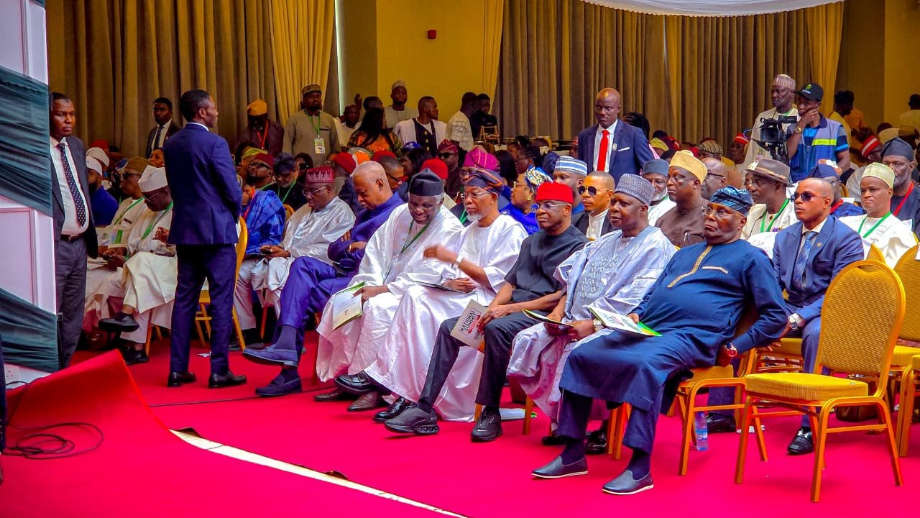
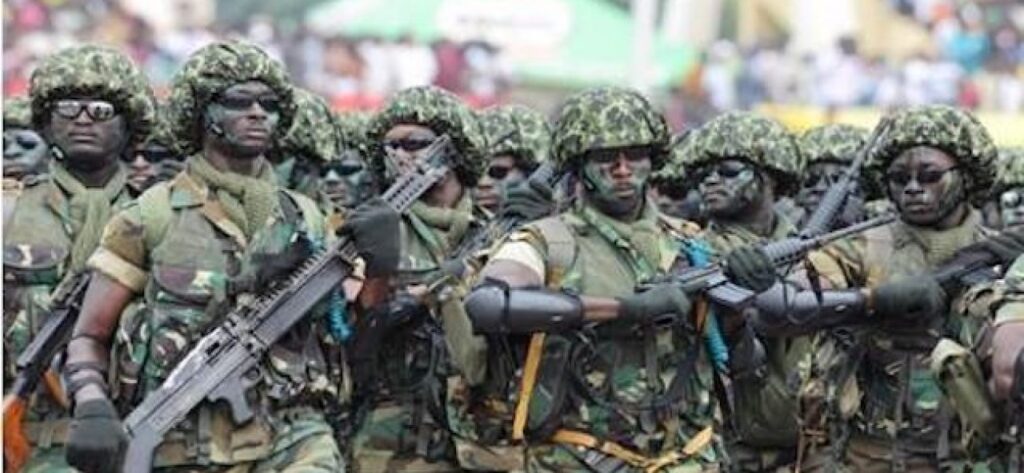
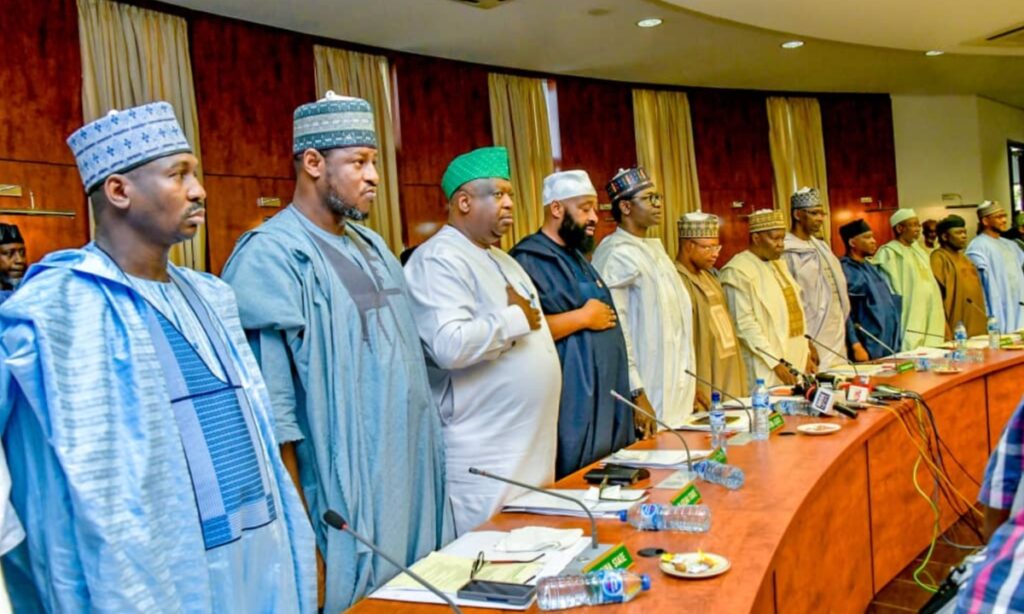
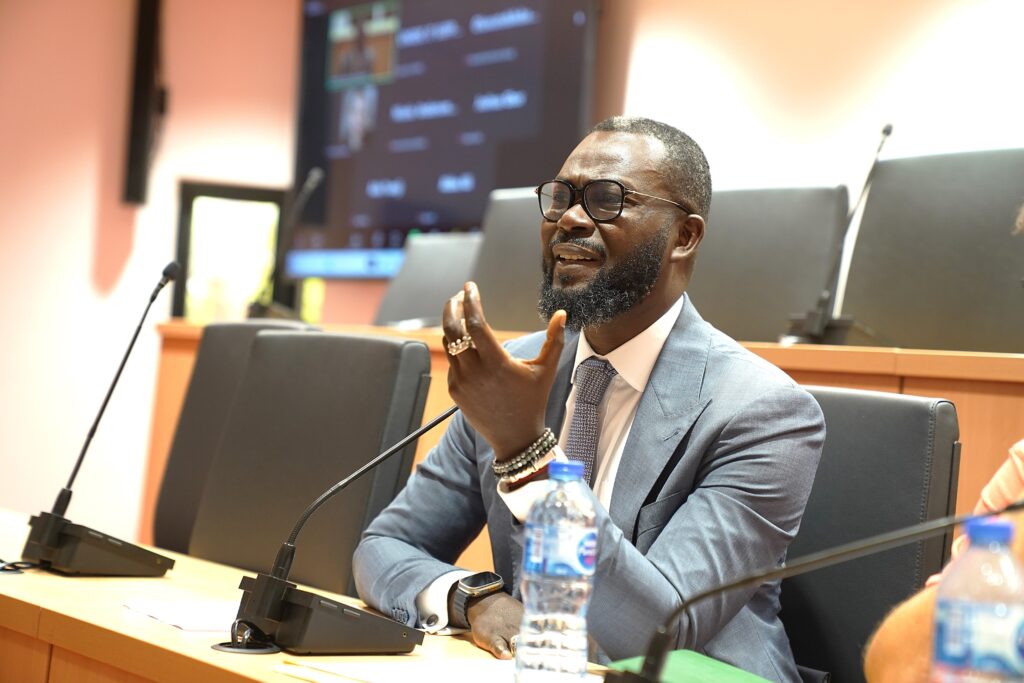
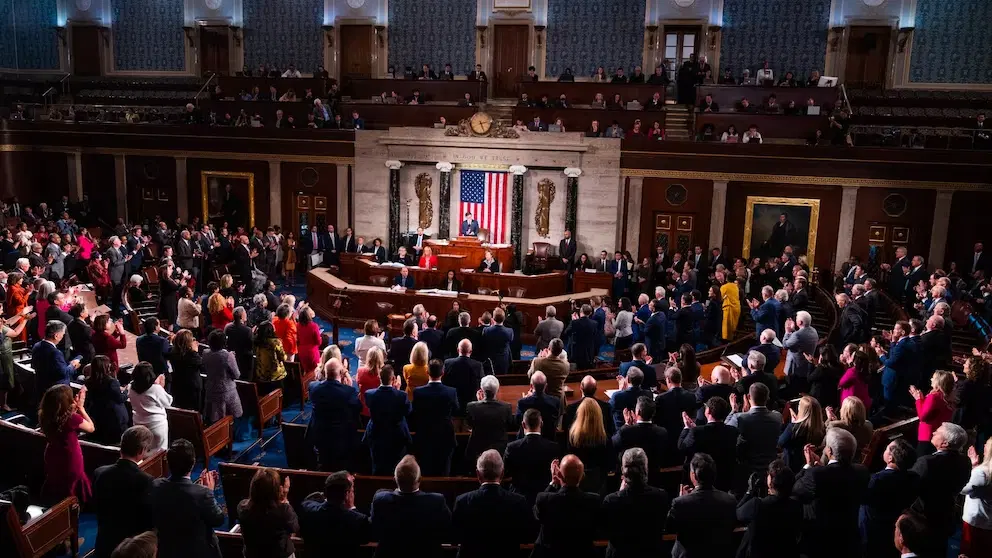
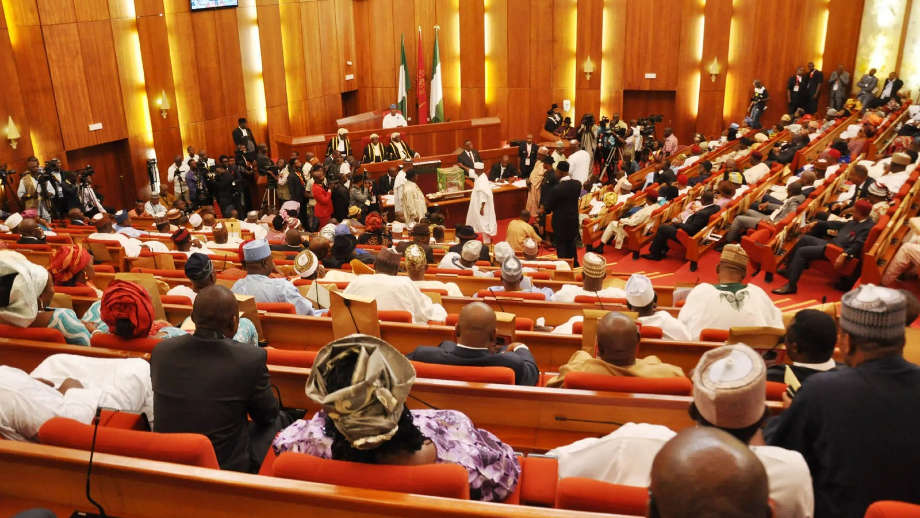
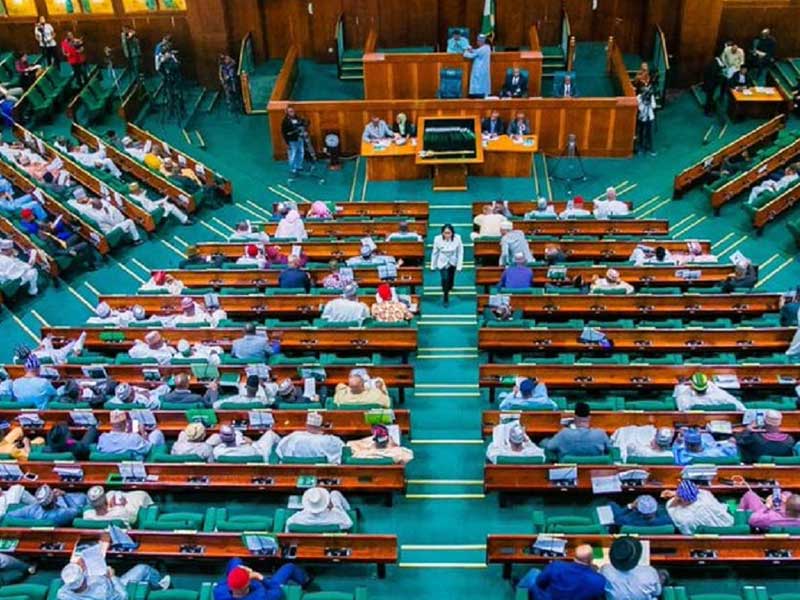
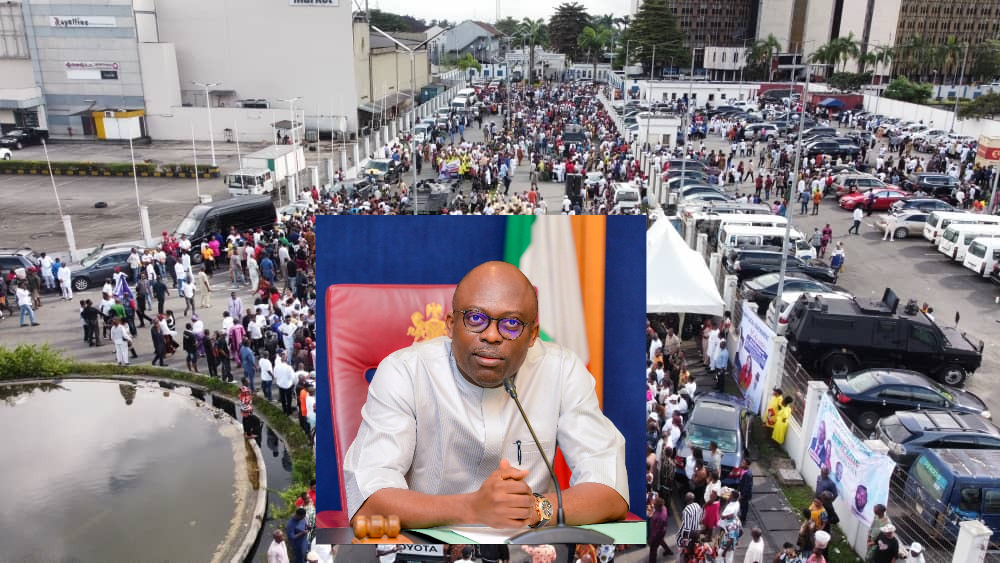
The House of Representatives on Tuesday held a special plenary session dedicated to reviewing Nigeria’s worsening security situation.
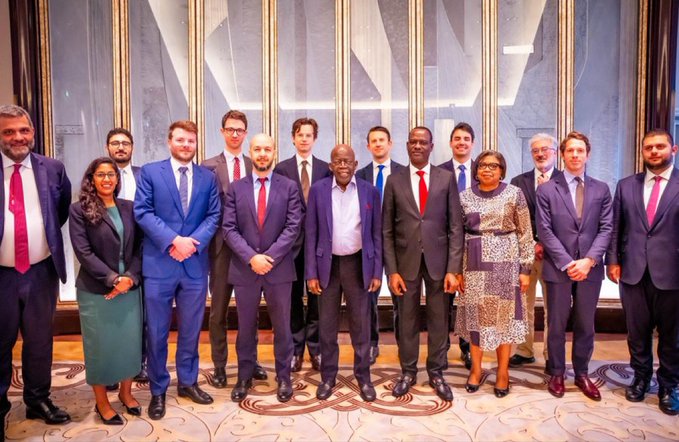
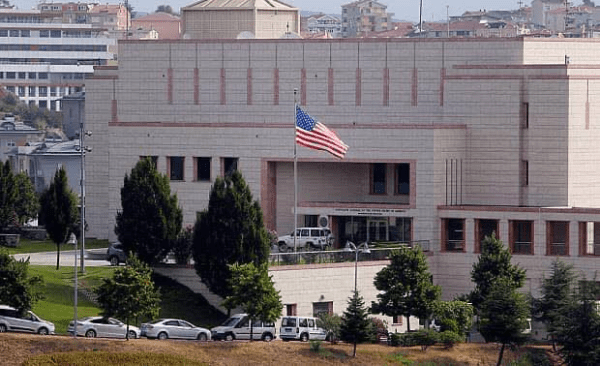
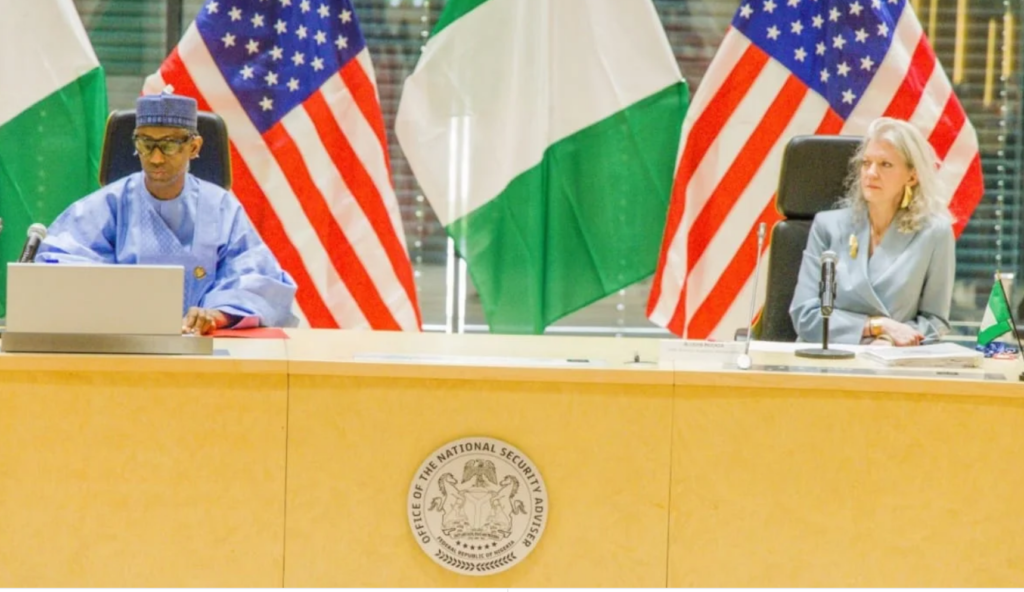
A delegation from St. Kitts and Nevis, led by the Speaker of its Parliament, Lanein Blanchette, and another team from the United States Embassy were admitted into the chamber for the session.
The House is expected to receive a consolidated Internal Assessment prepared by various committees, covering security incidents, emerging trends, oversight findings, the implementation status of previous resolutions, and evidence-based presentations from committees on defence, national security and intelligence, police affairs, human rights, interior, foreign affairs, women affairs, youth development, and emergency and disaster preparedness.
A formal resolution outlining agreed actions, timelines, and oversight mechanisms is expected at the end of the plenary.
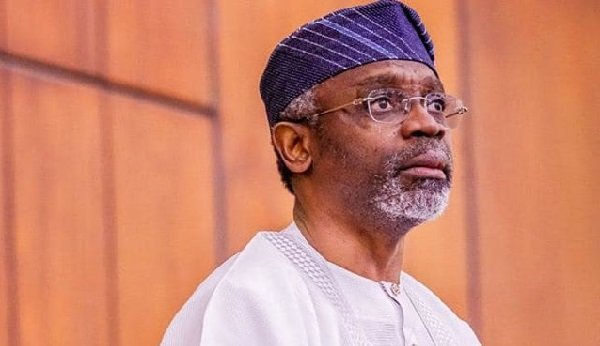
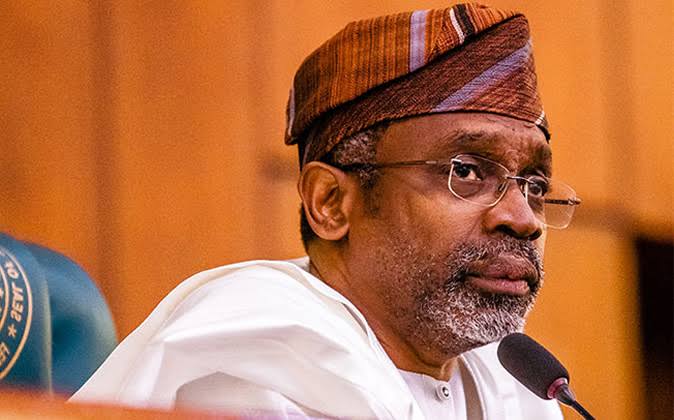
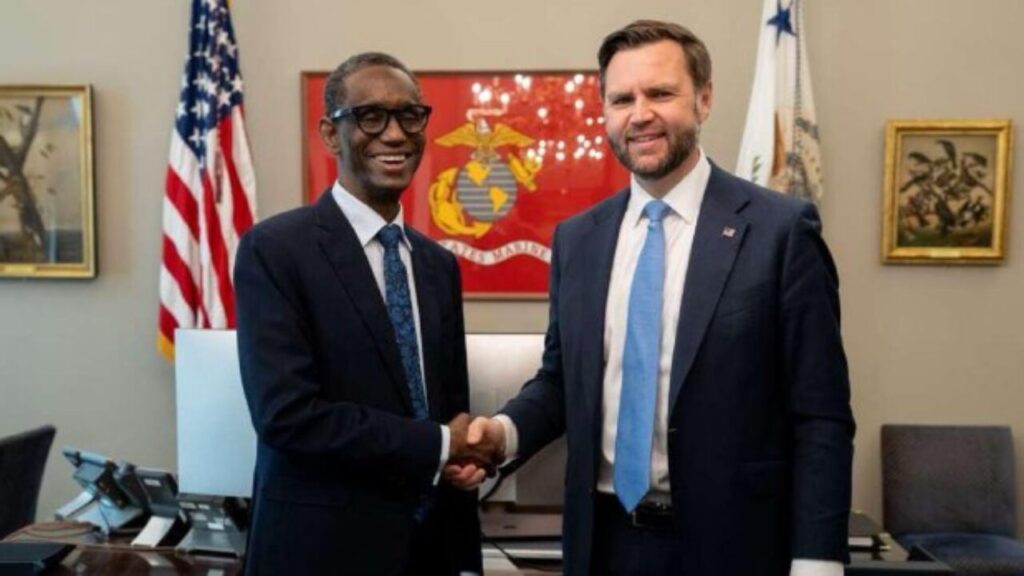
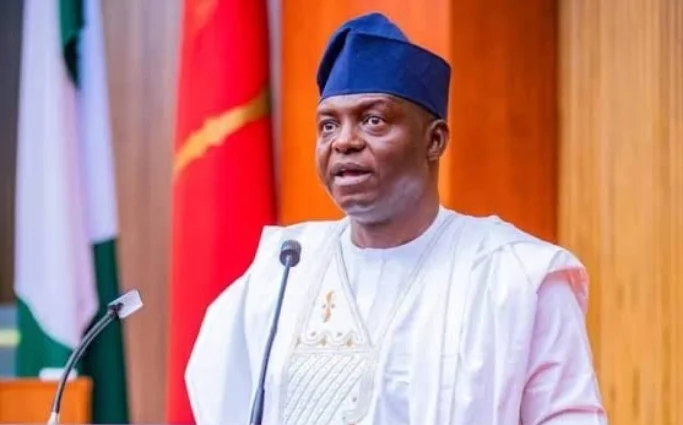
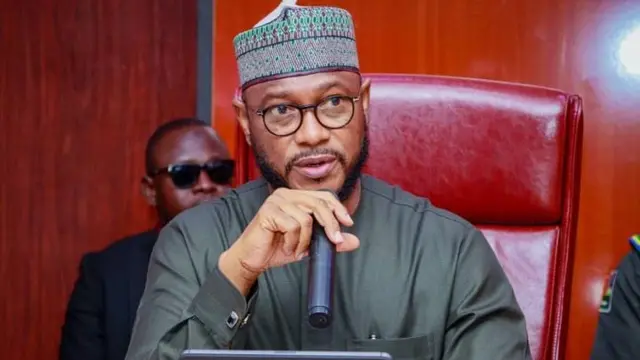
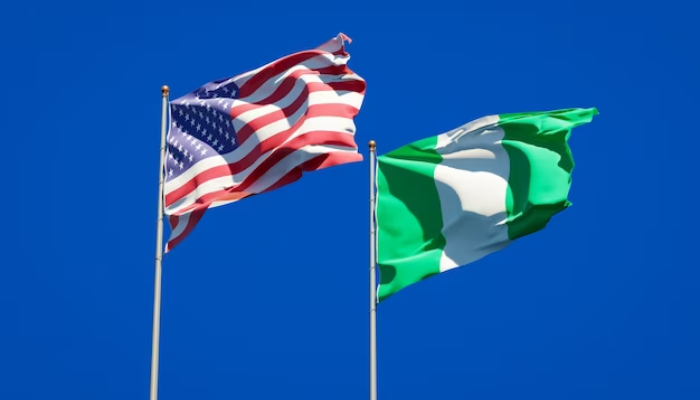
In his opening remarks, the Speaker, Mr. Tajudeen Abbas, restated that Nigeria’s sovereignty is non-negotiable but noted the importance of maintaining strong ties with the United States. He welcomed the prospects of deeper collaboration to address the country’s security challenges.
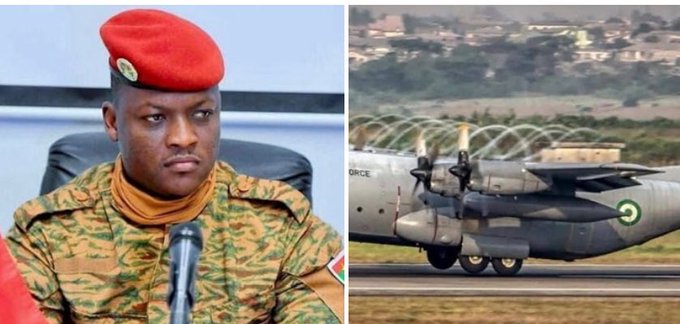
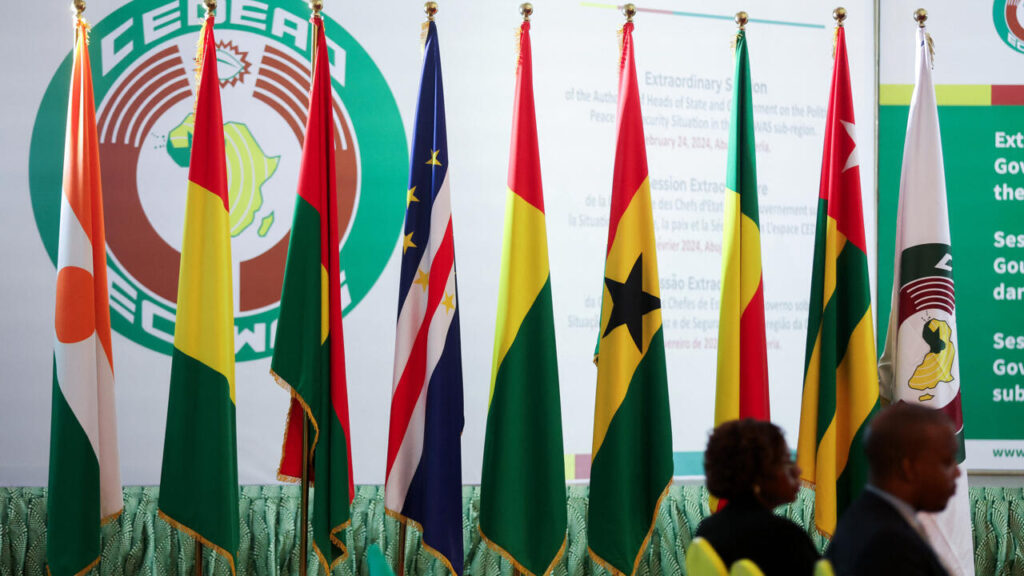
Mr. Abbas disclosed that the House is working carefully on the Religious Freedom Accountability Bill, warning that both Christian and Muslim communities continue to be targeted by terrorist groups. He also expressed concern about the recent wave of military coups across West Africa.
The Deputy Speaker, Mr. Benjamin Kalu, announced that within the next six months, the House intends to pass legislation prohibiting ransom negotiation, imposing criminal penalties on government officials who negotiate with kidnappers or authorise unstructured amnesty deals, and establishing clear criteria for disarmament processes.
He further called for an investigation into alleged negotiations with bandits and the payment of ransom by government officials.
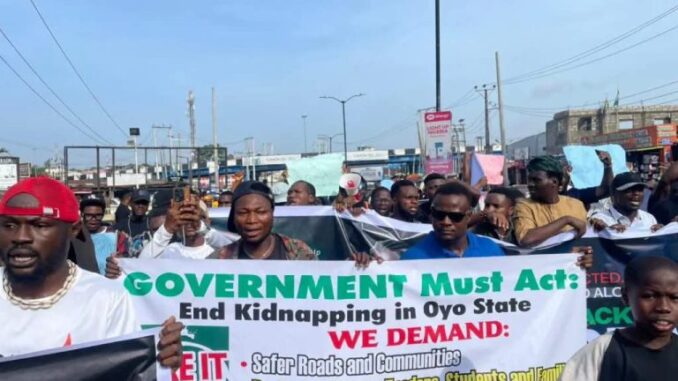
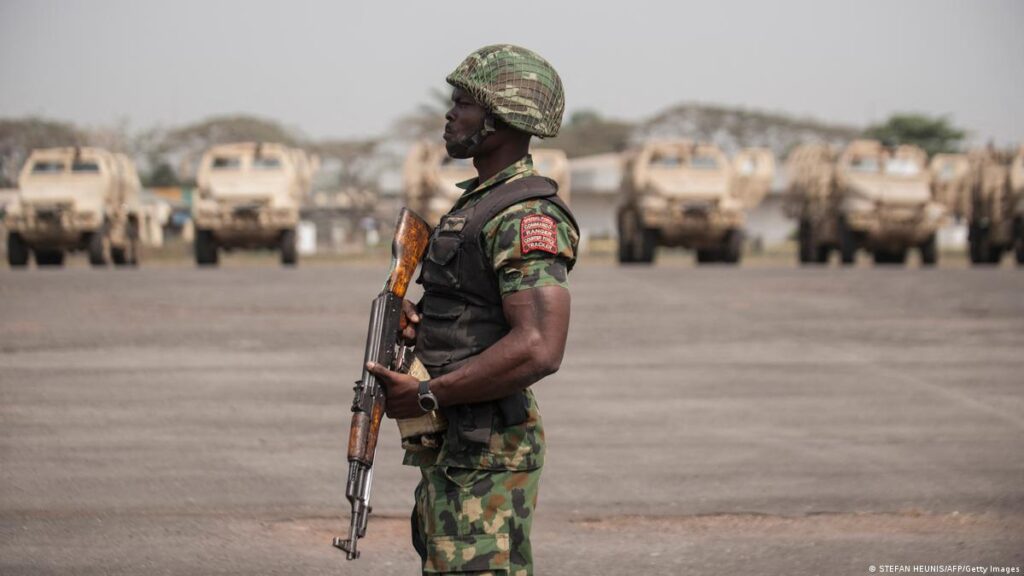
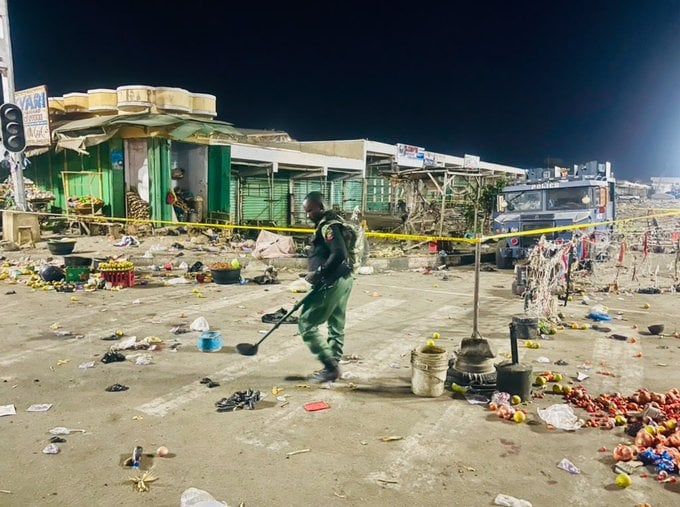
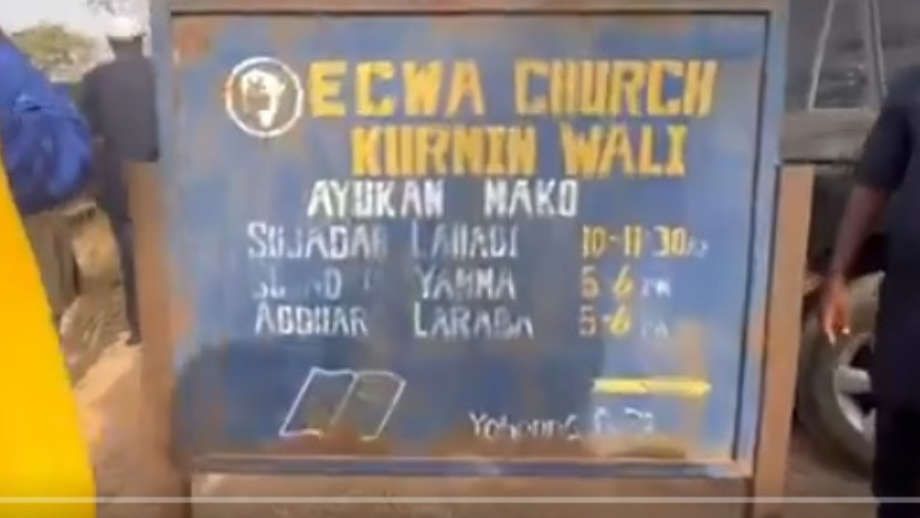
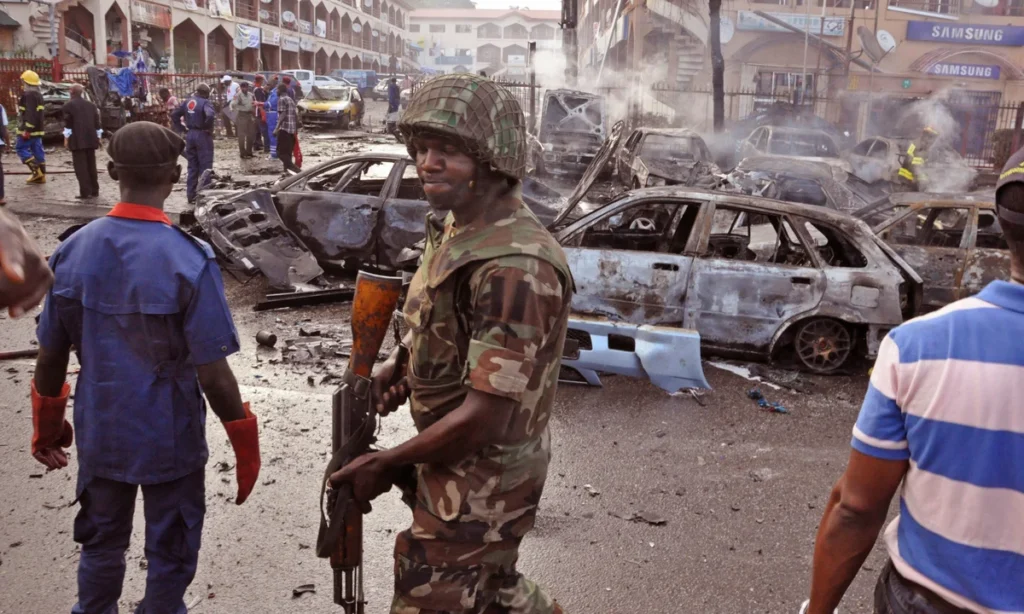
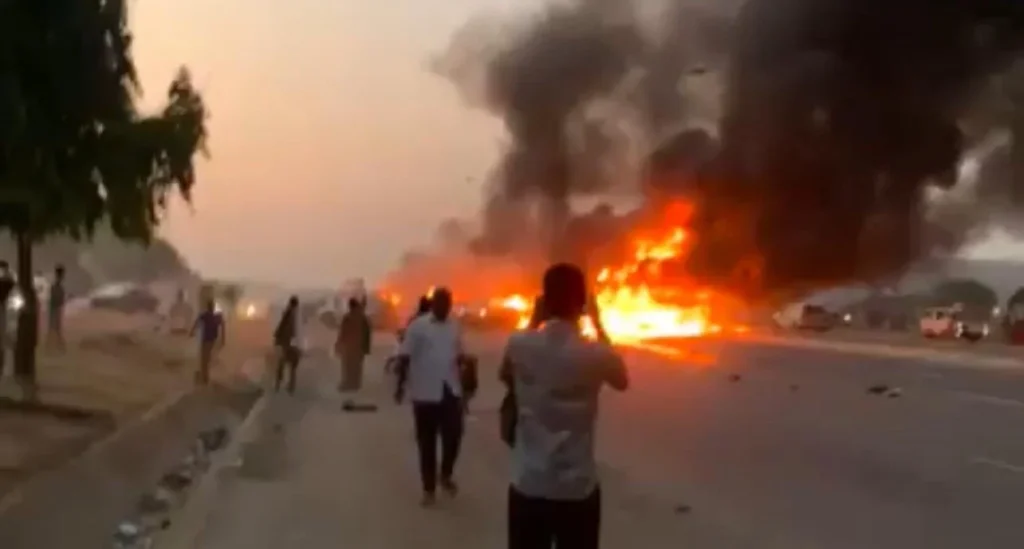
Tuesday’s session comes amid heightened insecurity nationwide. The mass abduction of students and worshippers has dominated headlines in recent weeks, prompting national outrage. Students were kidnapped in Kebbi and Niger states, forcing the closure of several schools across northern Nigeria.
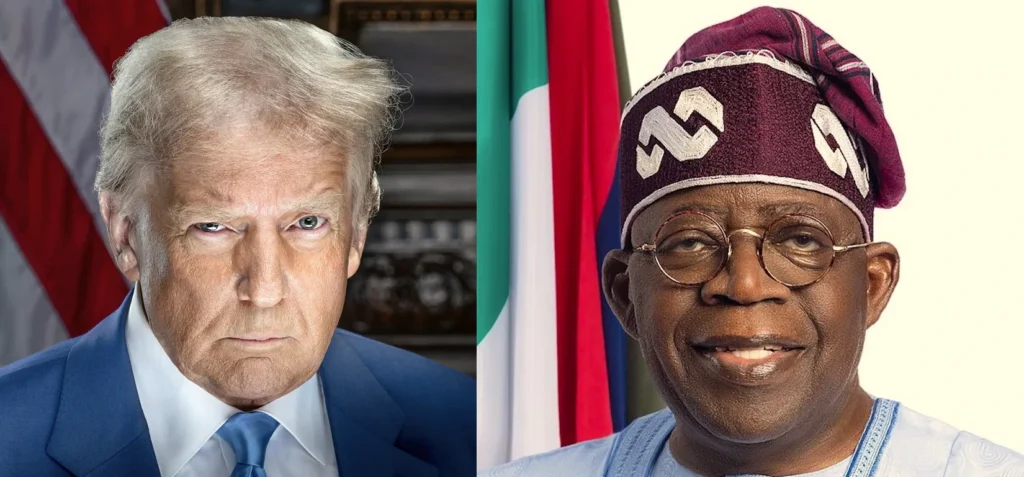
Opposition parties and civic groups have criticised the government for its inability to curtail the crisis, urging President Bola Tinubu’s administration to protect lives and property.
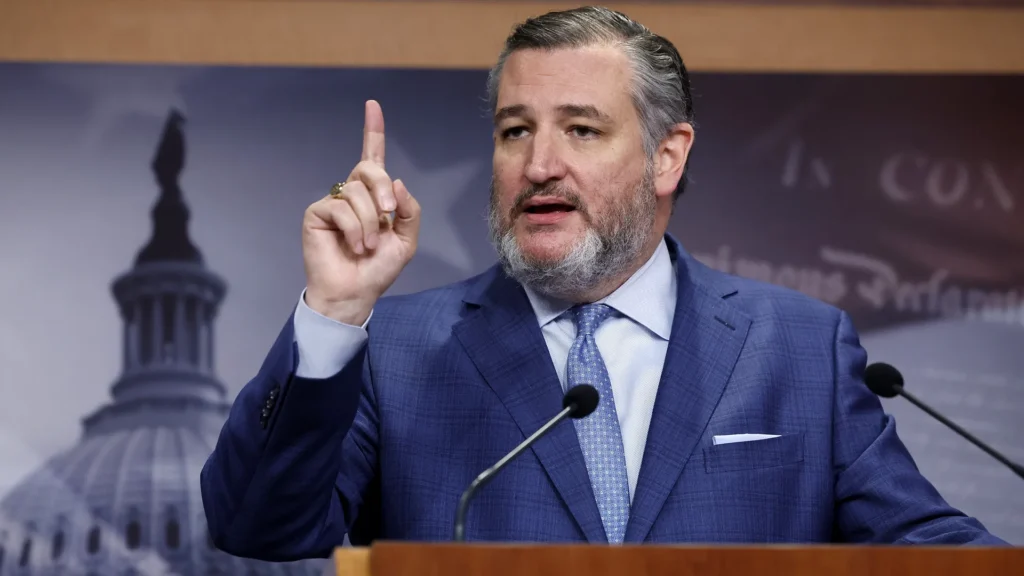
Meanwhile, the United States Congress last week held a public hearing on former President Donald Trump’s redesignation of Nigeria as a Country of Particular Concern (CPC). Victims, lawmakers, and experts testified on the rising levels of insecurity, which have resulted in widespread abductions, destruction of property, and the deaths of hundreds of citizens in recent years.