










































































































































































































































































































































Nine-Hour Meeting Fails as FG Struggles to End Dangote Refinery-PENGASSAN Feud

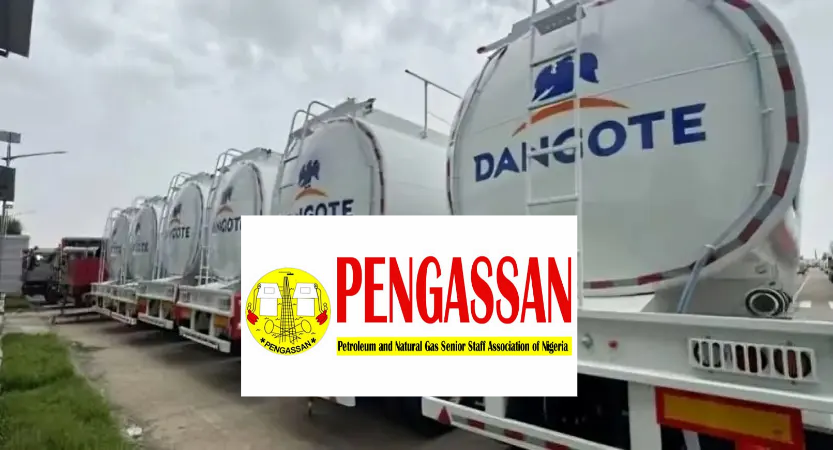
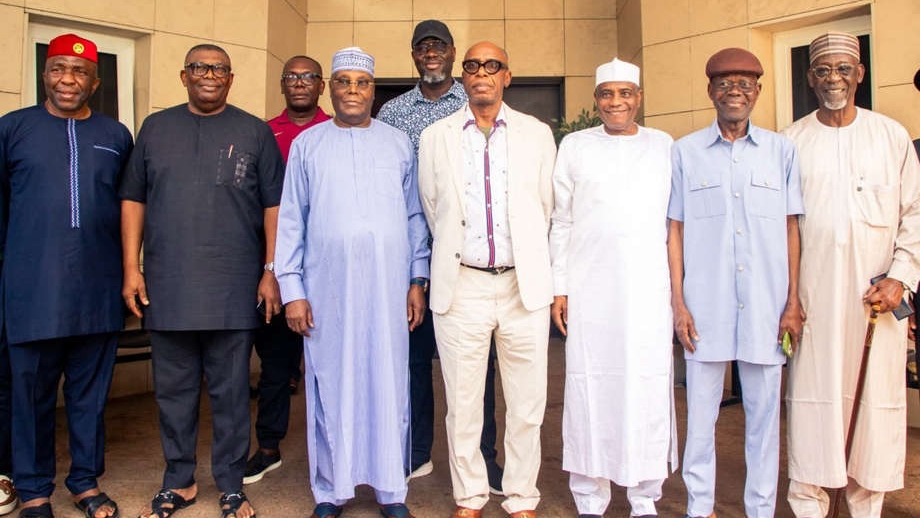
The conciliation meeting between the Federal Government, the Petroleum and Natural Gas Senior Staff Association of Nigeria (PENGASSAN), and the Dangote Group ended in deadlock late Monday.
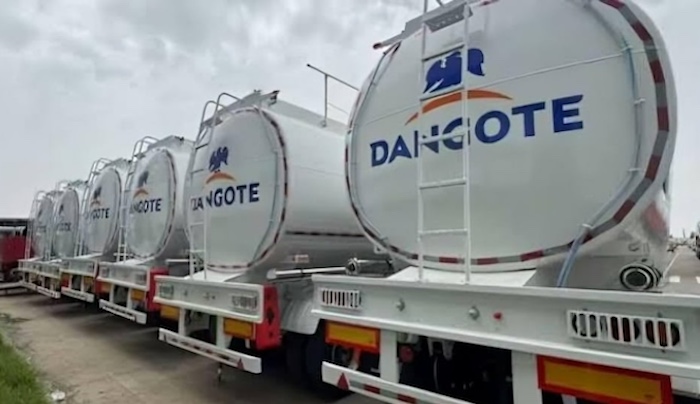
The meeting, which lasted more than nine hours, was convened to resolve the industrial dispute over the alleged dismissal of 800 workers by Dangote Refinery.
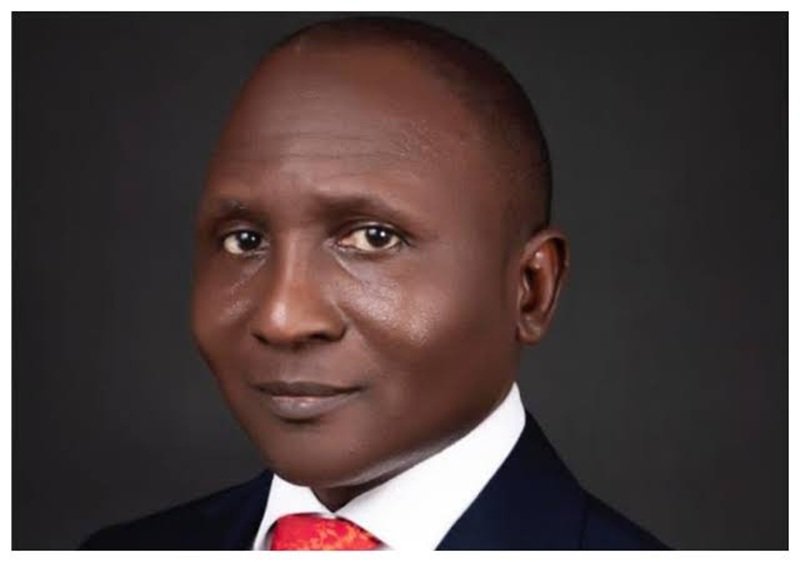
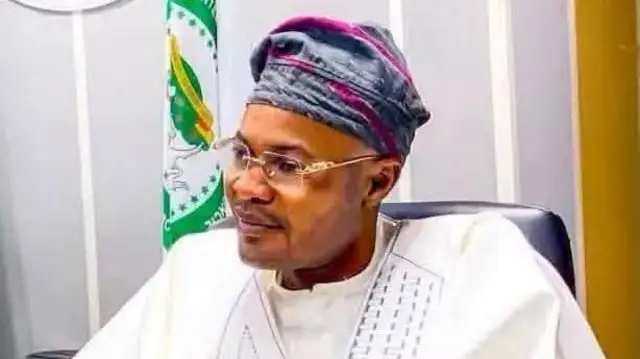
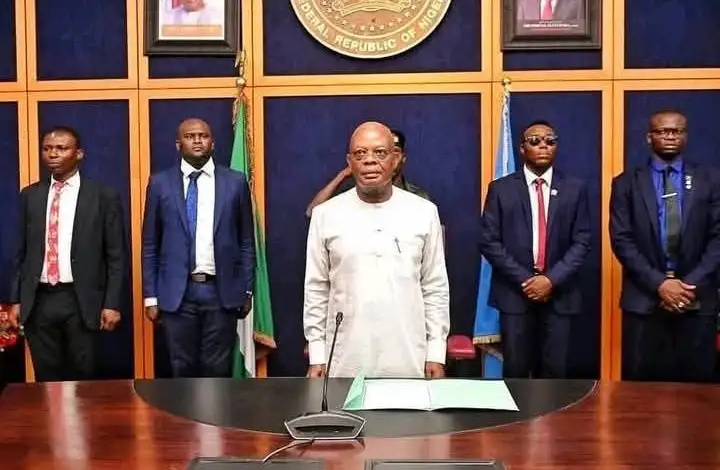
Minister of Labour and Employment, Alhaji Muhammad Dingyadi, who chaired the talks, told journalists early Tuesday that while progress was made, two major issues remained unresolved: reinstatement of the dismissed workers and recognition of unionisation.
“We have made a lot of progress and we are optimistic that by later today, when we resume by 2 p.m., we should be able to arrive at a resolution,” Dingyadi said.
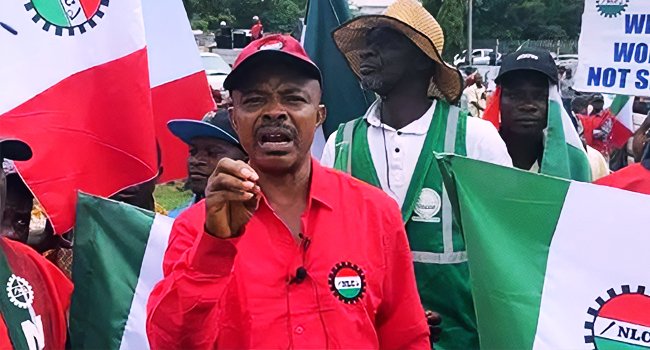
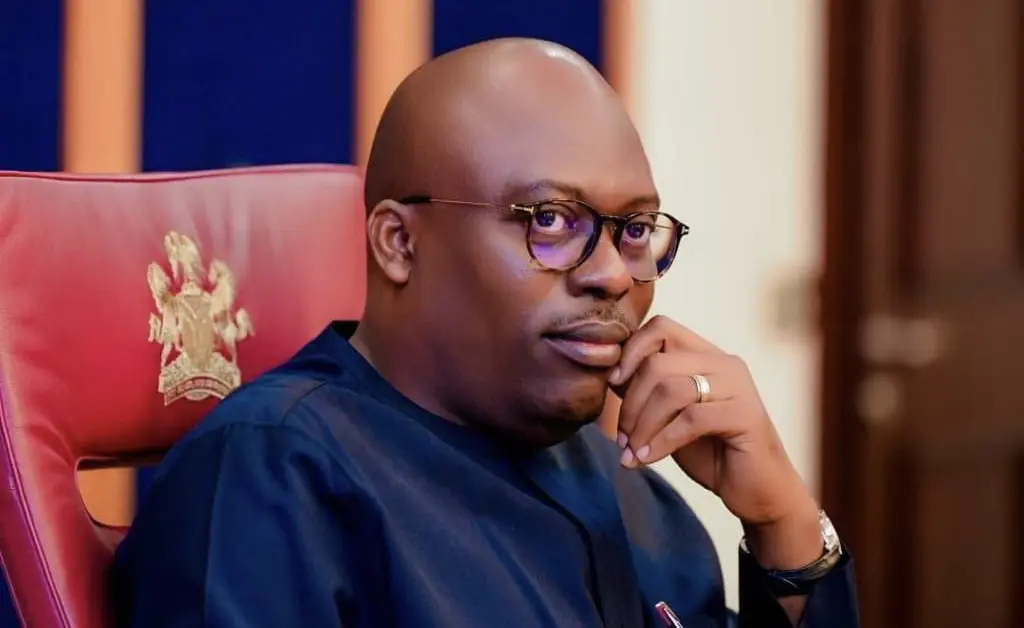
However, PENGASSAN President, Festus Osifo, insisted no agreement was reached on reinstating the workers.
“All we want is that the 800-plus people who were sent home be reinstated. These people are fathers and mothers, and their careers are at stake,” Osifo said.
He warned that labelling some workers as saboteurs had further tarnished their prospects in the oil and gas industry. “If they go home like that, no other company in Nigeria will employ them,” he added.
Osifo stressed that the strike would continue until reinstatement was secured. “Our position is clear: if you reinstate them now, we will call off our action now. But that reinstatement did not happen. So, as it stands, the strike continues until we reconvene later today,” he declared.
He further confirmed that Dangote Group had admitted dismissing the workers, saying: “They agreed that they dismissed 800 people, and the reason was stated in the letter. It cannot be false because the letters of dismissal are already in the media.”
Also speaking, Minister of Finance and Coordinating Minister of the Economy, Wale Edun, expressed concern about the economic risks of the prolonged strike.
“We need to limit the damage of this action to the economy. We need gas flowing, we need crude flowing as inputs into production. We do not want the current momentum of growth to be broken,” he said.