
























































































































































































































































































































































































Battle Lines Drawn Over 2026 Electoral Law as Opposition, Aso Rock Clash

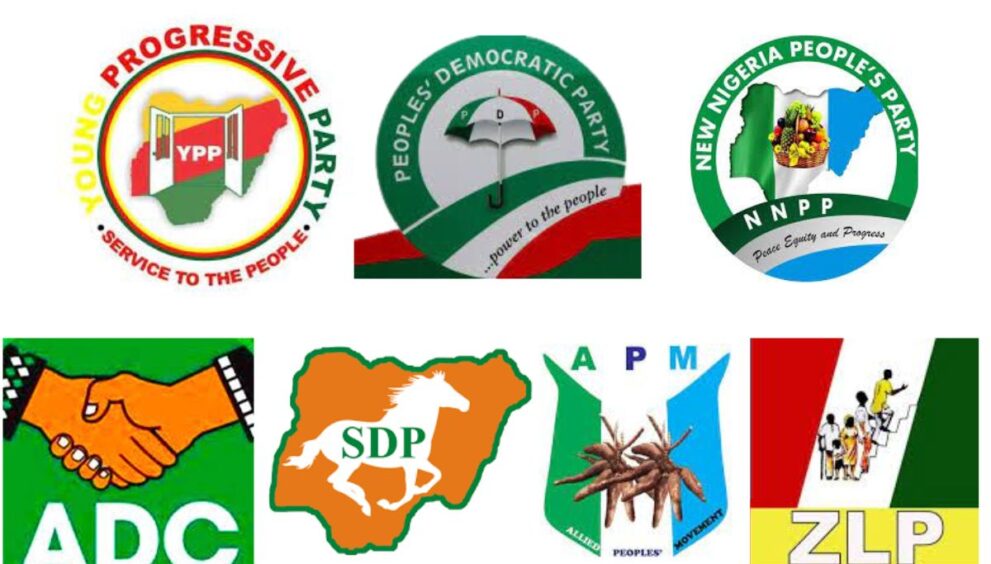
Opposition political parties and the Presidency on Thursday engaged in a war of words over the Electoral Act 2026, with opposition leaders rejecting the new law and demanding an immediate amendment, while the Federal Government accused them of spreading disinformation.
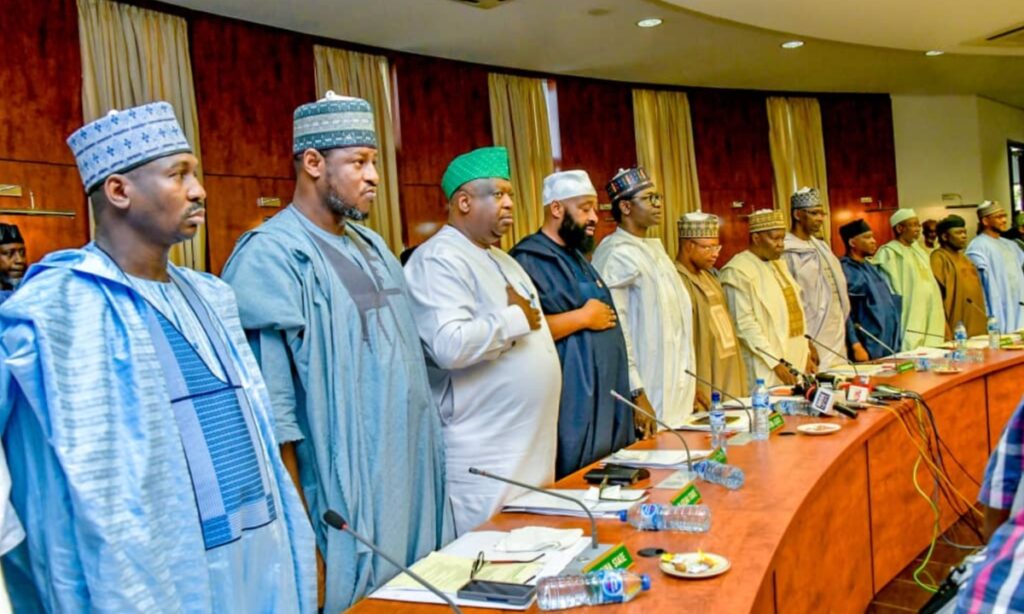
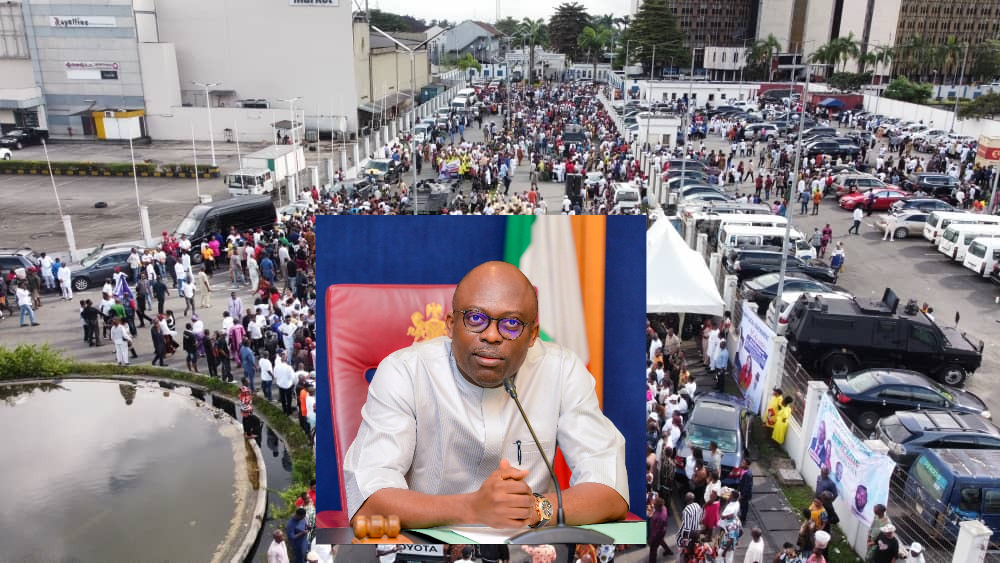
At a press briefing themed “Urgent Call to Save Nigeria’s Democracy”, held at the Transcorp Hilton Hotel in Abuja, opposition figures rejected the legislation recently passed by the National Assembly and signed into law by President Bola Tinubu.
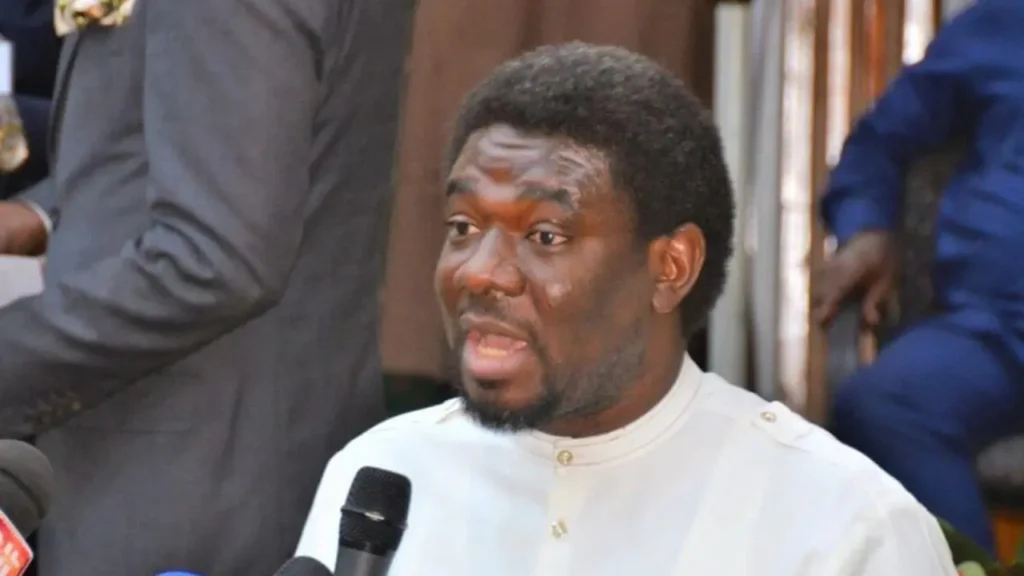
In a communiqué read by the National Chairman of the New Nigeria Peoples Party (NNPP), Dr. Ahmed Ajuji, the coalition called on the National Assembly to commence a fresh amendment process to remove what it described as “all obnoxious provisions” in the Act.
“We demand that the National Assembly immediately commence a fresh amendment to the Electoral Act 2026, to remove all obnoxious provisions and ensure that the Act reflects only the will and aspiration of Nigerians for a free, fair, transparent, and credible electoral process in our country. Nothing short of this will be acceptable to Nigerians,” the communiqué stated.
Among those present were former Senate President Sen. David Mark, former Osun State Governor Mr. Rauf Aregbesola, former Vice President Alhaji Atiku Abubakar, former Rivers State Governor Mr. Rotimi Amaechi, and former Anambra State Governor Mr. Peter Obi, all of the African Democratic Congress (ADC). Also in attendance were NNPP chieftain Mr. Buba Galadima and other senior party members.
The opposition coalition described the amended law as containing “anti-democratic” clauses that could weaken electoral transparency and erode public confidence in the voting system.
Central to its concerns is the amendment to Section 60(3), which permits presiding officers to rely on manual transmission of election results where there is a failure of communication.
According to the coalition, the provision undermines mandatory electronic transmission and could create loopholes for manipulation. It argued that Nigeria’s electoral technology infrastructure is robust enough to support nationwide electronic transmission, citing previous assurances by officials of the Independent National Electoral Commission (INEC).
The parties also rejected the amendment to Section 84, which restricts political parties to direct primaries and consensus methods for candidate selection. They described the change as an unconstitutional intrusion into the internal affairs of political parties and insisted that indirect primaries remain a legitimate democratic option.
The coalition further cited alleged irregularities in the recent Federal Capital Territory local government elections as evidence of what it termed a broader pattern of electoral compromise. It characterised the polls as a “complete fraud” and said the outcome had deepened its lack of confidence in the electoral system’s ability to deliver credible elections in 2027.
It also condemned reported attacks on ADC leaders in Edo State, describing the incidents as a serious threat to democratic participation and political tolerance. The coalition warned that rising violence against opposition figures could destabilise the political environment if not urgently addressed.
Pledging to pursue “every constitutional means” to challenge the law, the opposition leaders declared: “We will not be intimidated,” and urged civil society organisations and citizens to defend Nigeria’s democratic system.
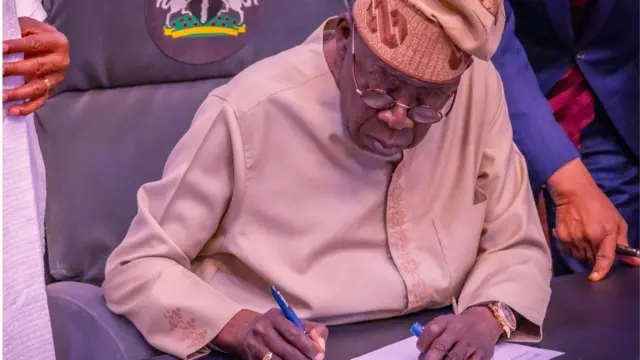
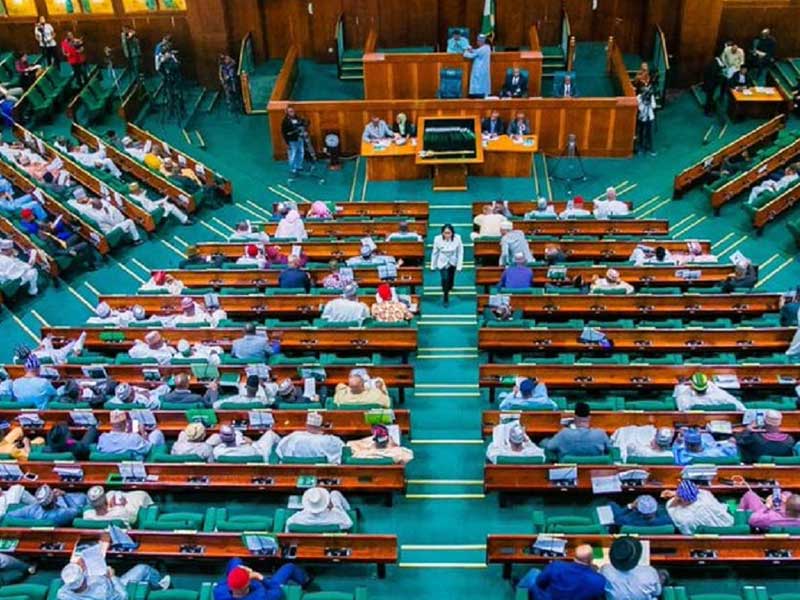
The Electoral Act (Amendment) 2026 was signed into law by Tinubu on February 18, 2026, following its passage by the National Assembly. The Act introduced several reforms, including statutory recognition of the Bimodal Voter Accreditation System (BVAS) and revised election timelines.
However, critics, including Atiku Abubakar and Peter Obi, have called for further amendments, particularly concerning the manual transmission fallback clause, which they argue leaves room for manipulation.
Responding to the opposition’s position, the Presidency cautioned against what it described as persistent disinformation and unwarranted outrage over the amended Act.
In a statement titled “Opposition parties should stop constant lamentation and unwarranted outrage against the Electoral Act and the APC government”, presidential spokesperson Mr. Bayo Onanuga said certain opposition figures, including members of the ADC and NNPP, had made misleading allegations against Tinubu and the All Progressives Congress (APC)-led Federal Government.
Onanuga said the amended law does not prohibit real-time transmission of election results.
“The 2026 Electoral Act does not prohibit real-time transmission. It simply stipulates that if transmission fails, the result recorded on Form EC8A shall be deemed valid,” he said.
He added that the IReV portal is not a collation centre but a platform for uploading results for public viewing.
The Presidency also defended the inclusion of direct primaries and consensus options for selecting party candidates, arguing that the removal of delegate-based primaries would strengthen internal party democracy and return ownership of political parties to their members.
“The opposition’s claim that the National Assembly ignored Nigerians’ wishes is false,” Onanuga said, adding that lawmakers engaged stakeholders and experts over a two-year period before passing the amendment.
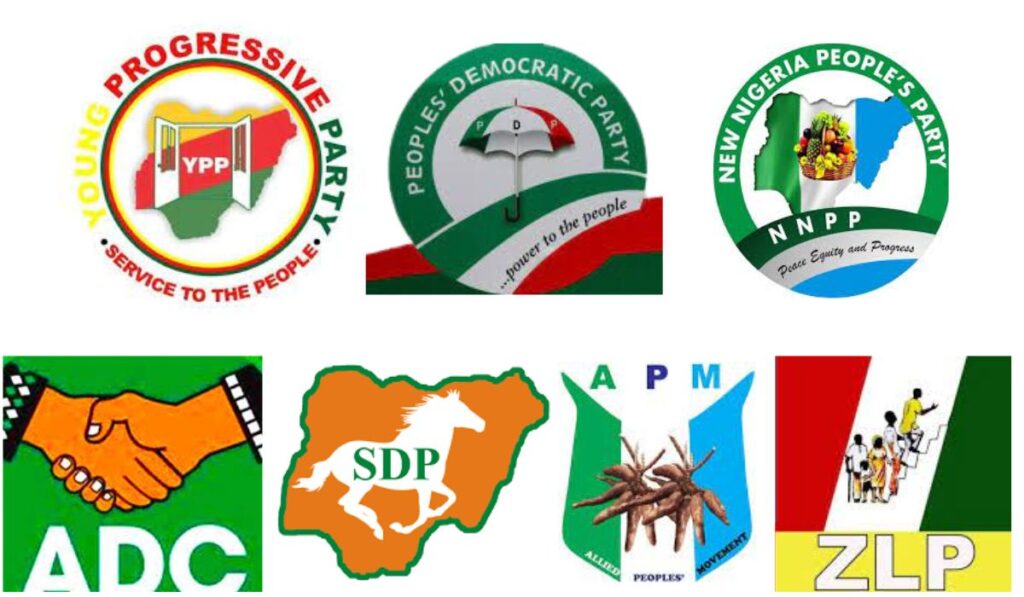
He dismissed allegations that the administration was pursuing a one-party state, insisting that Nigeria remains “a vibrant multi-party democracy with more than a dozen registered parties”.
The presidential aide urged opposition parties to desist from what he termed constant lamentation over the new law, maintaining that the amended Act strengthens the electoral framework and closes loopholes in the repealed legislation.
The controversy over the Electoral Act 2026 has intensified political debate ahead of the 2027 general elections, with both the opposition and the Presidency holding firm to sharply divergent positions on the law’s implications for electoral transparency and democratic consolidation.