

















































































































































































































































































































FG, ASUU sign new agreement, approve 40% pay rise for varsity lecturers


The Federal Government has unveiled a renegotiated agreement with the Academic Staff Union of Universities (ASUU), describing it as a major step towards restoring stability, trust and quality in Nigeria’s tertiary education system.
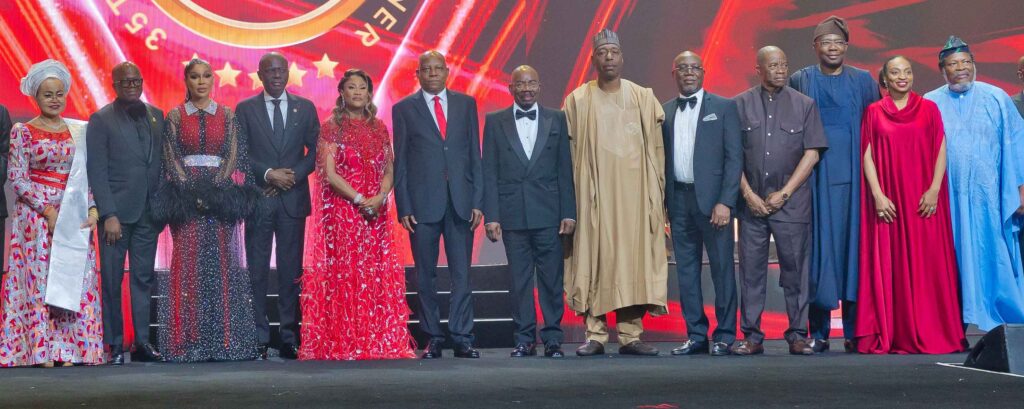
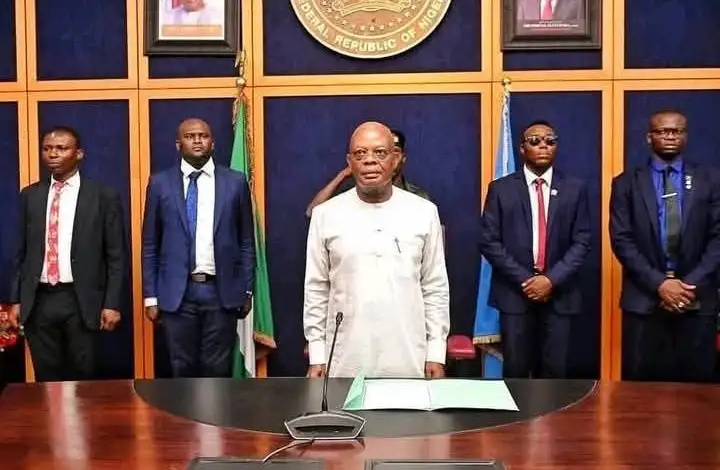
The Minister of Education, Dr. Tunji Alausa, made this known at the presentation of the agreement in Abuja on Wednesday, saying it reflected the commitment of President Bola Tinubu to accessible, high-quality and uninterrupted academic calendars.
According to the minister, the President took personal ownership of resolving long-standing disputes that had plagued the university system for decades.
“For decades, unresolved remuneration concerns, welfare gaps and recurring industrial disputes disrupted academic calendars, undermined staff morale and threatened the future of our young people.
“Under the leadership of President Bola Tinubu, we deliberately chose dialogue over discord, reform over delay, and resolution over rhetoric,” Alausa said.
He explained that a major provision of the agreement was the review of the remuneration package for academic staff in federal tertiary institutions, as approved by the National Salaries, Income and Wages Commission, with effect from January 1, 2026.
According to him, the emoluments of university academic staff have been reviewed upwards by 40 per cent to improve morale, enhance service delivery, boost global competitiveness and curb brain drain.
He said the 40 per cent increase would be implemented through a consolidated academic tools allowance, which is specific to university academic staff and now forms part of their salary structure.
The minister explained that the allowance would cover journal publications, conference participation, internet access, learned society membership and book allowances, which he described as essential for effective teaching, research and global academic competitiveness.
He added that nine previously earned academic allowances had been restructured, clearly defined and tied strictly to duties performed, in order to promote productivity, accountability and fairness.
Alausa also announced the introduction of a new professorial credit allowance, which he described as the first of its kind approved by the Federal Government.
According to him, the allowance applies strictly to full-time professors and academic readers in universities, in recognition of their extensive scholarly, administrative and research responsibilities.
Under the new structure, professors will receive an additional N1.8 million per annum, amounting to about N140,000 monthly, while academic readers will receive N840,000 per annum, or about N70,000 monthly.
The minister said the allowance was designed to support research coordination, academic documentation, correspondence and administrative efficiency, thereby enabling senior academics to focus more on teaching, mentorship, innovation and knowledge production.
He disclosed that the government had already commenced implementation of the agreement, noting that a circular directing the full implementation of the wages component had been issued by the National Salaries, Income and Wages Commission.
According to him, the circular, dated December 30, 2025, was released to ensure that the agreement takes effect from January 1, 2026, in line with the government’s commitment.
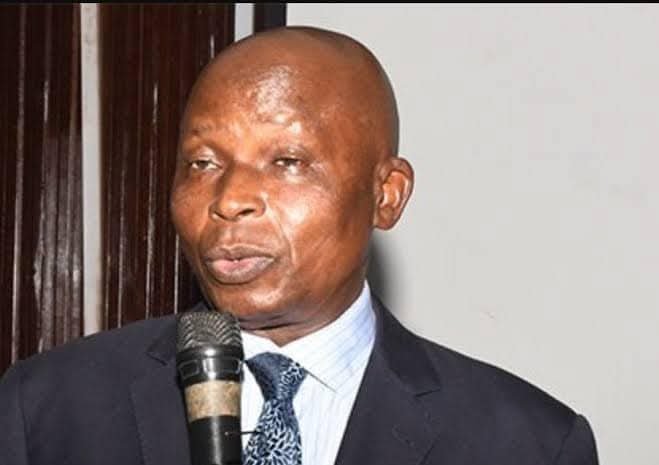
Also speaking, the President of ASUU, Prof. Chris Pinuwa, recalled that the 2009 agreement, which was due for renegotiation in 2012, suffered prolonged delays.
Pinuwa said the 2025 agreement was the product of a renegotiation process initiated in 2017 to revitalise Nigeria’s university system.
According to him, several renegotiation committees were constituted between 2017 and 2022 under successive administrations, including those chaired by Mr. Wale Babalakin, Munzali Jibrin and Prof. Nimi Briggs, but none produced a collective bargaining agreement.
He said the current administration inaugurated a new renegotiation committee, chaired by Alhaji Yayale Ahmed, in October 2024, adding that an agreement was reached about 14 months later.
According to Pinuwa, the agreement focuses on conditions of service, funding, university autonomy and academic freedom, as well as other systemic reforms aimed at reversing decay, curbing brain drain and repositioning universities for national development.
He commended Ahmed and members of the renegotiation team, Alausa and President Tinubu for their commitment to concluding the process.
While expressing satisfaction with the successful collective bargaining outcome, Pinuwa noted that some issues remained unresolved, particularly persistent government interference in university autonomy.
“As we celebrate a successful collective bargaining process between ASUU and the Federal Government, we must also acknowledge that there are still pending issues, largely internal.
“This challenge continues to drag down the progress and survival of the university system: persistent government encroachment on university autonomy,” he said.
He added that although university autonomy is recognised in principle and partially entrenched in law, its practical implementation in Nigeria remains weak.