


































































































































































































































































































































































₦58.47 Trillion 2026 Budget Passes Second Reading in Senate


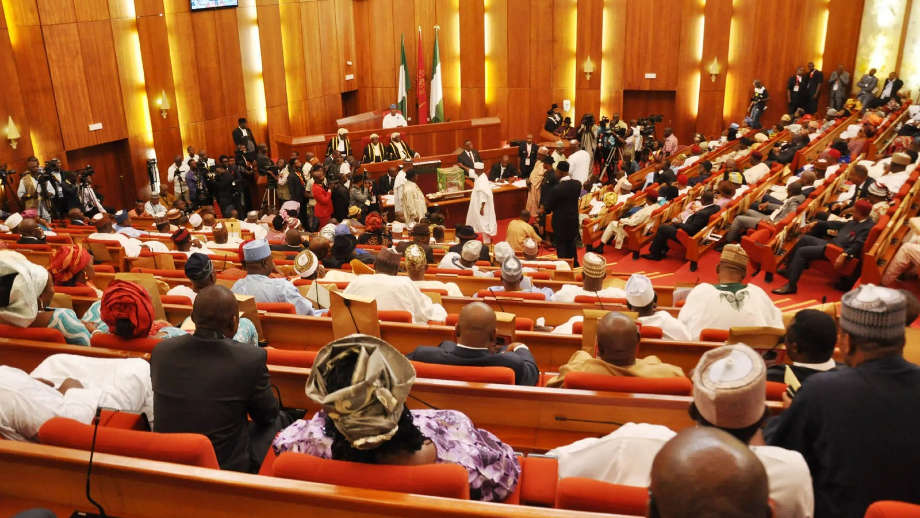
The 2026 Appropriation Bill, valued at ₦58.47 trillion, has passed its second reading in the Senate, paving the way for detailed committee scrutiny.
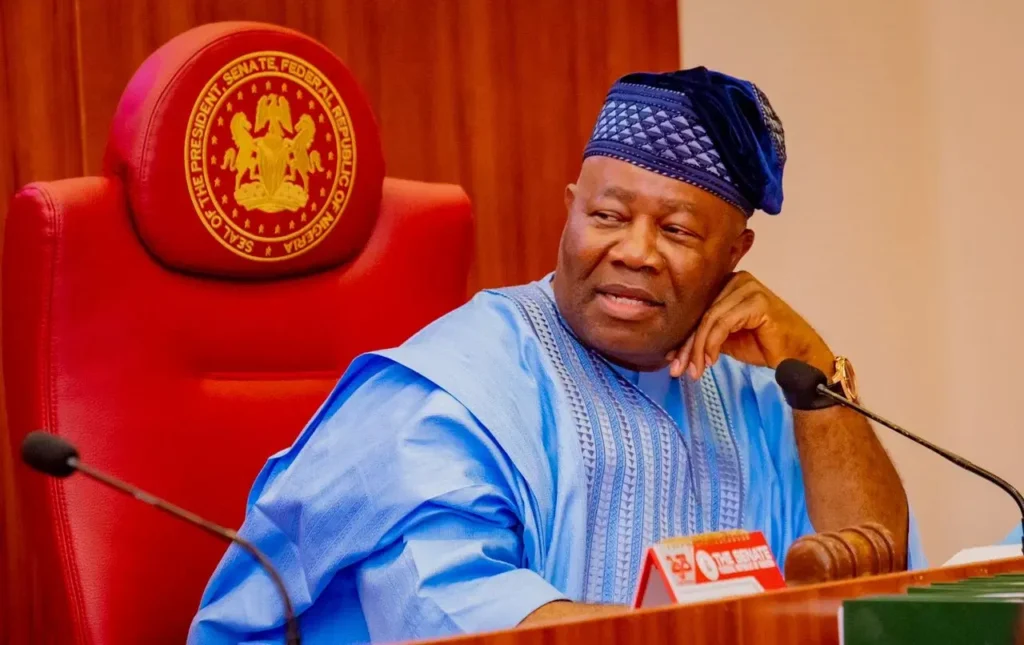
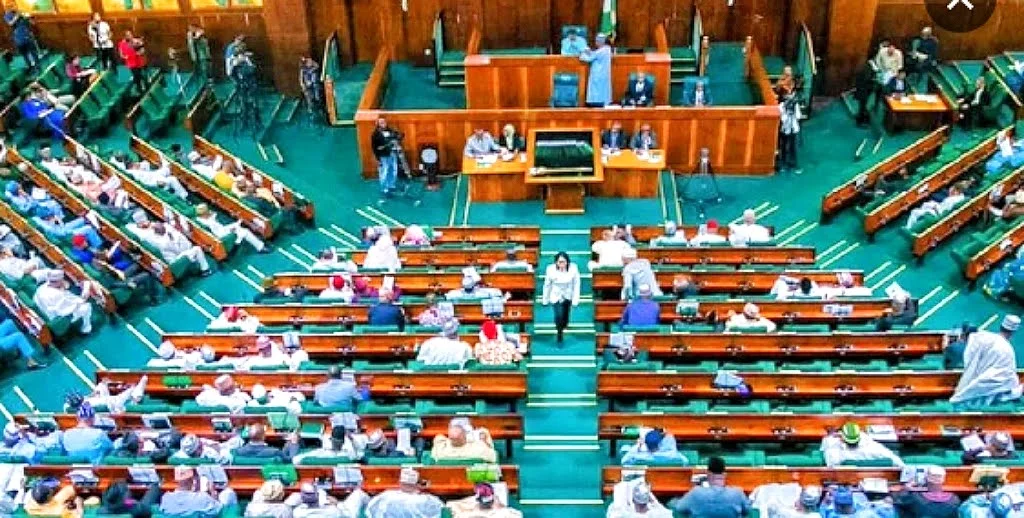
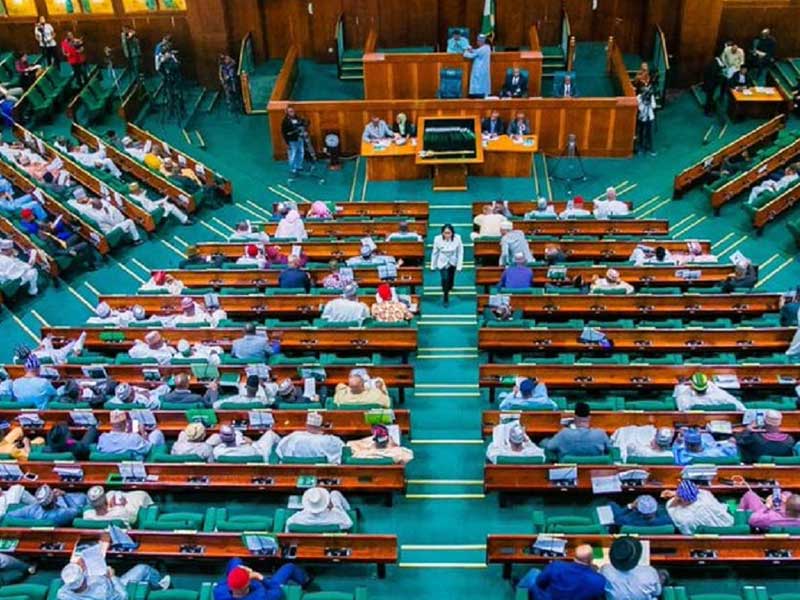
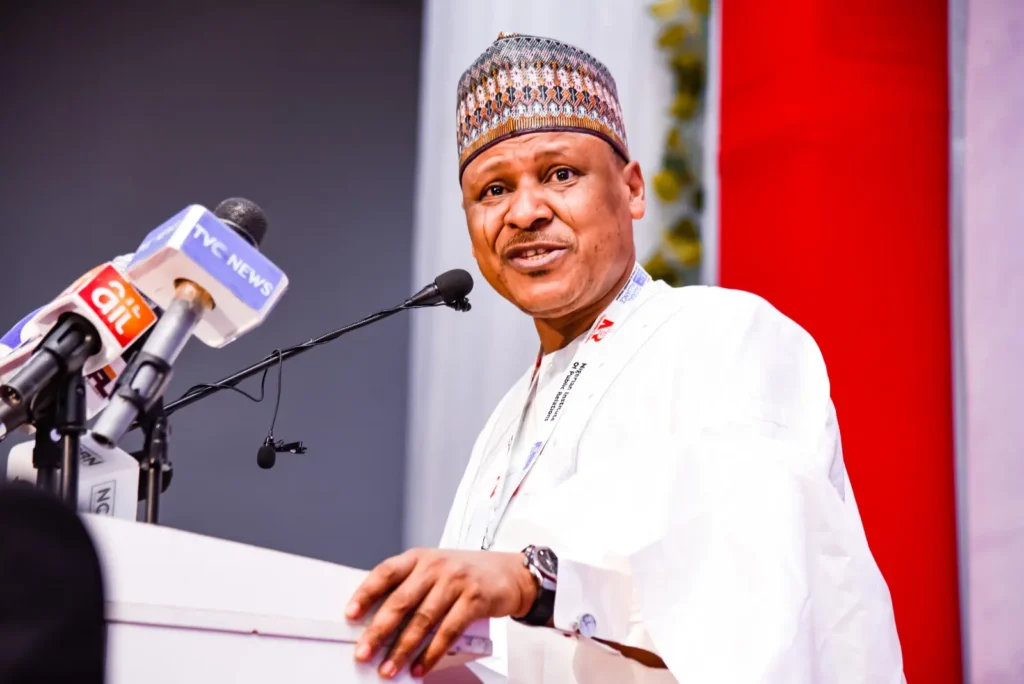
The advancement followed a lead debate presented by the Senate Leader, Sen. Opeyemi Bamidele, during Tuesday’s plenary session. President Bola Tinubu had initially presented the budget estimates to a joint session of the National Assembly on 19 December.
Leading the debate, Sen. Bamidele outlined the bill’s purpose: to authorise the issuance of ₦58,472,628,944,759 from the Consolidated Revenue Fund for the 2026 fiscal year. He described the appropriation as the central legal instrument for translating the President’s policy direction into enforceable public expenditure, critical for governance, economic management, and national development.
Sen. Bamidele stated that the budget, set against a backdrop of far-reaching economic reforms, was one of “consolidation” rather than experimentation. It aims to stabilise key indicators and accelerate growth through targeted public investment.
The proposed total expenditure of ₦58.472 trillion comprises ₦4.097 trillion for statutory transfers, ₦15.909 trillion for debt service, ₦15.252 trillion for recurrent (non-debt) expenditure, and ₦23.214 trillion for capital expenditure.
Sen. Bamidele noted that the structure reflects a deliberate prioritisation, with capital spending as the largest discretionary component. The ₦23.214 trillion capital allocation is targeted at critical sectors such as transport infrastructure, power, agriculture, industrial development, housing, and the digital economy, designed to stimulate private investment, create jobs, and strengthen security.
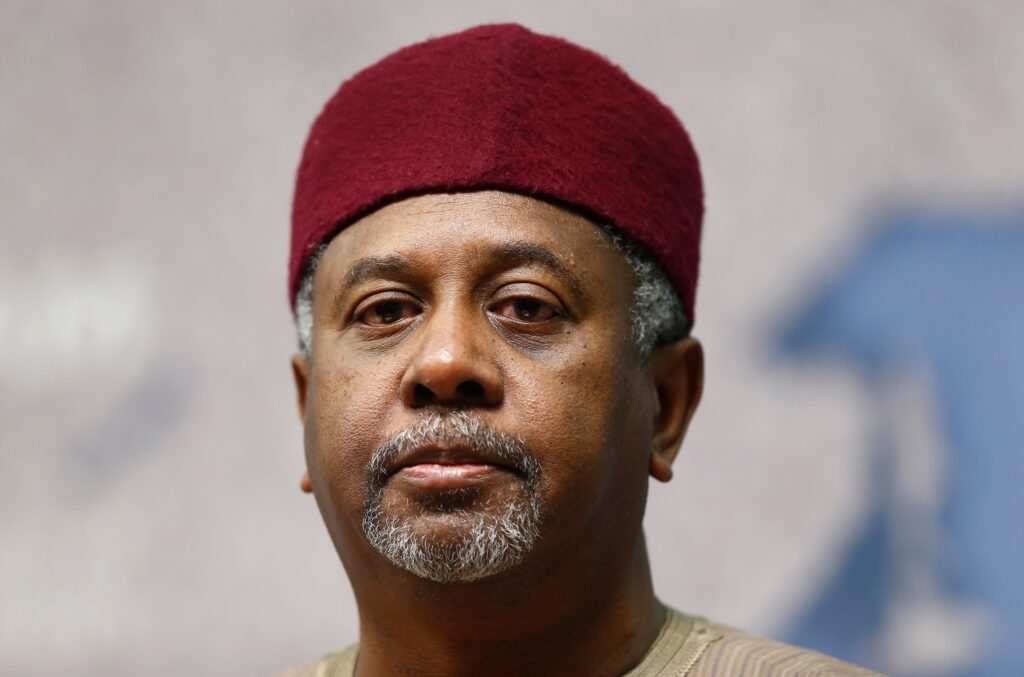
Contributing to the debate, Sen. Adamu Aliero (APC-Kebbi) supported the bill but urged the Appropriations Committee to subject it to “thorough scrutiny.” He praised the unprecedented capital allocation and provisions for security and education, emphasising the need for proper implementation.
Sen. Sani Musa (APC-Niger) highlighted the importance of the substantial debt service provision for restoring investor confidence, particularly as the nation approaches an election cycle.
Following the debate, the Senate passed the bill for a second reading and referred it to the Committee on Appropriations for further consideration.