










































































































































































































































US Congress Urged to Demand End to Sharia Law, Disband Hisbah in Northern Nigeria


United States lawmakers were on Tuesday urged to pressure the Nigerian government to abolish Sharia law in northern states where it has been adopted and disband the religious-enforcement Hisbah commissions, as experts warned that these laws and institutions are fuelling systematic anti-Christian persecution.
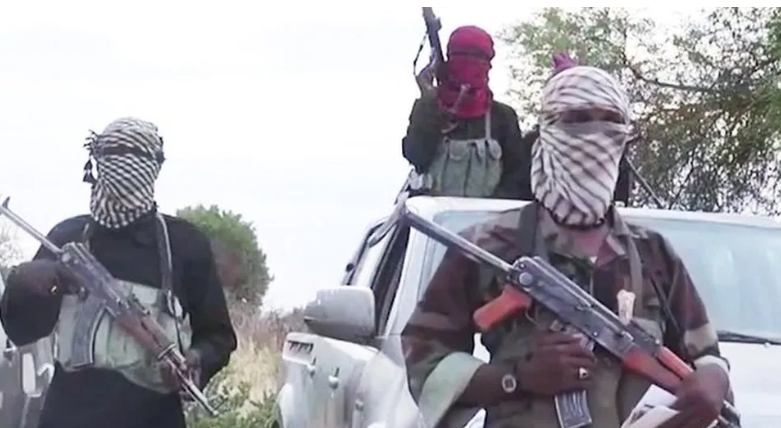
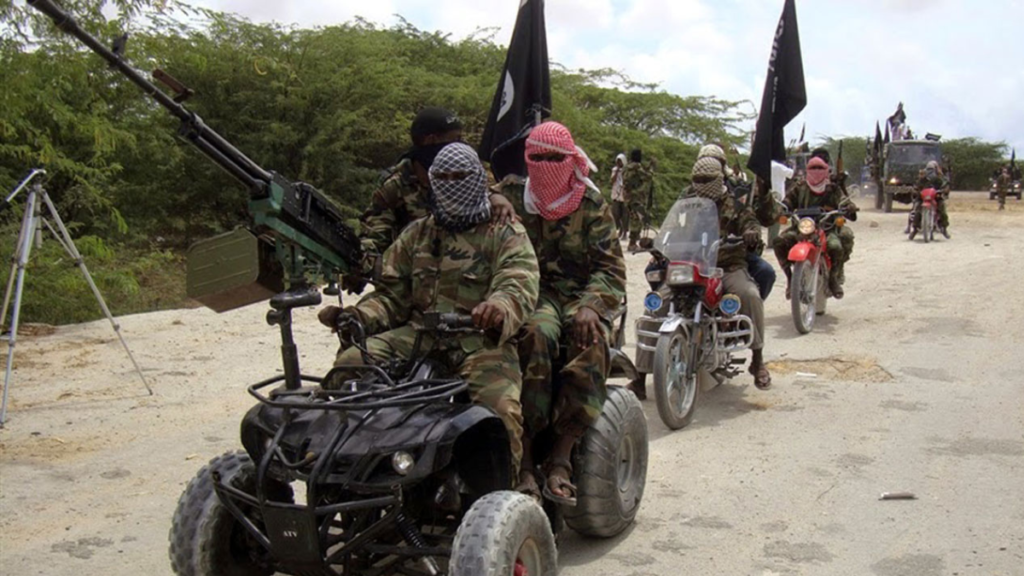
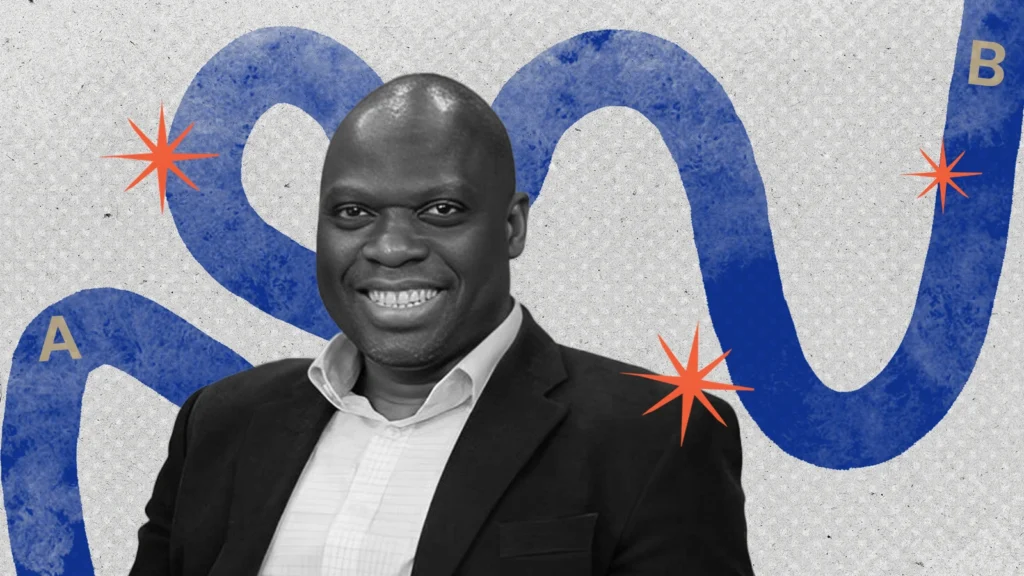
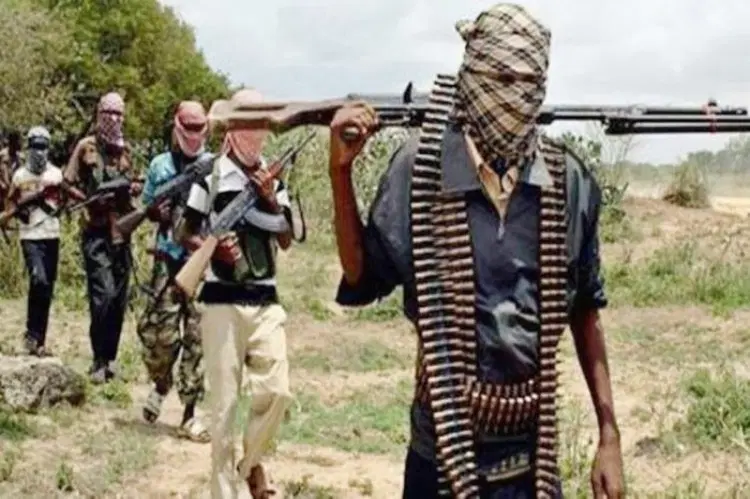
During a joint House briefing convened in response to US President Donald Trump’s October directive and the redesignation of Nigeria as a Country of Particular Concern (CPC), Council on Foreign Relations Senior Fellow, Dr. Ebenezer Obadare, testified that the primary drivers of violence—Boko Haram, Islamic State West Africa Province (ISWAP), and radicalised Fulani militants—exploit Sharia frameworks and Hisbah operatives to impose extremist ideology, carry out forced conversions, and act with near-total impunity.
Dr. Obadare outlined a strategy for addressing the violence and mass killings. A statement by the House Appropriations Committee quoted him as saying: “The policy goal should be two-fold: first, work with the Nigerian military to neutralise Boko Haram.
“Second, the United States should put pressure on President Tinubu to (1) make Sharia law unconstitutional in the twelve northern states where it has been adopted since 2000, and (2) disband the various Hisbah groups across northern states seeking to enforce and impose Islamic law on all citizens, regardless of their religious identity.”
He acknowledged recent efforts by the Federal Government following pressure from Washington. “As recent events have shown, the Nigerian authorities are not impervious to incentives,” he said.
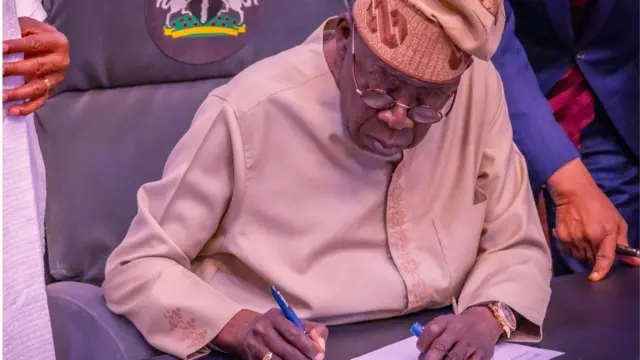
“Since the country’s CPC designation, and President Trump’s threat of unilateral military action against Boko Haram, President Tinubu has taken several steps, including ordering air strikes on Boko Haram targets, recruiting an additional 30,000 policemen, and, most recently, declaring a national security emergency.” He, however, insisted that more must be done. “Washington must keep up the pressure,”
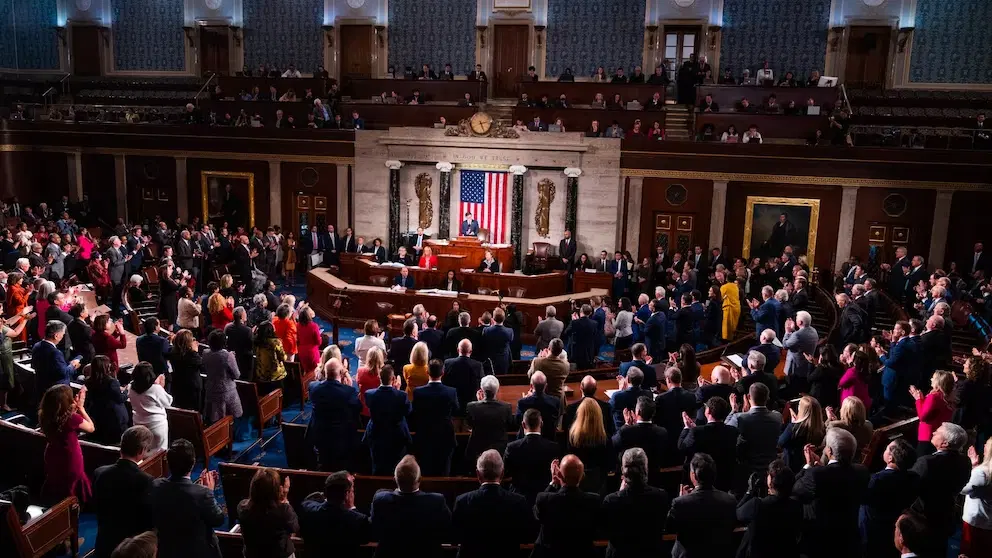
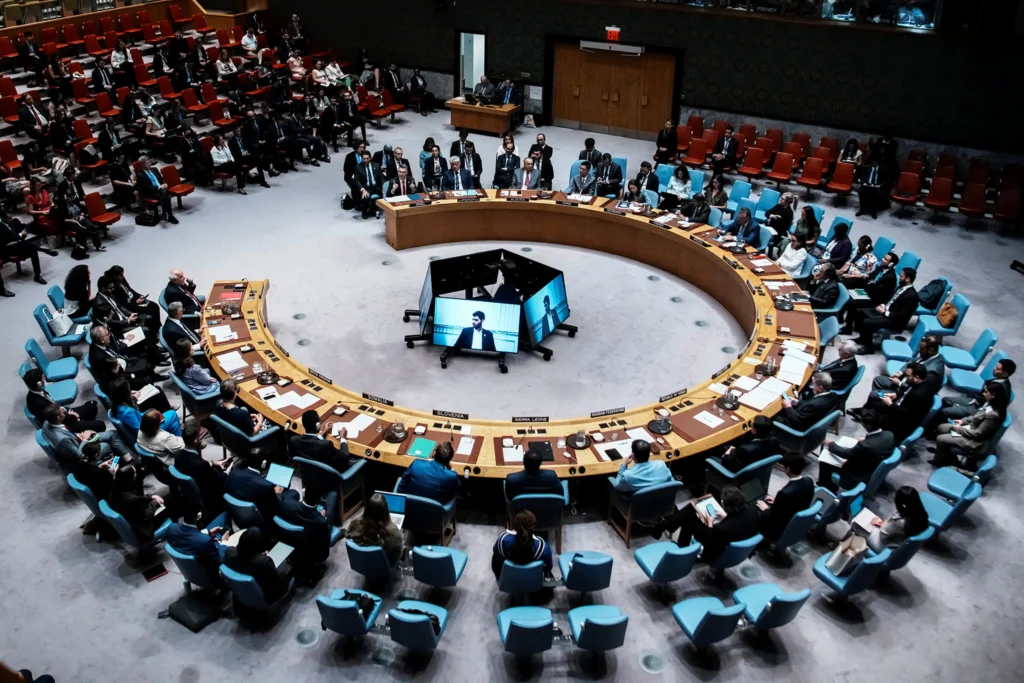
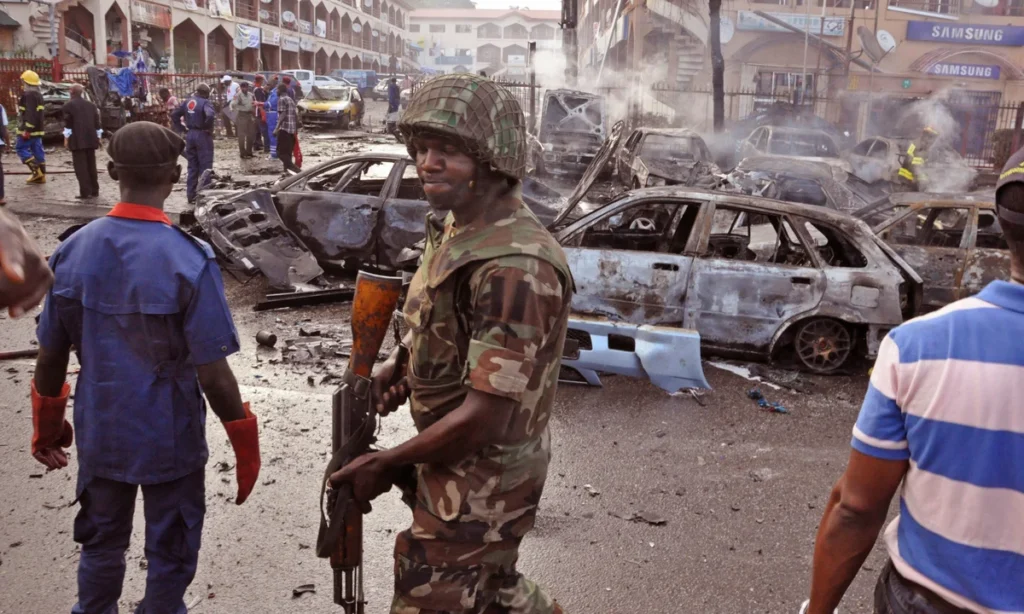
The bipartisan session, led by Appropriations Vice Chair, Mr. Mario Díaz-Balart (R-FL), and involving the House Foreign Affairs Committee, heard repeated accusations that the Nigerian government is complicit in what lawmakers described as “religious cleansing” across the north and Middle Belt.
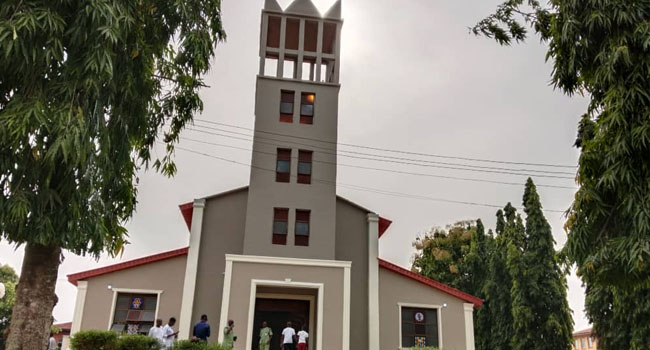
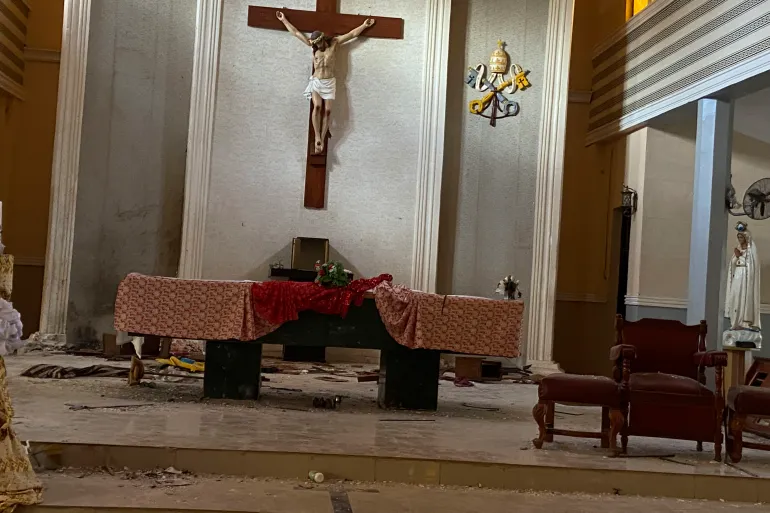
Witnesses cited the 22 November abduction of children and teachers from St. Mary’s Catholic School in Papiri, Niger State, what they described as ongoing blasphemy-law imprisonments, and mass killings, rejecting claims that the violence stems solely from resource disputes.
Dr. Obadare emphasised the roots of the crisis, saying: “The deadliest and most serious threat confronting the Nigerian state today is jihadist terror, perpetrated by the Islamist group Boko Haram.
“Boko Haram’ translates to ‘Western education is forbidden’. Boko Haram’s barbarous and implacable campaign to overthrow the Nigerian state and establish an Islamic caliphate in its stead is the source of Nigeria’s present discontents. Every proposal to solve the Nigerian crisis that does not take seriously the need to radically degrade, and ultimately eliminate, Boko Haram as a fighting force is a non-starter,” he said.
Rep. Chris Smith (R-NJ) labelled Nigeria “ground zero” for global anti-Christian persecution, while Rep. Brian Mast (R-FL) demanded the disarmament of militias and the prosecution of attackers.
Chair of the US Commission on International Religious Freedom, Ms. Vicky Hartzler, and Mr. Sean Nelson of Alliance Defending Freedom International detailed recent atrocities and urged Washington to deploy security-aid leverage, early-warning systems, and targeted sanctions to enforce accountability.
Lawmakers from both parties signalled support for Mr. Díaz-Balart’s FY26 appropriations language addressing the crisis. They announced that the Appropriations Committee is preparing a formal report to President Trump containing concrete recommendations, including potential conditions on US assistance to Nigeria.
The briefing underscored the Trump administration’s recent redesignation of Nigeria as a Country of Particular Concern. It reflected a growing congressional consensus that reversing Sharia criminal law in the north and dismantling Hisbah forces are essential steps to halting one of the world’s deadliest campaigns against religious minorities.
Nigeria was first designated a CPC in 2020 under President Trump, but the designation was removed by his successor, President Joe Biden. However, on 31 October, President Trump redesignated Nigeria a CPC over religious-freedom violations. He later threatened military action if the Federal Government fails to act, warning that the US may halt aid if Christian persecution persists.
Tuesday’s briefing was not the first of its kind. The US House of Representatives Subcommittee held a hearing on the redesignation on 20 November, featuring senior US State Department officials and Nigerian religious leaders.

