






































































































































































































































































































Motorists Decry Long Queues, Scarcity as CNG Adoption Outpaces Infrastructure

Motorists across Nigeria are expressing frustration over inadequate infrastructure for Compressed Natural Gas (CNG), as long queues persist at filling stations.
A correspondent of the News Agency of Nigeria (NAN) observed that drivers spent several hours in queues for refills, despite CNG being promoted as a cleaner, cheaper and more sustainable alternative to petrol. Many criticised marketers for failing to expand infrastructure quickly enough and called on the government to compel them to act.
One motorist, Olakunle Ajayi, said he spent six hours in line at the NNPC Zone 1 retail outlet, arriving at 9 a.m. but only managing to buy gas by 3 p.m. “If this had been a working day, I would have lost an entire day’s work,” he lamented.
Another motorist, Sylvester Abua, an ardent CNG user, cited the product’s affordability and low combustion rate but warned that its benefits risk being eroded by scarcity. He also alleged sharp practices at some stations. Abua urged government to encourage private sector investment through incentives and to regulate sales to prevent exploitation.
Similarly, a driver identified as Ehis complained about rising costs, noting that the price per Standard Cubic Metre (SCM) had recently jumped from N230 to N380. “Even with the price increase, supply is still inadequate, and we spend hours on queues. As a ride-hailing driver, the lost time is money I’ll never recover,” he said.
Another motorist, Mr. Ezekiel Manah, expressed disappointment, saying the scarcity had defeated the purpose of converting his car to run on CNG, given the acute shortage of filling stations in Abuja and other areas.
A CNG marketer explained that many operators abandoned the sector when the former price of N230 per SCM proved unprofitable. However, the Presidential Compressed Natural Gas Initiative (PCNGI) insisted that progress was being made.
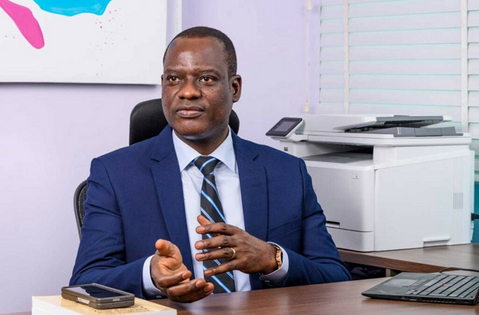
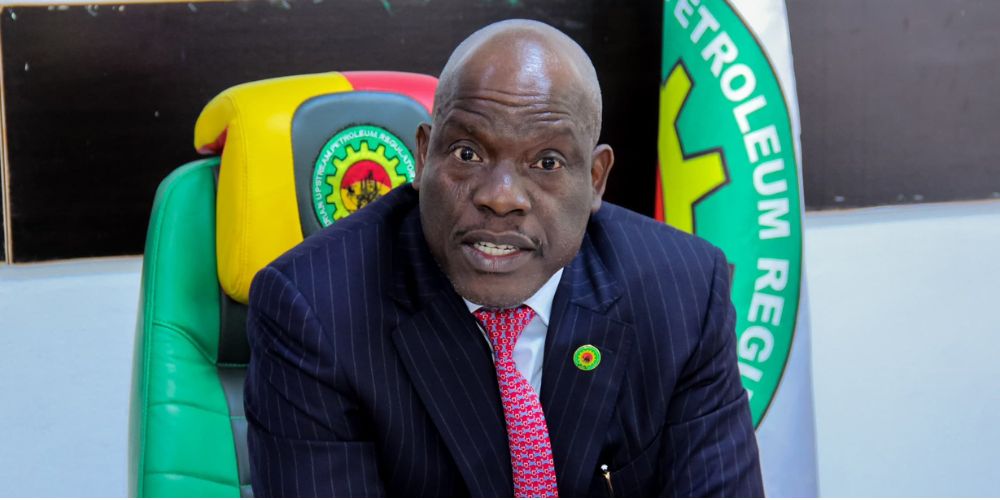
Programme Director and Chief Executive Officer of PCNGI, Michael Oluwagbemi, noted that with CNG-powered vehicles rising to 100,000—a fivefold increase in one year—demand had naturally outpaced supply. He added that the government’s incentives had spurred massive adoption, but infrastructure expansion would take time.
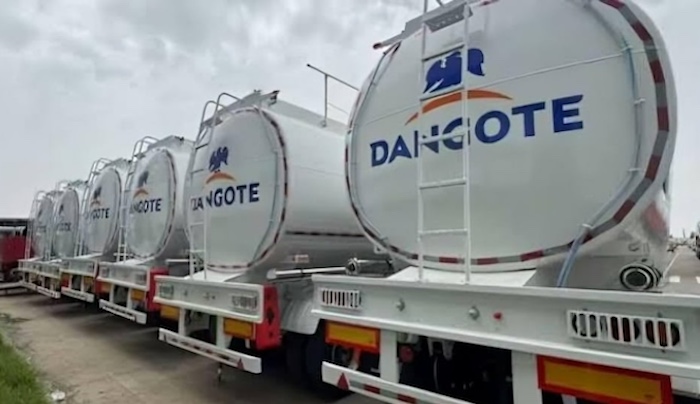
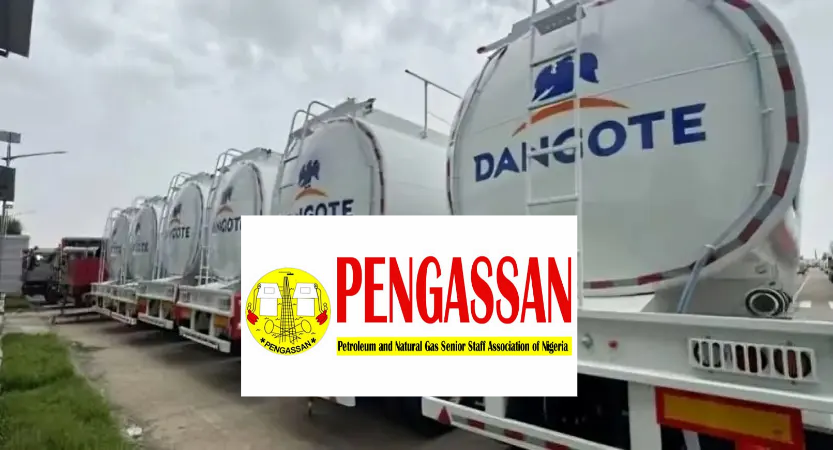
He highlighted the Dangote Group’s recent deployment of 4,000 CNG-powered trucks, 100 virtual pipeline vehicles and several daughter stations as evidence of progress. According to him, government resolve and private investment must align to expand filling points nationwide.