












































































































































































































































Federal Government Flags ‘Frightening’ Structural Damage on Carter Bridge


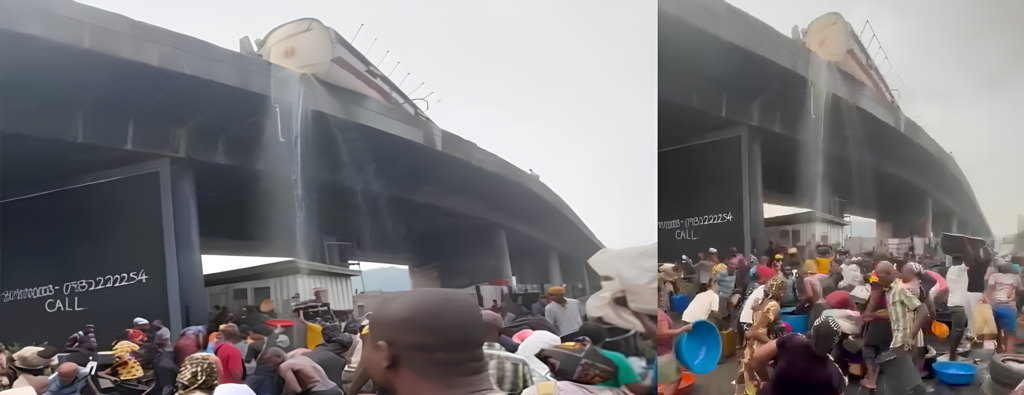
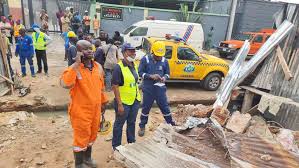
The Federal Government has expressed grave concern over the condition of the Carter Bridge in Lagos, describing the structural damage below the waterline as alarming and in need of urgent attention.
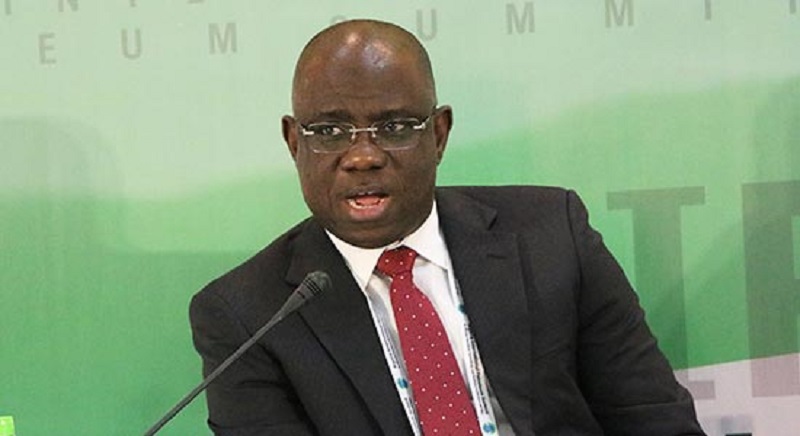
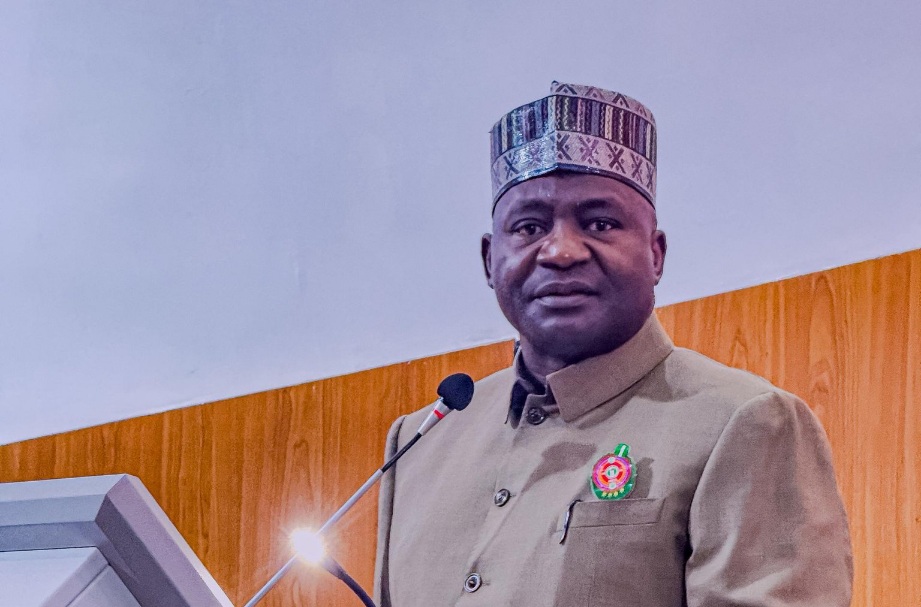
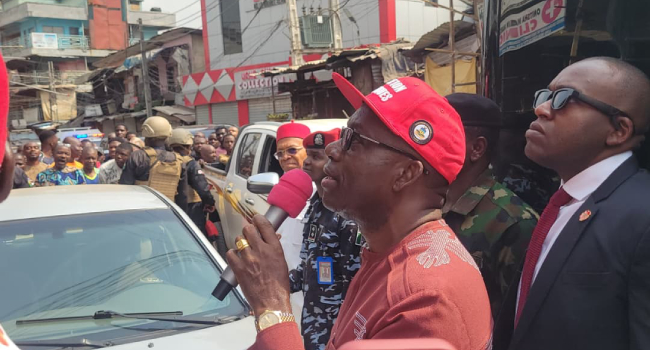
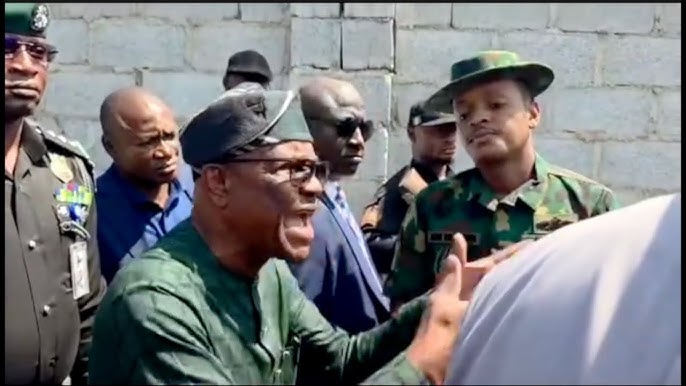
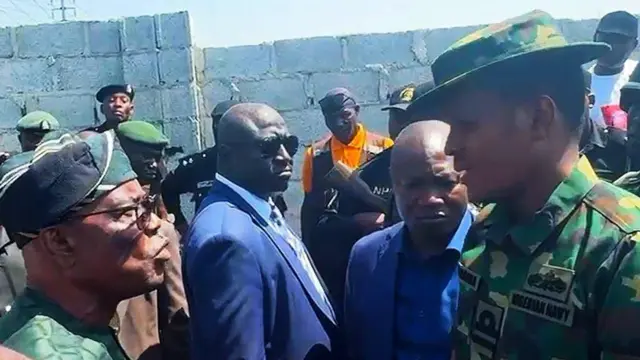
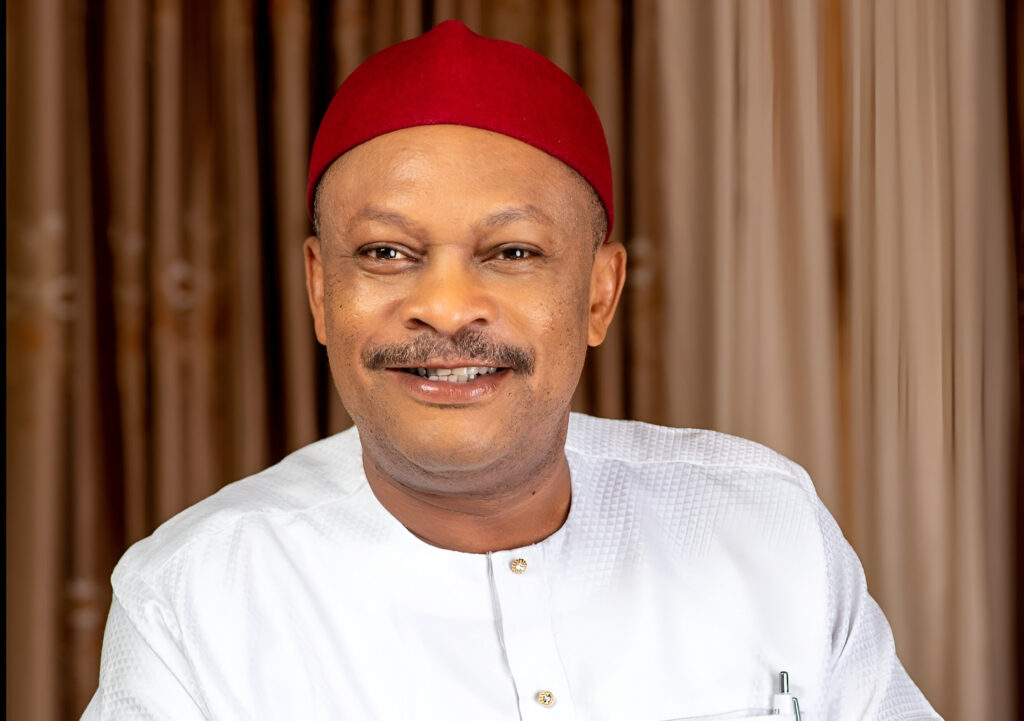
Minister of Works, Senator Dave Umahi, raised the alarm during an inspection of the bridge alongside engineers from the Ministry. He noted that while Julius Berger Nigeria Plc is currently handling structural repairs above water—now about 80 per cent complete—there are deeper, more serious issues beneath the surface.
“We have observed numerous defects on the Carter Bridge. Some of the piers are severely compromised, and the underwater damage is frightening,” Umahi stated.
He explained that previous investigations in 2012 and 2019 had revealed advanced deterioration, including rusted piles, exposed reinforcements, and extensive saltwater damage. “Some piles have even detached from their pile caps,” he added.
According to Umahi, these findings have led the Ministry to engage another firm to conduct further underwater assessments. He said the government is funding the repairs through the national budget and special interventions but stressed the need for a long-term solution.
Due to similar structural concerns, heavy-duty trucks are no longer allowed on the Third Mainland Bridge. The Ministry has invited both local and international companies to submit proposals for repair or reconstruction.
So far, Julius Berger has submitted a proposal for the Carter Bridge, while BuildWell sent in a bid for the Third Mainland Bridge. The proposal for repairing Carter Bridge and its connecting ramps is estimated at over ₦380 billion, while a new cable-stayed bridge could cost around ₦320 billion.
“We’ve not yet reviewed or negotiated the proposals. Once we do, we’ll forward our recommendations to Mr President for a final decision,” Umahi said.
He likened the bridge’s structural problems to “a person with failing legs and hips”, saying cosmetic repairs were no longer sufficient. “We can’t just beautify the face—we must heal the foundation,” he stressed.
Highlighting the importance of public-private partnerships (PPPs), Umahi encouraged credible investors to step in, provided they could show proof of funds. “We won’t cancel a government-funded project unless an investor shows clear capacity to take it over,” he said.
Julius Berger’s South-West Regional Manager, Mr. Thomas Christe, confirmed the company began repairs on the bridge in early 2024, focusing on pile caps and handrails. However, he admitted that the current contract would not be sufficient to address the full extent of the damage.
“Following our investigations, we suggested a full replacement might be more cost-effective. A new bridge could last up to 100 years, and international investors are showing interest in financing it,” Christe added.
He thanked the Federal Government for the opportunity and reaffirmed Julius Berger’s commitment to supporting Nigeria’s infrastructure development.

