










































































































































































































































































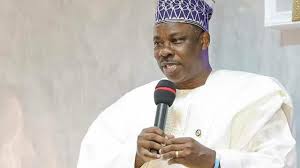





Nigeria Needs Power, Infrastructure or Risks Economic Paralysis


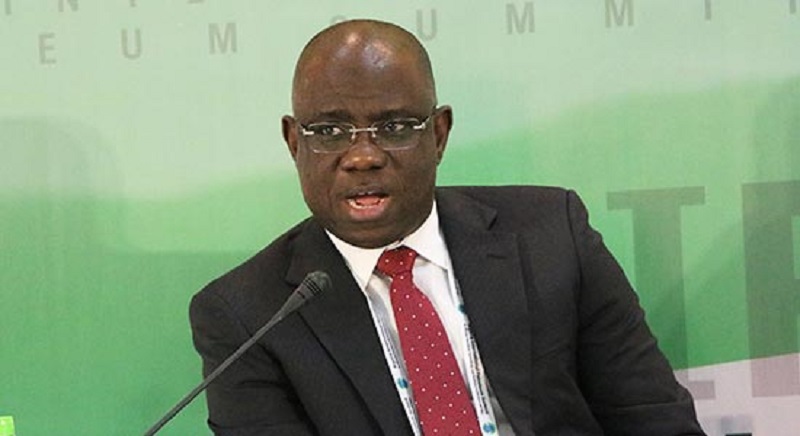
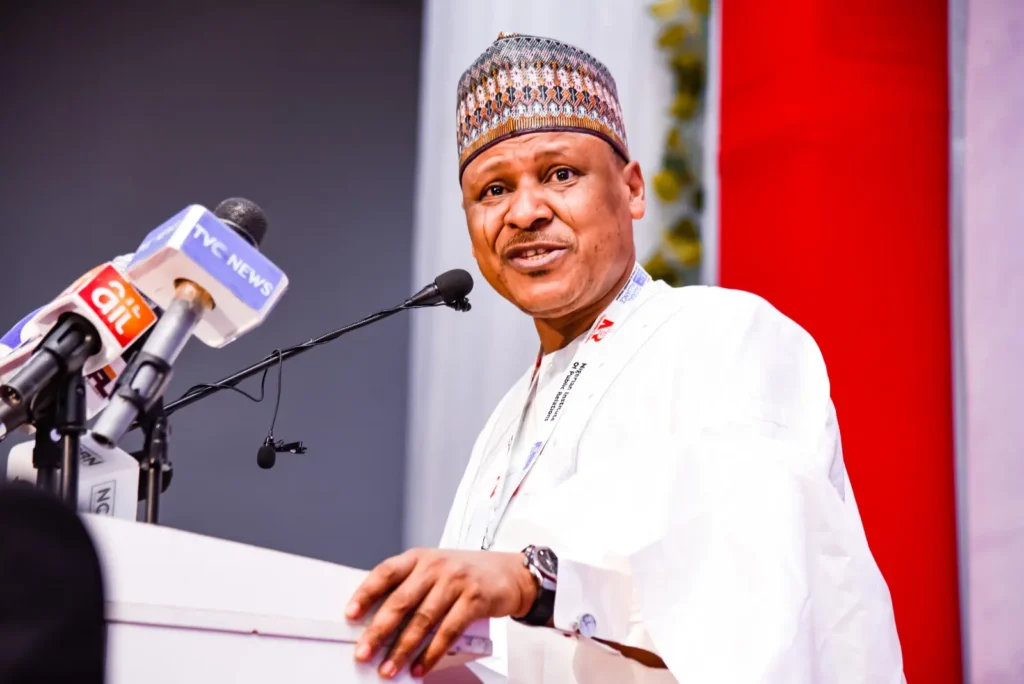
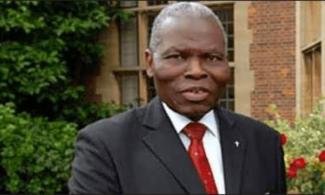
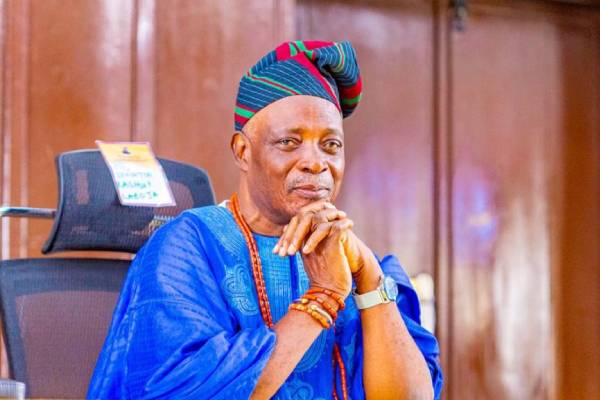
President of the African Development Bank (AfDB), Dr. Akinwumi Adesina, has warned that Nigeria’s economy risks long-term stagnation unless it urgently addresses chronic infrastructure and power sector deficiencies.
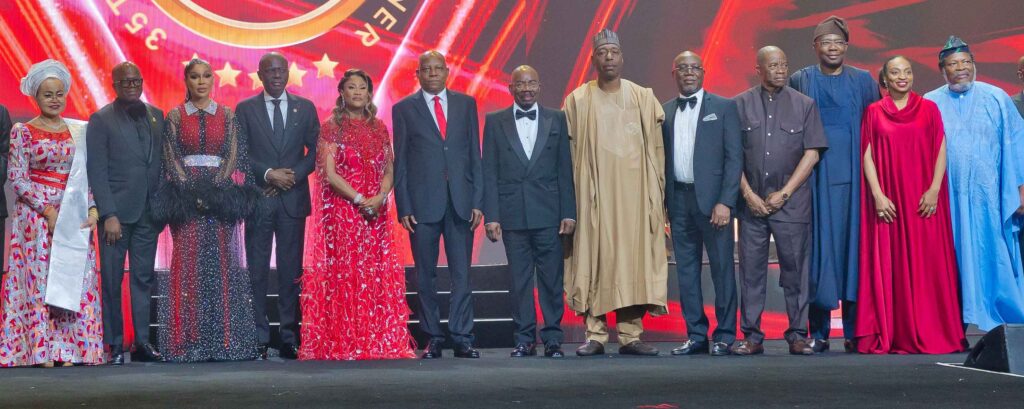
Speaking at the 20th Anniversary Dinner of Chapel Hill Denham in Lagos, Adesina described Nigeria as a nation brimming with potential but hampered by poor policy execution and infrastructural neglect.
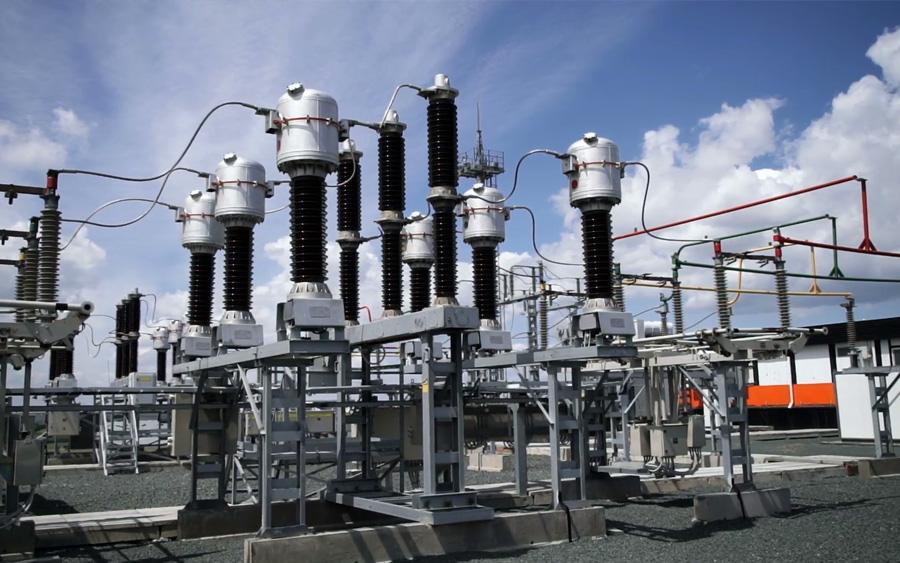
“Without reliable electricity, Nigeria will remain stuck in a cycle of slow growth without transformation. Industrialisation, competitiveness, and mass job creation are impossible without power,” he said.
Highlighting the digital economy as a key growth driver, Adesina stressed that dependable electricity is essential for data centres, artificial intelligence, and cost-efficient business operations.
“The digital economy cannot run on diesel generators. We need a 21st-century grid powered by clean, reliable, and scalable energy. The private sector must drive this energy transition,” he asserted.
He called for regulatory reforms to attract private investment into the energy sector, including cost-reflective tariffs, bankable power purchase agreements, and access to blended finance from institutions like the AfDB and World Bank.
With the launch of “Mission 300” – a joint AfDB and World Bank initiative aimed at connecting 300 million Africans to electricity by 2030 – Adesina urged Nigeria to position itself as a major beneficiary.
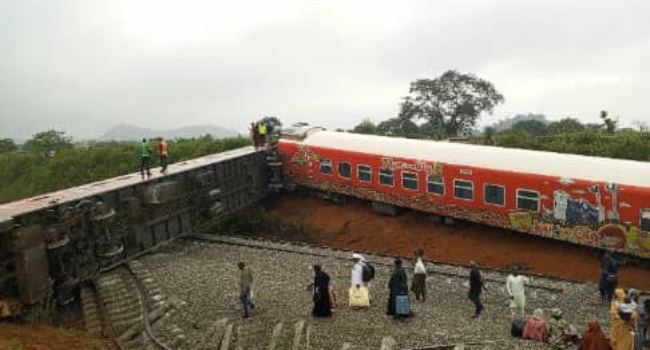
On broader infrastructure, Adesina warned that inadequate transport and logistics networks were hampering Nigeria’s regional competitiveness and industrial capacity.
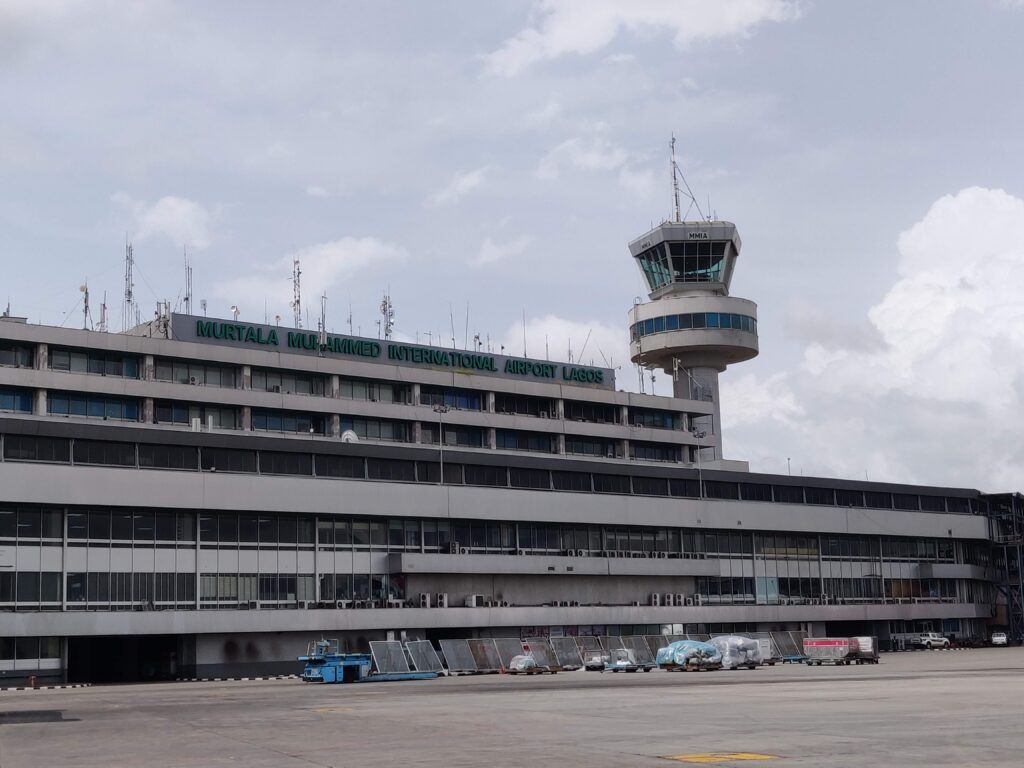
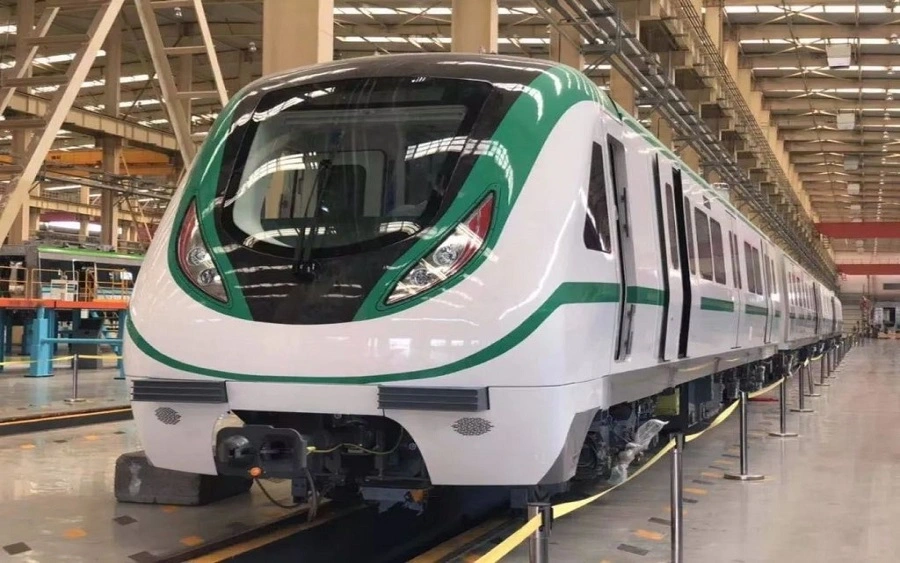
“World-class infrastructure is not optional. Nigeria needs highways, railways, ports, airports, telecoms, and broadband to thrive. No investor will remain in a market where movement of goods is difficult or communication is unreliable,” he stated.
He advocated for innovative financing models and de-risking strategies to make infrastructure projects more attractive to investors, alongside the mobilisation of pension and sovereign wealth funds.
On manufacturing, Adesina lamented Nigeria’s decline, noting that its per capita manufacturing exports stand at $160—far below Vietnam’s $3,600 and Malaysia’s $7,100.
“In the 1980s, Nigeria had promise—we assembled cars, made textiles, and processed produce. That promise has faded. Others seized the opportunity we let slip,” he said.
Adesina urged Nigeria to industrialise by linking raw materials to finished goods and developing industrial zones with a conducive business environment.
He also underscored the need for a knowledge-driven economy backed by strong investments in research, innovation, and higher education, as well as agro-industrial transformation through programmes like the $1.3 billion Special Agro-Industrial Processing Zones (SAPZ).
“These zones will convert rural areas into economic hubs, create millions of jobs for youths and women, and curb rural-to-urban migration,” he said.

